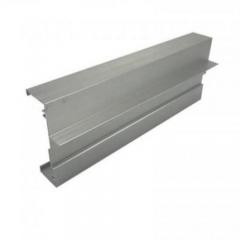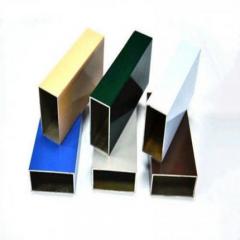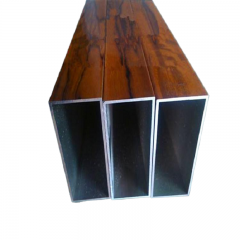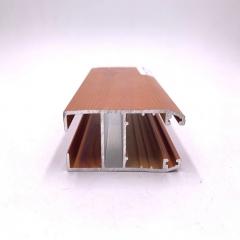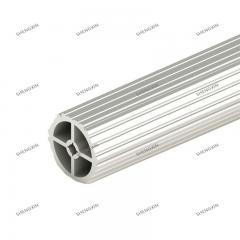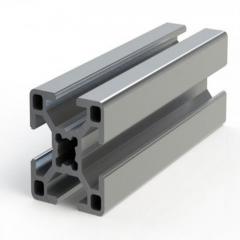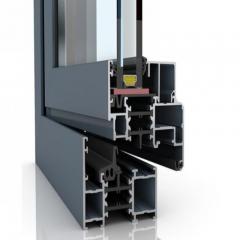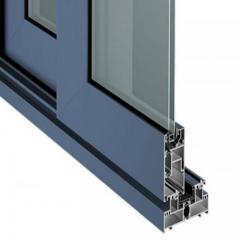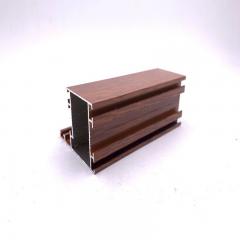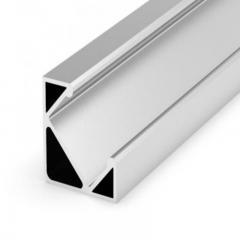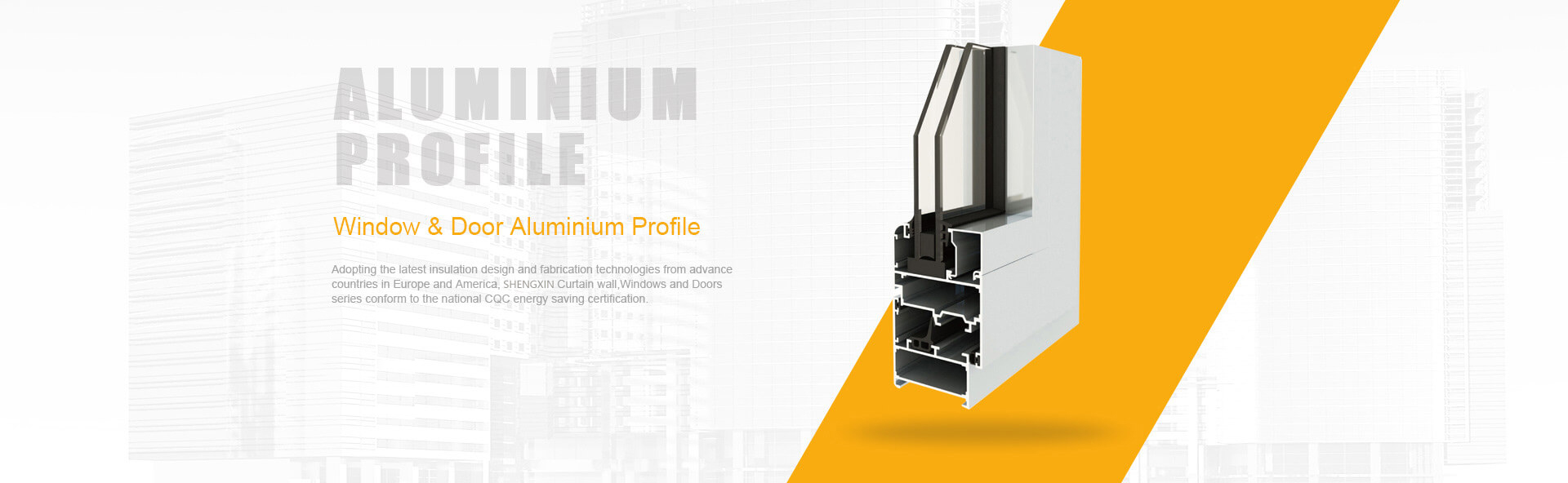
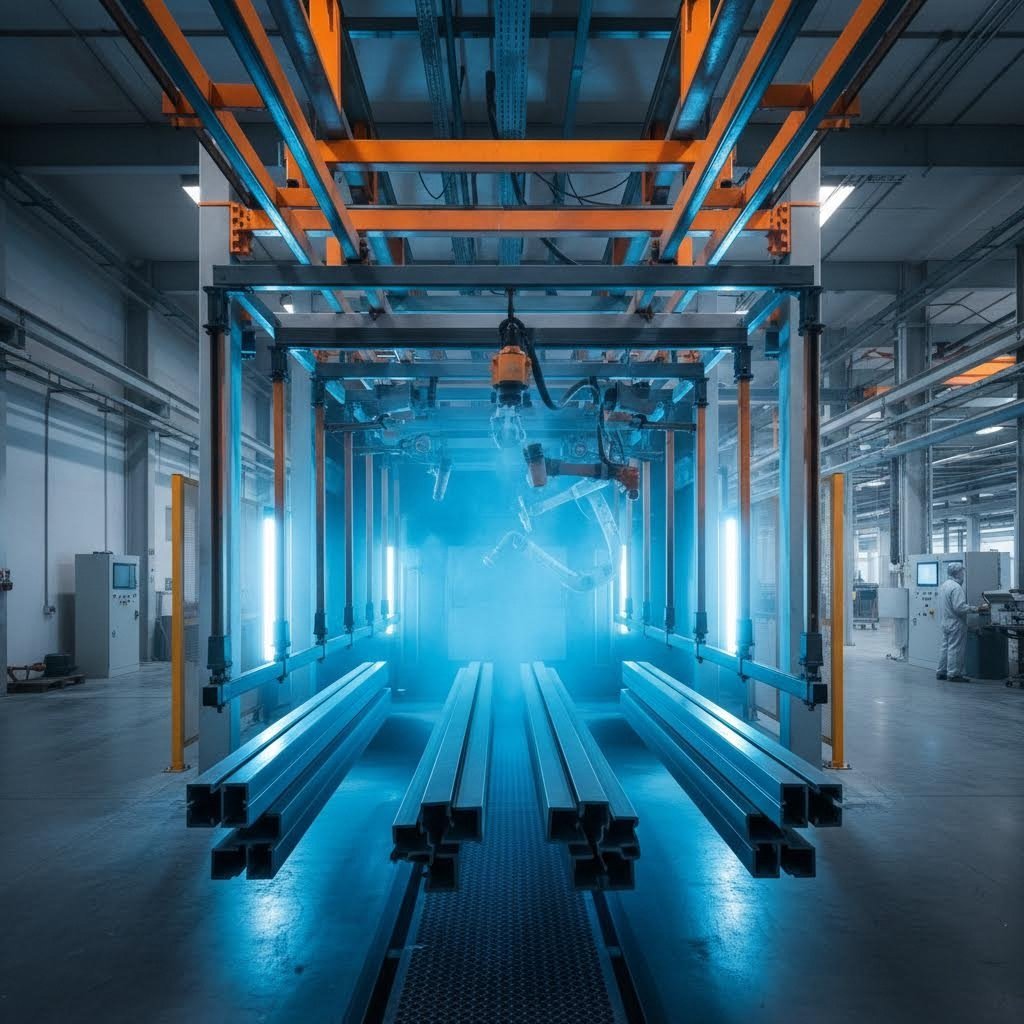
Painting aluminum extrusion is a specialized surface finishing process that serves two essential purposes: protecting the metal from environmental degradation and delivering the precise aesthetic appearance your project demands. Unlike simply grabbing a can of spray paint for aluminium household items, finishing extruded aluminum profiles requires understanding the unique chemistry and geometry involved.
When you think about it, extruded aluminum presents challenges you won't encounter with flat sheets or other metals. These profiles feature complex cross-sections, hollow cavities, varying wall thicknesses, and intricate angles that demand specialized application techniques. Whether you're working with architectural window frames or industrial components, achieving a flawless alu paint finish starts with understanding what makes extrusions different.
Proper surface preparation determines approximately 90% of coating success. Skip a single step, and you're setting the stage for premature peeling, blistering, or adhesion failure down the road.
Here's something many DIY enthusiasts discover the hard way: the techniques that work for flat aluminum sheets often fail miserably on extrusions. Why? The answer lies in how and when coatings are applied.
According to Sherwin-Williams, coil coatings are applied to flat metal sheets before forming, while extrusion coatings are spray applied after the aluminum profile has been formed. This fundamental difference means extrusion finishing must account for three-dimensional geometries that create application challenges:
These factors explain why spray paint for aluminium designed for general use rarely delivers professional results on extruded profiles. Industrial-grade extrusion finishing requires purpose-built equipment and precisely controlled processes.
Imagine trying to stick tape to a dusty surface. That's essentially what happens when you apply paint directly to untreated aluminum. The culprit? A naturally occurring oxide layer that forms within milliseconds when aluminum contacts air.
This oxide layer presents a paradox. On one hand, it provides natural corrosion protection. On the other, as noted by Advanced Technical Products, this stable oxide layer can actually hinder coating adhesion. The thin oxide film that forms naturally offers insufficient bonding characteristics for industrial coatings to grip properly.
Successful painting requires a process called deoxidizing, which removes aluminum oxides through a redox reaction. This step creates a reactive, clean surface that's ready to bond with primers and topcoats. Without it, even the highest-quality paint will eventually fail.
The science gets more complex when you consider that different aluminum alloys behave differently during preparation. An alloy designed for automotive applications may require different prepping methods than one intended for architectural use, according to research from Aluminum Processing Hub.
Throughout this guide, you'll discover how to bridge the gap between basic aluminum painting knowledge and the industrial-grade techniques that deliver lasting, professional finishes. From multi-stage pretreatment processes to coating selection and quality standards, you'll gain the insights needed to ensure your painted aluminum extrusions perform flawlessly for years to come.
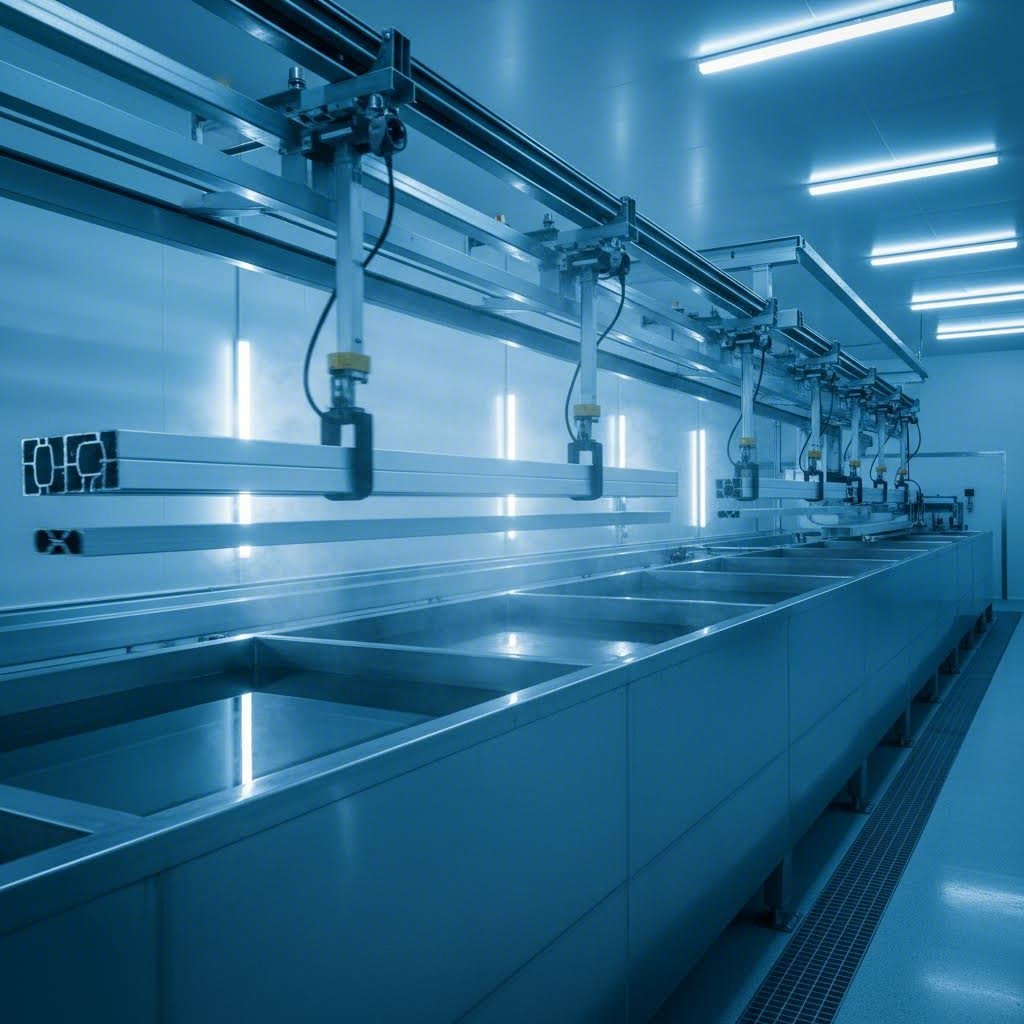
So you've got your aluminum extrusions ready and you're eager to apply that perfect finish. Hold on. Before any paint or powder coat touches your profiles, there's a critical process that will make or break your entire project: pretreatment.
Think of pretreatment like preparing a wall before painting your house. You wouldn't slap paint over dirt, grease, and peeling old coatings, right? The same principle applies here, except the stakes are much higher. With aluminum extrusions, you're dealing with invisible surface contaminants, natural oxide layers, and complex geometries that demand a systematic, chemistry-driven approach.
According to Gabrian International, as soon as your profiles come off the extrusion press, they're exposed to oxygen. That oxygen causes initial oxidation on the surface, creating a greyish colored smut that must be removed. If it isn't, your paint or powder coat will be applied on top of it, causing your coating to come off prematurely.
While different manufacturers may add additional steps based on specific requirements, the core pretreatment process typically follows a multi-stage sequence. Each stage serves a distinct chemical purpose, and skipping even one can compromise your entire finish.
Once your profiles complete this sequence, they must be thoroughly dried. Any moisture remaining on the surface will negatively impact paint or powder coat application.
You might wonder: can I cut corners and skip a step to save time? The short answer is no. Each stage in the pretreatment process addresses specific contaminants and surface conditions that affect long-term coating performance.
Consider what happens when preparation fails:
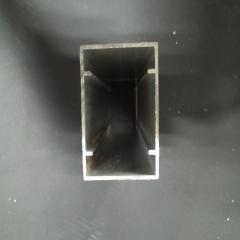
The complexity of painted aluminium extrusion profiles amplifies these challenges significantly. Unlike flat sheet metal, extrusions feature hollow sections that can trap process solutions, varying wall thicknesses that affect chemical reaction rates, and intricate geometries that create hard-to-reach areas.
Hollow sections present particular difficulties because air pockets can prevent solutions from contacting all interior surfaces uniformly. Varying wall thicknesses mean thinner areas may etch faster than thicker sections, creating inconsistent surface preparation. And those tight corners and recessed areas? They require careful racking and positioning to ensure complete solution contact during each stage.
Even the drying stage demands attention. According to industry research, drying temperatures above 160°F can cause a mud-cracking phenomenon in conversion coatings, giving salt spray solutions easy access to unprotected aluminum. Meanwhile, temperatures below 90°F may not allow the newly formed coating to properly coalesce before testing or topcoat application.
The bottom line? Surface preparation isn't just a preliminary step; it's the foundation of your entire coating system. Get it right, and you'll enjoy years of durable, attractive finishes. Rush through it, and you're setting yourself up for costly failures and frustrated customers. With proper pretreatment established, the next critical decision involves selecting the right coating method for your specific application requirements.
Now that your aluminum extrusions have completed proper pretreatment, you face a pivotal decision: which coating technology delivers the performance and appearance your project demands? Two primary methods dominate the industry, each with distinct advantages depending on your application environment, budget constraints, and aesthetic requirements.
Understanding the differences between powder coating and liquid paint systems, particularly PVDF formulations, helps you make informed choices that balance initial costs against long-term performance. Whether you're finishing architectural facade components or custom automotive parts like gtr pedals and sparco seats, selecting the right coating technology impacts everything from durability to environmental compliance.
Both coating methods rely on electrostatic application principles, which work exceptionally well for complex extrusion geometries. Here's how it works: the coating material receives an electrical charge while the grounded aluminum profile attracts the charged particles. This electrostatic attraction pulls coating material around corners, into recesses, and across irregular surfaces that would be difficult to reach with conventional spray methods.
According to Master Craft Finishers, powder coating has emerged over the past two decades as a formidable option for architectural finishes. Advances in powder formulation and pretreatment processes have led to AAMA 2605-certified finishes that now offer warranties of 20 to 30 years, placing powder coatings on par with PVDF paints in terms of durability.
However, the two technologies behave differently during application and curing:
For extrusion profiles with hollow sections and varying wall thicknesses, these differences matter significantly. Hollow areas can trap air during powder application, creating what's known as the Faraday Cage effect. According to Blue Tee Powder, complex shapes with recesses, edges, and internal corners can hinder powder flow, leading to thin spots or poor coverage.
Thin-walled sections present another challenge during curing. When profiles with varying wall thicknesses enter the curing oven, thinner areas heat faster than thicker sections. This differential heating can cause uneven powder flow and film thickness inconsistencies. Liquid coatings generally handle these variations more forgivably since they don't rely on heat-activated flow behavior.
| Factor | Powder Coating | Liquid PVDF Paint |
|---|---|---|
| Durability | Highly impact resistant; AAMA 2605-certified options offer 20-30 year warranties | Superior UV and color stability; over 50 years of proven performance history |
| Color Options | Wide range of colors, textures, and gloss levels from matte to high gloss | Limited to approximately 40-degree maximum gloss; excellent color consistency |
| Cost | Generally lower material and application costs; no primer required | Higher initial cost; requires primer, specialized equipment, and licensed applicators |
| Environmental Impact | Low to zero VOC emissions; overspray can be reclaimed and reused | High VOC content; requires emission controls and solvent management |
| Application Complexity | Single-coat application; lower cure temperatures; broader applicator availability | Multi-layer system requiring primer and topcoat; high cure temperatures (450°F) |
| Repairability | Difficult to touch up or blend damaged areas effectively | Easier field repairs and touch-ups; incorrectly coated parts can be corrected |
| Minimum Orders | Larger quantities typically required for custom color matching | Smaller minimum orders for custom colors; more flexible batch sizing |
Sounds complex? Let's simplify the decision. Your application environment largely dictates which coating technology makes sense.
According to Prance Building, PVDF coatings are the industry standard for long-life exterior cladding and high-exposure interiors in coastal or high-UV locations. The fluoropolymer chemistry maintains color and gloss far longer than standard powder coats while resisting staining from pollution and salty air.
Choose PVDF when your project involves:
Choose powder coating when you're working with:
The sustainability angle deserves special attention. Powder coatings produce virtually no volatile organic compound emissions during application, making them increasingly attractive as environmental regulations tighten globally. Any overspray can be collected and reused rather than becoming hazardous waste. This matters whether you're finishing components for a porsche 997 restoration or large-scale architectural projects.
PVDF paints, while offering superior weathering performance, contain solvents that release VOCs during application and curing. Facilities applying PVDF must invest in emission control equipment and comply with stringent air quality regulations. However, research from Master Craft Finishers notes that PVDF's proven half-century track record and superior environmental stability keep it relevant despite these concerns.
Recent developments are blurring traditional boundaries between these technologies. AkzoNobel's introduction of 30-year warranties on powder coatings demonstrates that powder can now contend with PVDF's historical durability advantages. Meanwhile, gtr pedals and other precision automotive components increasingly specify powder coating for its impact resistance and finish versatility.
For manufacturers serving diverse markets, from xxr wheels and aftermarket automotive accessories to commercial building systems, the ability to offer both coating technologies provides maximum flexibility. Understanding when each technology excels ensures your finished extrusions meet performance expectations regardless of their final application environment. With coating selection addressed, the next consideration involves understanding the quality standards and specifications that govern these finishing systems.

You've selected your coating technology and completed proper pretreatment. But how do you know your finished extrusions will actually perform as expected? This is where industry standards become your performance tuning toolkit, providing measurable benchmarks that separate professional-grade finishes from disappointing failures.
Quality standards aren't just bureaucratic paperwork. They represent decades of real-world testing data that predict how coatings behave under environmental stress. Understanding these specifications helps you communicate effectively with finishing partners, set realistic expectations for project performance, and avoid costly disputes over what constitutes an acceptable finish.
The American Architectural Manufacturers Association, now known as FGIA (Fenestration and Glazing Industry Alliance), defines the most widely referenced standards for painted aluminum extrusions in North America. According to Aegis Finishing, AAMA 2603, 2604, and 2605 outline performance requirements for organic coatings on architectural aluminum extrusions and panels, ensuring they can stand up to wind, rain, sun, and corrosive environments.
Think of these three specifications as tiers on a durability ladder. Each step up demands more rigorous testing and delivers longer-lasting performance:
| Specification | Weathering Exposure | Color Retention | Gloss Retention | Erosion Resistance |
|---|---|---|---|---|
| AAMA 2603 | 1 year (South Florida) | Slight change permitted | No specification | No specification |
| AAMA 2604 | 5 years (South Florida) | Delta E less than 5 | Greater than 30% retention | Less than 10% loss |
| AAMA 2605 | 10 years (South Florida) | Delta E less than 5 | Greater than 50% retention | Less than 10% loss |
Here's what these numbers mean in practical terms. Delta E measures color change on a scale where values below 1 are imperceptible to the human eye, while values above 5 become noticeable. Both AAMA 2604 and 2605 require coatings to maintain color within that 5-unit threshold, but 2605 demands this performance over twice the exposure period.
Gloss retention matters because coatings that chalk or dull appear aged regardless of their color stability. AAMA 2605's requirement for 50% gloss retention after 10 years ensures your building facade maintains its intended appearance throughout its service life.
Which specification should you choose? The answer depends on application visibility and accessibility. While AAMA 2605 holds the highest performance ranking, AAMA 2604 is often most suitable for ground-level applications within reach of passersby. The enhanced durability of 2604 coatings better handles physical contact and minor abrasion that high-rise facades never experience.
Specifications only matter if you can verify compliance. Several standardized testing methods evaluate coating performance, ranging from simple field techniques to sophisticated laboratory procedures.
According to DeFelsko, adhesion testing establishes whether coatings are properly bonded to substrates. The most common methods include:
When documenting test results, it's critical to record the nature of the fracture. Was the failure adhesive (coating separated from substrate), cohesive (coating itself fractured), or glue failure (test adhesive separated)? Each failure mode indicates different underlying issues with coating application or substrate preparation.
Beyond adhesion, comprehensive quality programs monitor multiple checkpoints throughout the finishing process:
Different applications demand different specification levels, and over-specifying wastes money while under-specifying creates premature failures.
Architectural facades on commercial buildings typically require AAMA 2604 or 2605 specifications. These exterior applications face constant UV exposure, temperature cycling, and environmental pollutants. According to Sino Extrud, for outdoor parts exposed to rain, humidity, UV, or salt air, poor coating specification means early failure that damages appearance and exposes bare metal to corrosion.
Industrial components operating in protected environments may only need AAMA 2603 compliance. Interior machinery housings, electrical enclosures, and similar applications face minimal weathering stress. Specifying 2605-level performance for these uses adds cost without meaningful benefit.
The relationship between coating thickness, cure temperature, and long-term performance deserves careful attention. Thicker coatings generally provide better protection, but excessive thickness can cause problems. According to industry guidance, coating that's too thick may crack during thermal expansion or fail to cure completely through its depth.
Cure temperature must match both the coating chemistry and aluminum alloy. Under-curing yields soft, chalky coatings that chip easily and provide inadequate protection. Over-curing can affect aluminum temper properties, potentially compromising the structural characteristics you need. For back support in demanding applications, proper cure verification becomes essential rather than optional.
International markets reference additional specifications. European projects often specify Qualicoat or GSB certification, which include their own pretreatment, film thickness, and performance requirements. For projects requiring gripat or similar specialized performance characteristics, consult with your finishing partner about appropriate testing protocols beyond standard AAMA requirements.
Quality specifications provide the framework for consistent, predictable coating performance. However, achieving those specifications on complex extrusion profiles introduces unique challenges that require specialized expertise and equipment, which we'll explore next.
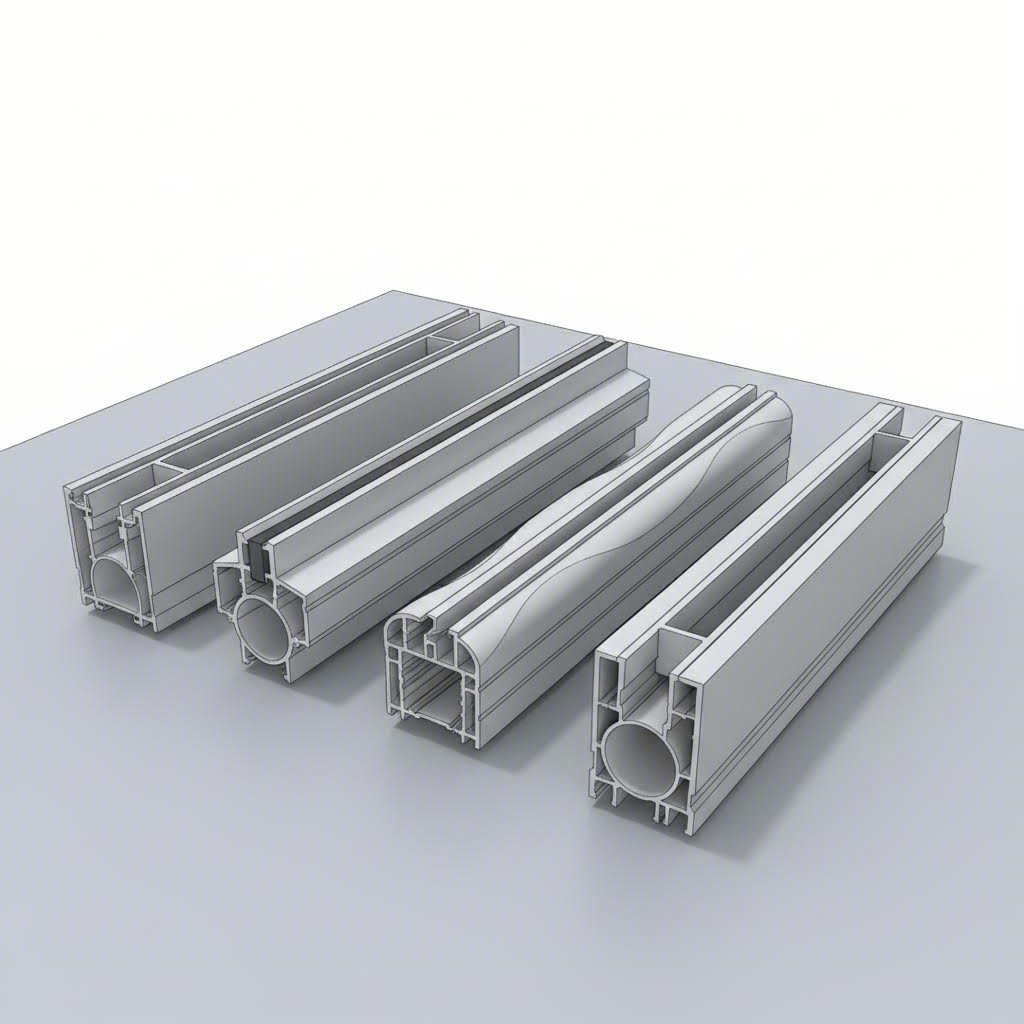
You've got your pretreatment dialed in and your coating technology selected. But here's where things get interesting: not all aluminum extrusion profiles behave the same way during finishing. That architectural window frame with its hollow thermal break chamber? It presents completely different challenges than a solid decorative trim piece or a complex heat sink with dozens of thin fins.
Understanding these profile-specific challenges separates successful finishing operations from those plagued by callbacks, rejected batches, and frustrated customers. Whether you're finishing components for cars porsche 993 restorations or industrial machinery housings, the geometry of your extrusion directly impacts coating success.
Imagine trying to spray paint the inside of a drinking straw. That's essentially the challenge hollow extrusion sections present. Air trapped inside cavities creates what engineers call the Faraday Cage effect, where electrostatic charges concentrate on exterior surfaces while interior areas receive little to no coating material.
According to FreiLacke, one of the most common challenges in powder coating aluminum is ensuring an even coating on complex geometries. Hollow sections amplify this difficulty because:
How do experienced finishers address these issues? Several techniques help overcome hollow section challenges:
Here's something that surprises many newcomers to extrusion finishing: wall thickness variations create invisible quality problems during curing. When a profile with both 2mm and 6mm wall sections enters a 400°F curing oven, those sections heat at dramatically different rates.
Think about what happens. Thin sections reach cure temperature quickly, allowing powder to melt, flow, and begin crosslinking. Meanwhile, thicker sections remain cooler, keeping the powder in a partially melted state. By the time thick sections finally reach temperature, thin areas may be over-cured, yellowed, or brittle.
This differential heating creates several quality concerns:
Managing these thermal challenges requires careful process control. Finishers working with complex profiles typically use temperature profiling equipment to map actual metal temperatures throughout the cure cycle. This data allows them to adjust line speeds, oven zone temperatures, and part positioning to achieve uniform cure across varying wall thicknesses.
For profiles destined for demanding applications, specifying similar wall thicknesses during the design phase prevents these issues entirely. When design constraints require thickness variations, communication between designers and finishers early in development helps identify potential problems before production begins.
The cheapest porsche to restore isn't necessarily the one with the lowest purchase price. It's the one designed for easy maintenance and repair. The same principle applies to aluminum extrusion design: profiles engineered with finishing in mind cost less to coat and deliver better results.
Consider these design factors when developing new extrusion profiles:
Just as selecting the right direct drive wheel matters for racing simulation performance, choosing appropriate profile geometry matters for coating performance. Extrusion-specific expertise becomes invaluable here because experienced finishers can identify potential problems during design review rather than after expensive tooling has been produced.
FreiLacke notes that these challenges can be overcome through targeted pre-treatment, the use of advanced application techniques, and regular quality checks. Best practices also include selecting the right powder and adjusting the curing conditions based on specific profile characteristics.
The investment in proper design consultation and specialized finishing expertise pays dividends throughout the product lifecycle. Profiles designed for paintability require fewer touch-ups, experience lower rejection rates, and deliver more consistent appearance across production runs. Understanding these profile-specific factors prepares you for realistic discussions about project timelines and costs with potential finishing partners.
So you've designed your profile for paintability and selected the right coating technology. Now comes the question every project manager asks: how long will this take, and what will it cost? The answers depend on variables that interact in ways that can either streamline your project or create unexpected delays.
Understanding realistic timeline expectations helps you plan production schedules, coordinate with downstream operations, and avoid the frustration of missed deadlines. Equally important, grasping the full cost picture ensures you're comparing apples to apples when evaluating finishing partners.
When you're planning a painted aluminum extrusion project, several interconnected factors determine how quickly your finished profiles arrive. Think of these as links in a chain where each one affects the overall timeline.
Die and Tooling Lead Time: Before any finishing begins, you need extrusions. According to Gabrian International, normal tool turnaround time is 3-4 weeks, and production follows within a week of sample approval. Complex geometries requiring intricate die designs may extend this window.
Batch Size Impact: Smaller orders often wait longer because finishing lines batch similar colors and specifications together for efficiency. Your 500-piece order might wait until enough compatible work accumulates to justify a production run, while a 10,000-piece order commands immediate scheduling priority.
Color Complexity: Standard colors from a finisher's existing inventory process faster than custom color matches. Custom colors require formulation, approval samples, and potentially minimum batch quantities before production begins. Specialty finishes like metallics, textures, or multi-coat systems add additional steps and cure cycles.
Pretreatment Requirements: Different aluminum alloys and application environments demand different pretreatment protocols. Military-grade specifications or coastal environment applications may require additional conversion coating steps or extended quality holds that extend processing time.
Quality Inspection Protocols: Architectural projects requiring AAMA certification involve documented inspection checkpoints throughout the process. Each inspection point adds time but prevents costly problems from reaching your job site. High-specification projects may require third-party testing that introduces external scheduling dependencies.
| Timeline Factor | Impact on Schedule | How to Minimize Delays |
|---|---|---|
| Custom Die Development | 3-4 weeks typical; complex profiles may extend | Finalize designs early; consider existing die libraries |
| Small Batch Orders | May wait for batching with similar work | Align colors with finisher's standard palette |
| Custom Color Matching | Adds formulation and approval cycles | Provide physical samples; approve digitally when possible |
| Specialty Pretreatment | Additional processing stages required | Specify requirements upfront; avoid last-minute changes |
| Certification Testing | Third-party scheduling dependencies | Build testing windows into project timeline from start |
Here's a reality check: rushing painted aluminum extrusion projects almost always backfires. Expedited schedules compress the time available for proper pretreatment, adequate cure cycles, and thorough quality inspection. The result? Higher rejection rates, touch-up requirements, and ultimately longer overall project timelines.
According to Production Paint Finishers, your paint coater should offer great turnaround time alongside quality. Getting your parts in on time is important, but knowing they can offer expedited shipping for emergencies proves valuable for future needs.
What separates finishers who successfully deliver quickly from those who sacrifice quality for speed? Several operational factors make the difference:
When evaluating painted aluminum extrusion costs, looking only at the per-piece price misses critical factors that affect your total investment. A complete cost analysis considers setup charges, volume pricing structures, and the long-term implications of coating quality.
Die and Tooling Costs: According to Gabrian International, tool costs for extrusion dies in normal architectural and industrial applications range from $400 to $1,000. Large parts requiring 2,000-4,000 ton presses could see tooling costs as high as $2,000. Some manufacturers refund tool costs if stipulated purchase volumes are met within two years, and most don't charge for replacement tools after their useful life if orders continue.
Surface Finishing Costs: Coating expenses add meaningfully to your per-unit costs. Gabrian reports that anodizing and powder coating vary from $1,200 to $1,400 per metric ton depending on profile complexity. Alodine finishing runs approximately $800 per metric ton, while specialty finishes like wood-look treatments cost significantly more based on surface characteristics.
Volume Pricing Benefits: As with many manufactured items, buying painted aluminum extrusions in bulk leads to lower per-unit costs. Basic die and tooling expenses remain similar between small and large orders, so spreading these fixed costs across more pieces reduces your per-unit investment. This is where successfully planning production volumes pays dividends.
Total Cost of Ownership Perspective: The cheapest coating option upfront rarely delivers the lowest total cost over a product's lifecycle. Consider an assignement comparing AAMA 2603 versus AAMA 2605 specifications:
For architectural applications where recoating means scaffolding, building access coordination, and extended disruption, the premium for higher-specification coatings pays for itself many times over.
Material Cost Volatility: Raw aluminum pricing represents the biggest variable in extrusion cost forecasting. Gabrian notes that aluminum has varied anywhere from $1,500 to $3,500 per metric ton in recent years, influenced by global demand, geopolitical events, and environmental regulations affecting major producers. For projects with extended timelines, discussing metal purchasing strategies with your extrusion partner can help stabilize costs.
Shipping Considerations: International sourcing offers cost advantages but introduces shipping variables. Container costs from Asia to North America have ranged from $8,000 to $20,000 for 40-foot containers, driven by political uncertainty and trade conditions. Despite these fluctuations, shorter lead times and lower production costs in regions like India often justify international sourcing for many customers.
The key to managing painted aluminum extrusion costs lies in clear communication with your finishing partner about specifications, volumes, and timelines. Rushing decisions or changing specifications mid-project invariably increases costs while reducing quality. With realistic timeline and cost expectations established, the next consideration involves understanding how to maximize the lifespan of your coating investment through proper maintenance practices.
Your painted aluminum extrusions have arrived, installed beautifully, and look fantastic. But here's something many project managers overlook: the coating's journey has just begun. Understanding the complete lifecycle of your finish, from initial inspection through decades of service, ensures your investment delivers lasting value rather than premature disappointment.
Think of your coating like the paint on an old porsche 911. With proper care, it maintains that showroom appearance for decades. Neglect it, and environmental exposure quickly degrades what started as a flawless finish. The same principles apply to painted aluminum extrusions, whether they're architectural facades or industrial components.
According to JM Aluminium, routine cleaning is the first step toward keeping powder-coated aluminum looking its best and lasting longest. Accumulation of dirt, dust, and environmental contaminants will collect on surfaces, and without action, the finish becomes dull or damaged over time.
Environmental factors dramatically influence how aggressively you need to maintain your coatings. Different application environments demand different maintenance approaches:
What should you avoid during maintenance? According to Sino Extrud, acid or alkaline cleaners, solvents, and corrosive materials should never be used on powder-coated surfaces. These substances deteriorate coatings and cause fading, discoloration, or premature flaking. Stick to neutral or pH-balanced cleaning agents.
Regular inspection complements cleaning. Examine surfaces for chipping, scratching, or cracking that could expose bare aluminum to corrosion. Much like checking a helmet visor for damage before use, catching coating damage early prevents small problems from becoming major failures.
Even perfectly maintained coatings eventually reach the end of their service life. Environmental exposure, mechanical wear, and simple aging all contribute to coating degradation. Knowing when recoating becomes necessary, and understanding your options, helps you plan for this eventuality.
Expected service life varies dramatically based on initial coating selection and environmental exposure. According to Sino Extrud, powder coating on aluminum can last anywhere from 5 to 30 years. Fluorocarbon coatings offer the longest lifespan, especially in harsh environments, while standard polyester coatings are better suited for moderate conditions.
Several signs indicate recoating time approaches:
Recoating involves more than simply applying new paint over old. According to JM Aluminium, professional recoating services typically remove the old coating, clean the surface thoroughly, and then apply a new high-quality powder coating layer. This process revitalizes both appearance and functionality while strengthening durability against elements like UV rays, moisture, and salt.
Here's the economic reality: proper initial coating selection dramatically reduces long-term costs. Choosing an AAMA 2605-specification fluoropolymer coating for an architectural facade costs more upfront than basic AAMA 2603 polyester. However, when that premium coating delivers 25-30 years of service versus 5-7 years, the total cost of ownership calculation shifts dramatically in favor of the higher specification.
The blue in cars often fades faster than other colors due to pigment sensitivity. Similarly, certain coating colors and chemistries perform differently under environmental stress. Discussing your specific application environment with finishing partners during initial specification helps ensure the coating you select delivers the service life your project requires.
By approaching your painted aluminum extrusions as long-term assets requiring lifecycle management rather than one-time purchases, you maximize return on your finishing investment while maintaining the appearance and protection your project demands.
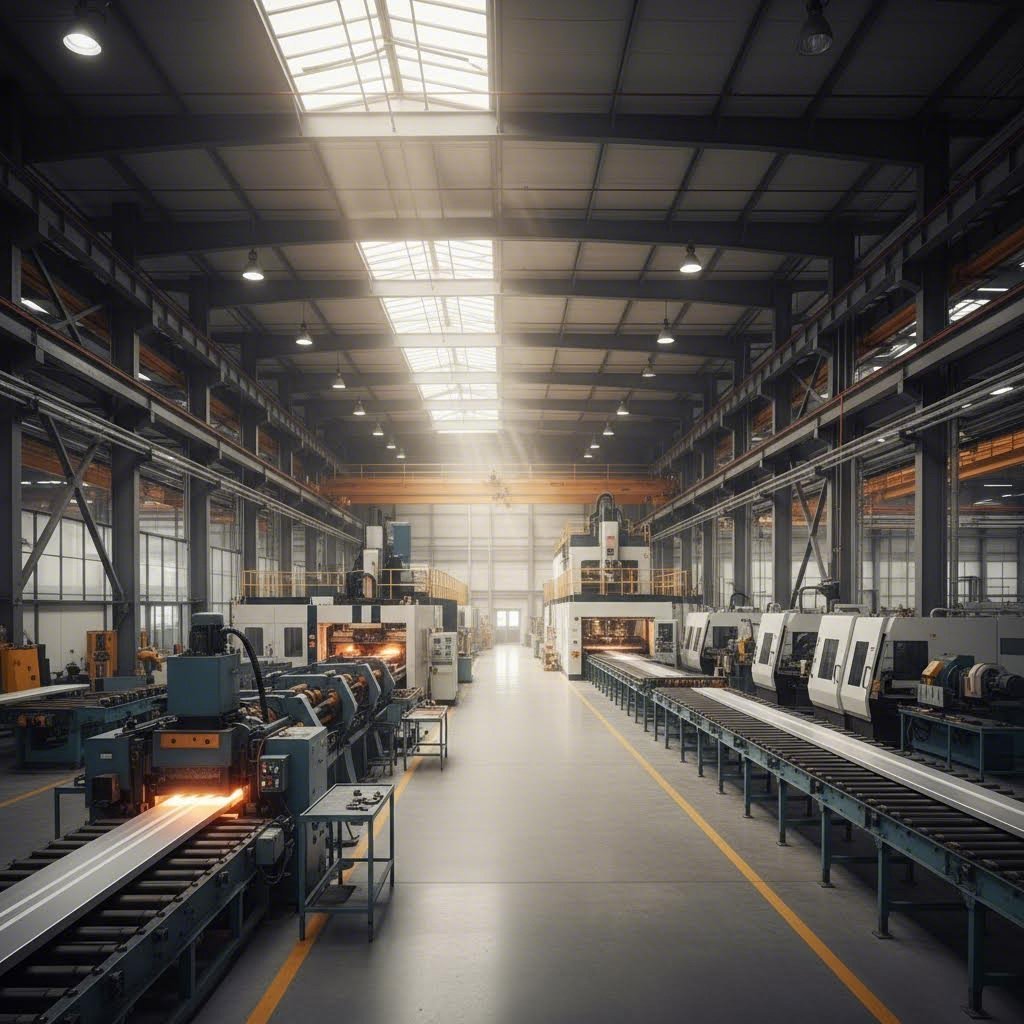
You've learned the science behind pretreatment, compared coating technologies, and understand quality specifications. Now comes perhaps the most consequential decision: who will actually transform your aluminum extrusions from raw metal into flawlessly finished components? Choosing the wrong finishing partner leads to missed deadlines, quality disputes, and costly rework. Choosing the right one? That's where your project gains a competitive edge.
Think about it this way. Just as sim racing enthusiasts obsess over finding the perfect sol assetto corsa lighting settings to achieve realistic visuals, manufacturers need partners who obsess over every finishing detail. The difference between acceptable and exceptional often comes down to equipment capabilities, process expertise, and genuine commitment to quality outcomes.
Not all finishing operations are created equal. When evaluating potential partners, you need to look beyond basic pricing quotes and examine the infrastructure, certifications, and technical depth that determine whether your project succeeds or struggles.
According to ALLWIN Hardware, collaborating with the manufacturer early in the design stage helps avoid tooling issues and ensures a more cost-effective, high-performing extrusion. This principle extends to finishing partnerships, where early engagement prevents costly surprises later.
What specific capabilities separate professional finishing operations from basic job shops? Consider these evaluation criteria when selecting your partner:
The chevrolet camaro 2025 represents automotive engineering excellence because every component works together seamlessly. Similarly, your finishing partner should integrate smoothly with your design and production processes rather than operating as an isolated afterthought.
Here's where vertically integrated suppliers offer distinct advantages. When die design, extrusion, fabrication, and finishing happen under coordinated management, problems get solved faster and quality improves across the entire production chain.
According to Silver City Aluminum, the earlier we can get involved in the design process with our clients, the better the final product will be. This integration philosophy extends from initial engineering through final finishing, with each step informing the next.
Consider what happens when extrusion and finishing operate as separate entities. Your extrusion supplier ships profiles to a third-party finisher who has never seen your design specifications. That finisher discovers hollow sections that trap pretreatment solutions, but it's too late to modify tooling. The result? Compromised quality, finger-pointing between vendors, and you stuck in the middle.
Integrated suppliers eliminate these coordination failures. When Shengxin Aluminium's technical team reviews a custom profile design, they evaluate it simultaneously for extrusion feasibility and finishing requirements. Their state-of-the-art CNC machining centers handle precise cutting, drilling, and bending to exact specifications before profiles ever reach finishing lines. This integrated approach catches potential problems during design review rather than during production.
What does end-to-end support actually look like in practice?
Much like configuring a sparco steering wheel and triple monitor setup for optimal racing simulation performance, selecting finishing partners requires matching capabilities to your specific requirements. The cheapest quote rarely delivers the best value when quality problems, delays, or communication failures consume the apparent savings.
The sol assetto corsa weather system creates immersive racing environments through attention to countless small details. Similarly, exceptional finishing partners differentiate themselves through process refinements that accumulate into measurably better outcomes. When evaluating potential partners, look beyond equipment lists and ask about their approach to continuous improvement, employee training, and customer communication.
For projects requiring custom aluminum extrusion with integrated finishing services, partnering with manufacturers who control the complete production chain from die development through surface treatment delivers consistency, accountability, and value that fragmented supply chains simply cannot match. Your painted aluminum extrusions represent the visible face of your products and projects. Choose partners whose commitment to quality matches your own.
Yes, extruded aluminum can be successfully painted using specialized techniques. However, unlike flat sheets, extrusions require multi-stage pretreatment including degreasing, chemical etching, and conversion coating to ensure proper adhesion. The complex geometries of extrusions, including hollow sections and varying wall thicknesses, demand professional-grade equipment and precisely controlled processes. Both powder coating and liquid PVDF paints are effective options, with each offering distinct advantages depending on your application environment and durability requirements.
The most critical mistakes include skipping proper surface preparation, which determines approximately 90% of coating success. Other common errors are incomplete cleaning that leaves organic residues, inadequate deoxidizing that fails to remove the natural aluminum oxide layer, using the wrong primer or skipping it entirely, and applying incompatible paints. For extrusions specifically, failing to account for hollow sections that trap air during coating, differential heating in varying wall thicknesses during curing, and improper racking techniques also lead to premature coating failures.
These AAMA specifications represent three tiers of coating durability for architectural aluminum. AAMA 2603 requires only 1 year of South Florida weathering exposure and suits interior applications. AAMA 2604 demands 5 years of exposure with color retention (Delta E less than 5) and 30% gloss retention, ideal for ground-level exterior applications. AAMA 2605 is the premium tier requiring 10 years of exposure with 50% gloss retention, designed for high-visibility architectural facades where long-term performance justifies higher initial costs.
Powder coating on aluminum extrusions typically lasts between 5 and 30 years depending on coating specification, application environment, and maintenance practices. AAMA 2605-certified powder coatings now offer 20-30 year warranties comparable to PVDF paints. Coastal environments with salt spray exposure accelerate degradation, while protected interior applications extend coating life. Regular cleaning every 6-12 months using mild detergent and avoiding harsh chemicals helps maximize coating longevity throughout its service life.
Your choice depends primarily on application environment and budget. Choose PVDF for exterior architectural facades, coastal locations, high-UV exposure areas, and projects requiring guaranteed long-term color stability with proven 50+ year performance history. Choose powder coating for interior applications, projects prioritizing environmental sustainability with zero VOC emissions, designs requiring specialty textures or high-gloss finishes, and budget-conscious projects. Powder coating generally costs less and offers easier application, while PVDF provides superior weathering resistance but requires specialized equipment and licensed applicators.



 Onlineservice
 0086 136 3563 2360
 sales@sxalu.com
 +86 136 3563 2360
 Deutsch
 English
 français
 русский
 español
 português
 العربية
 ไทย
ไทย Việt
Việt Українська