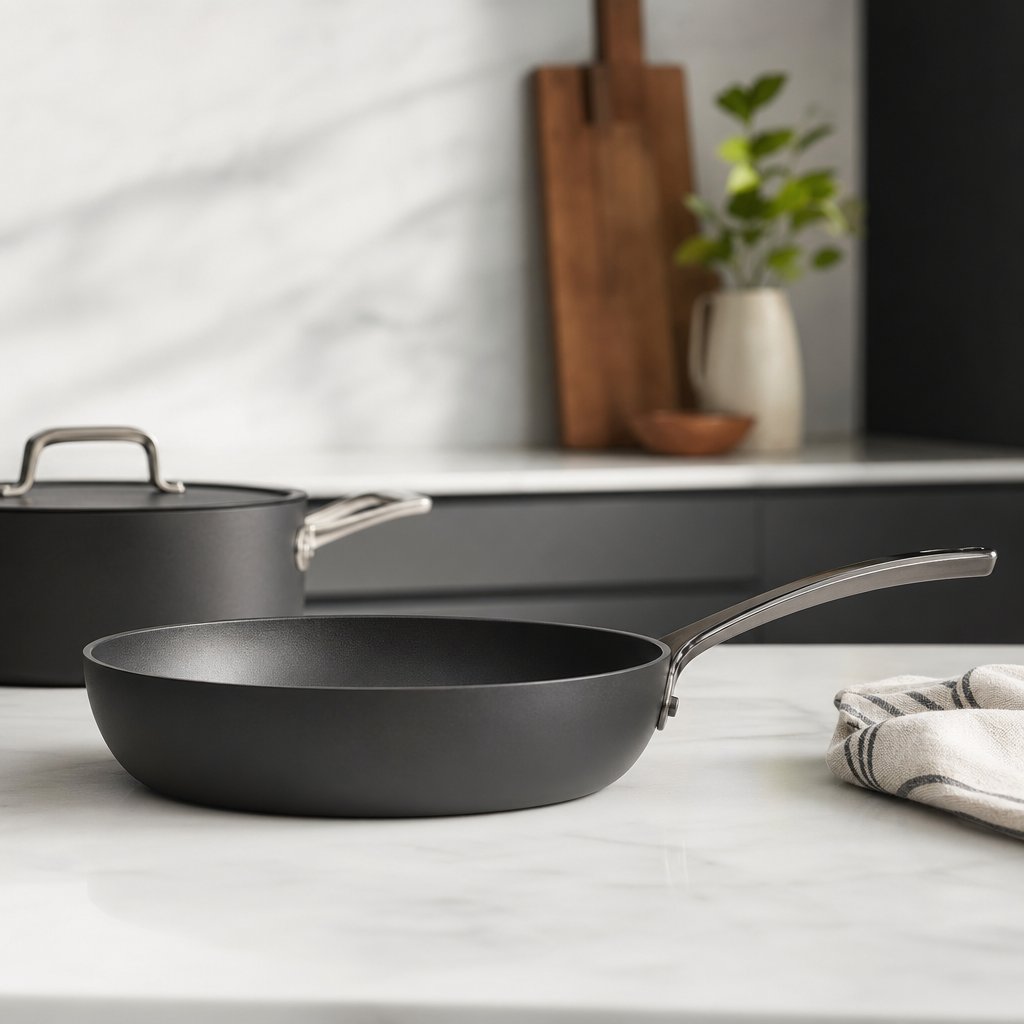
If you are asking is anodized aluminum safe, the short answer is usually yes for normal household use when the surface is intact. Most concern centers on bare aluminum, older cookware, or pieces that are scratched, pitted, warped, or otherwise visibly worn. In plain terms, the finish changes the risk picture.
Intact anodized aluminum is generally considered low risk for everyday cooking and food contact. Bare or damaged aluminum deserves more caution, especially with acidic or salty foods and repeated wear.
This is a qualified yes, not a blanket promise that every pan is identical. A Martha Stewart expert review notes that coated or anodized aluminum is generally considered safe, while damaged pans can increase leaching concerns. So, is anodized aluminum cookware safe? For ordinary use, most guidance treats it as a lower-risk choice than bare aluminum, provided the surface remains in good condition.
If you are wondering what is anodized aluminum, think of it as aluminum with a specially built-up surface layer that makes it more durable and less reactive than raw metal. That surface is the real reason the answer is different.
A helpful way to read safety claims comes from NPIC: hazard is the potential to cause harm, while risk depends on actual exposure. That distinction matters here.
That is why reassuring answers and cautionary answers can both be true at once. The missing piece is not the metal alone, but what anodizing does to its surface.
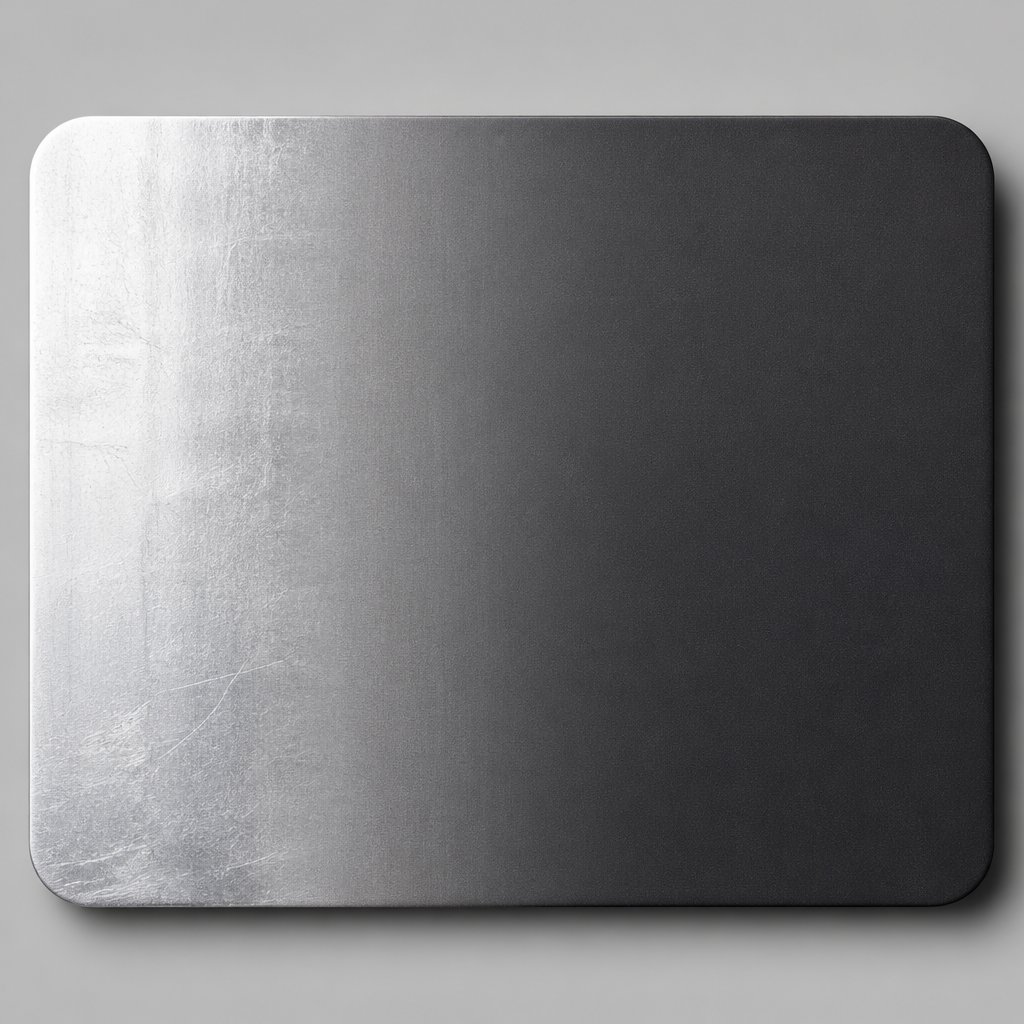
Raw aluminum already forms a very thin oxide layer when it meets air. What changes the safety conversation is that Xometry describes anodizing aluminum as an electrolytic process that makes that oxide layer thicker and more structured. In simple terms, the metal gets a tougher outer skin. That matters because questions about toxicity are really questions about surface contact, reactivity, and how much bare metal is exposed during normal use.
The oxide layer sits at the center of this issue for a reason. A sealed anodized aluminum finish is not just coated like paint. The anodic layer is chemically bonded to the base metal, which helps explain why anodic aluminum usually behaves differently from untreated aluminum in everyday settings.
For consumers, the key takeaway is practical: the process makes aluminum more wear-resistant, more corrosion-resistant, and generally less reactive at the surface. For industrial buyers, the details go deeper, including alloy choice, coating thickness, pore structure, and how well the surface is sealed.
That sealing step is easy to overlook, but it helps explain why not all anodized surfaces perform the same way. A well-made anodic aluminum surface is meant to reduce direct exposure of the underlying metal.
Standard anodized and hard anodized aluminum use the same basic idea, but hard anodizing builds a thicker, tougher surface. Xometry lists Type II sulfuric anodizing at about 5.1 to 30.5 microns, while Type III hard coat anodizing is usually about 12.7 to 50.8 microns. eHow likewise describes hard anodized aluminum as thicker and more abrasion-resistant, often above 25 microns.
That is the plain-English reason the finish changes the answer. Still, surface science alone is not the whole story. Safety claims make more sense when you look at how toxicity is actually evaluated, including migration, exposure, and what regulators and studies are really measuring.
Surface chemistry matters, but toxicology asks a tougher question: what actually moves into food, and in what amount? That is why simple yes-or-no claims often miss the point. For anodized aluminum cookware, the strongest evidence separates inherent hazard, measured migration, and realistic exposure during normal use.
A material can have toxic potential without creating the same level of everyday risk in the kitchen. A PubMed review on aluminum migration notes that the European Food Safety Authority set a tolerable weekly intake of 1 mg/kg body weight for aluminum, and that this limit can be exceeded in some cases depending on the food and the food-contact item. That framing is useful because it shifts the question from "Is aluminum hazardous at all?" to "How much is released, under which conditions, and how often?"
A separate cookware leaching study found that acidic conditions and longer heating increased metal release from both anodized and non-anodized aluminum cookware, while neutral water caused much less leaching under the study conditions. Just as important, that paper examined locally made cookware with contamination issues, showing that manufacturing quality can change the safety picture as much as the base material itself.
| Concern | What evidence typically evaluates | Practical takeaway |
|---|---|---|
| Lab hazard | Whether aluminum or contaminant metals can cause harm at sufficient dose | Hazard alone does not tell you what reaches your food |
| Migration or leaching | How much metal moves into acidic, alkaline, or neutral food during contact and heating | Food type, time, and temperature matter |
| Normal-use exposure | How repeated real-world use compares with intake guidance such as the EFSA TWI | Risk depends on dose over time, not headlines |
| Product quality | Alloy purity, contamination, and surface condition | Poorly made cookware can behave very differently from better-made pieces |
Consumer regulation uses that same food-contact lens. The FDA food-contact page is framed around substances that come into contact with food, which mirrors how risk is judged in practice: by contact, migration, and exposure, not by the metal name alone.
So, is hard anodized aluminum cookware safe? The cautious answer is that hard anodized aluminum cookware is not judged by the label alone. Intact surfaces generally present a different exposure scenario than bare, heavily worn, or contaminated cookware. That is why the next layer of the discussion is less about abstract toxicity and more about real cooking situations, especially acidic foods and repeated heat.
At the stove, the question stops being abstract and gets practical fast. What matters most is what touches the food, for how long, and whether the surface is still in good shape. Guidance from Health Canada says anodized aluminum cookware reduces the transfer of aluminum into foods, particularly acidic foods like tomatoes and rhubarb. That is why an intact anodized surface is usually treated differently from bare aluminum in day-to-day cooking.
For an intact anodized aluminum pan or anodized aluminum saucepan, normal food contact is generally viewed as the lower-risk case. The concern is not heat alone. It is heat plus time plus food chemistry plus surface wear. A 2023 PMC study also found more leaching under acidic conditions and with longer heating, while neutral water caused much less under the study conditions. That paper looked at locally made cookware with contamination issues, so the broad lesson is not that every pan behaves the same. It is that product quality and surface condition can change the real-world outcome.
Key rule: intact anodized surfaces are generally the lower-risk case for food contact. Scratched, worn, or pitted surfaces deserve more caution, especially with acidic or salty foods.
If you cook tomato-based meals often, an intact hard-anodized piece is generally a more sensible choice than raw aluminum. Experts cited by Martha Stewart note that repeated use, high heat, and acidic foods can gradually degrade a vessel's surface. In other words, the finish helps, but it is not a lifetime shield.
For routine sauteing or quick weeknight cooking, exposure concerns are usually lower because contact time is shorter and the food is often less reactive. In oven use, anodized aluminum bakeware follows the same basic logic. It conducts heat well, and the anodized surface is more durable and less reactive than bare aluminum. The practical caveat is simple. If a pan, sheet, or pot no longer has a sound surface, do not treat it as if the protective barrier is still fully doing its job.
That is where many people stop asking about materials in general and start looking closely at scratches, worn spots, and whether a favorite piece is still worth keeping.
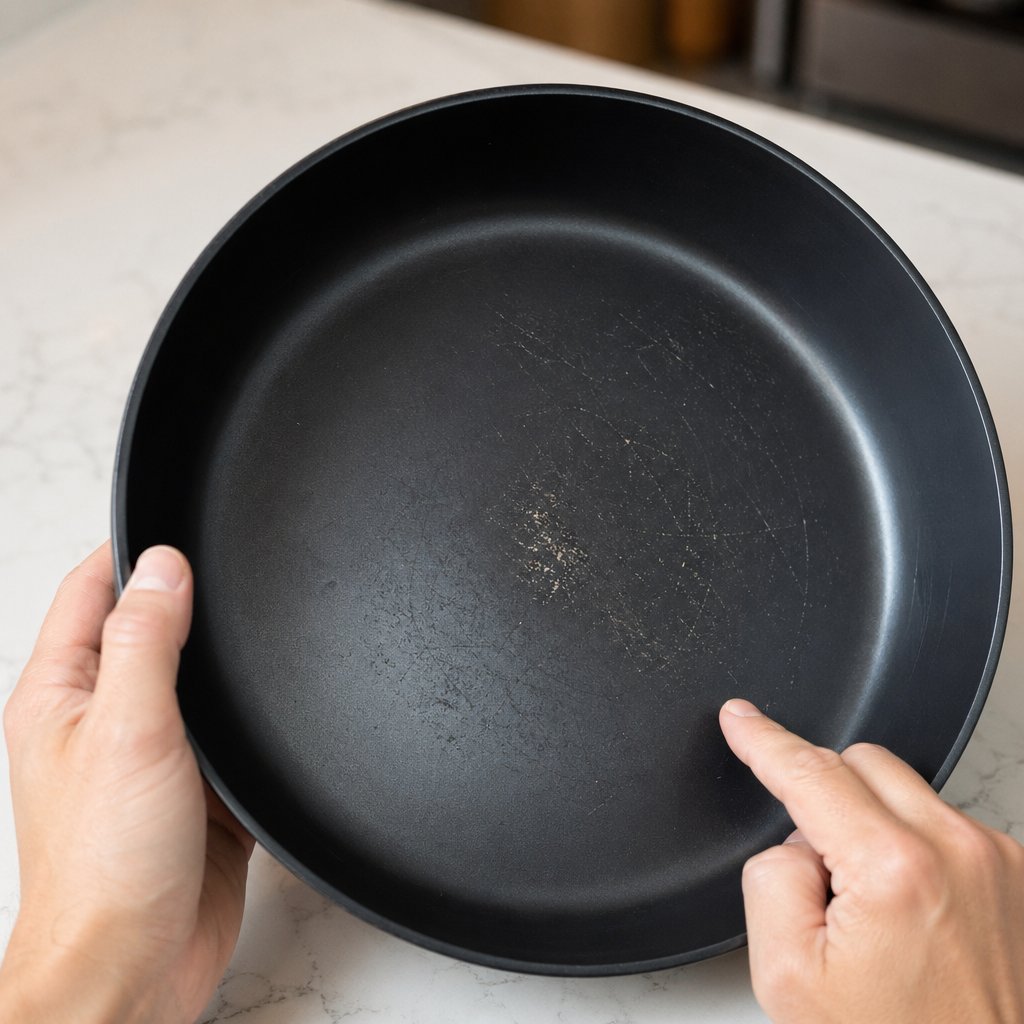
For many readers, this is the point where the safety question gets real. A pan can seem fine for years, then one deep gouge or patch of wear suddenly makes you wonder if it still belongs in the kitchen. That concern is justified. The protection comes from the anodized surface itself, so visible damage matters more than the original marketing label. HRCCNC notes that if the anodized layer develops large scratches, peeling, pits, or other degradation, the bare aluminum core may become exposed to food. That does not automatically mean one meal becomes dangerous, but it does mean the surface should no longer be treated as fully protected.
Once the finish is chipped, pitted, or worn through, the discussion shifts from everyday reassurance to practical caution. Performance often changes first. Food may stick more easily, discoloration may become harder to remove, and acidic cooking becomes less forgiving. Safety questions follow because worn areas can allow more direct food contact with the metal underneath. A light cosmetic scuff is not the same as a deep groove, but broad wear, flaking, or visible base metal is a strong sign that the original barrier is no longer doing its full job.
This is also where searches like how to polish anodized aluminum can be misleading in a cookware context. Machining Custom warns that over-polishing or abrasive methods can thin the anodized layer. In other words, polishing may help the look of some anodized parts, but it is not a dependable fix for cookware with a compromised protective surface.
People also ask, does anodized aluminum rust. In practice, the more useful question is whether the surface is still resisting wear and corrosion as intended. When that confidence is gone, replacement often makes more sense than rescue work. And that naturally pushes the conversation toward a broader comparison of materials, because not every kitchen needs the same balance of reactivity, durability, and upkeep.
When a pan starts to show wear, most people stop asking a general safety question and start comparing materials. That is the right move. In practice, the better choice depends on surface reactivity, heat behavior, upkeep, and how you cook most often. In an anodized aluminum vs aluminum comparison, the biggest difference is surface chemistry. Raw aluminum is reactive, while anodizing creates a harder, more stable barrier when the finish stays intact, as explained by PreHealing.
Bare aluminum is light and an excellent heat conductor, but it is also the most reactive option in this group. That matters most with acidic foods. Standard anodized aluminum keeps much of aluminum's quick, even heating, but the oxide layer makes the cooking surface less reactive. Hard-anodized aluminum takes that a step further with a tougher surface. The everyday catch is simple: many pieces of hard anodized aluminum nonstick cookware also have a PTFE or ceramic topcoat, and that extra layer often becomes the first part to wear.
| Material | Surface behavior | Upkeep | Durability | Practical tradeoff |
|---|---|---|---|---|
| Bare aluminum | Fast heating, very reactive with acidic foods | Needs more caution with food choice and wear | Decent metal durability, but surface is least forgiving | Best for users prioritizing low weight and heat speed, not acidic simmering |
| Anodized aluminum | Less reactive surface, still light and quick to heat | Gentle cleaning helps preserve the finish | More durable than raw aluminum | Good everyday balance of speed, weight, and lower reactivity |
| Hard-anodized aluminum | Tougher anodized surface, often paired with nonstick | Hand washing and non-metal utensils are usually safest | Very hard surface, but total lifespan may depend on the coating | Great for easy daily cooking, less ideal for rough treatment or broiler use |
| Stainless steel | Non-reactive, handles high heat well, forms fond for sauces | Needs technique to reduce sticking, cleanup can take more effort | Very durable and scratch-resistant | Excellent for searing, browning, deglazing, and long-term use |
| Cast iron, especially enameled | Even heating with strong heat retention, not truly nonstick | Heavier to handle, finish should be treated with care | Strong and long-lasting | Well suited to braises, stews, oven cooking, and slower meals |
| Ceramic-coated cookware | Easy food release, gentle cooking feel | Avoid prolonged high heat to protect the coating | Usually less durable than stainless or enameled cast iron | Good for eggs, fish, and quick low- to medium-heat cooking |
| PTFE nonstick | Very easy release, often applied over aluminum | Needs gentle utensils and moderate heat | Convenient, but coating can wear over time | Best for delicate foods and fast cleanup, not for repeated high-heat abuse |
For high-heat searing, pan sauces, and long service life, stainless steel is often the steady choice. de Buyer describes it as non-reactive, durable, and especially good for browning and deglazing, though it does ask for better technique. If easy release matters more than crust or fond, ceramic-coated and PTFE nonstick pans feel simpler in daily use, but both are better matched to gentler heat. For slower cooking, heat retention, and oven work, cast iron stands apart. The clearest comparison point from Caraway is enameled cast iron, which holds heat well and handles acidic dishes better than many people expect, but its weight can be a real drawback.
That is why the anodized aluminum vs stainless steel question rarely has one universal winner. The better answer depends on cooking habits, tolerance for maintenance, and how much surface wear you are willing to manage. And inside any one category, finish quality still matters, which is where manufacturing control starts to matter as much as the material name itself.
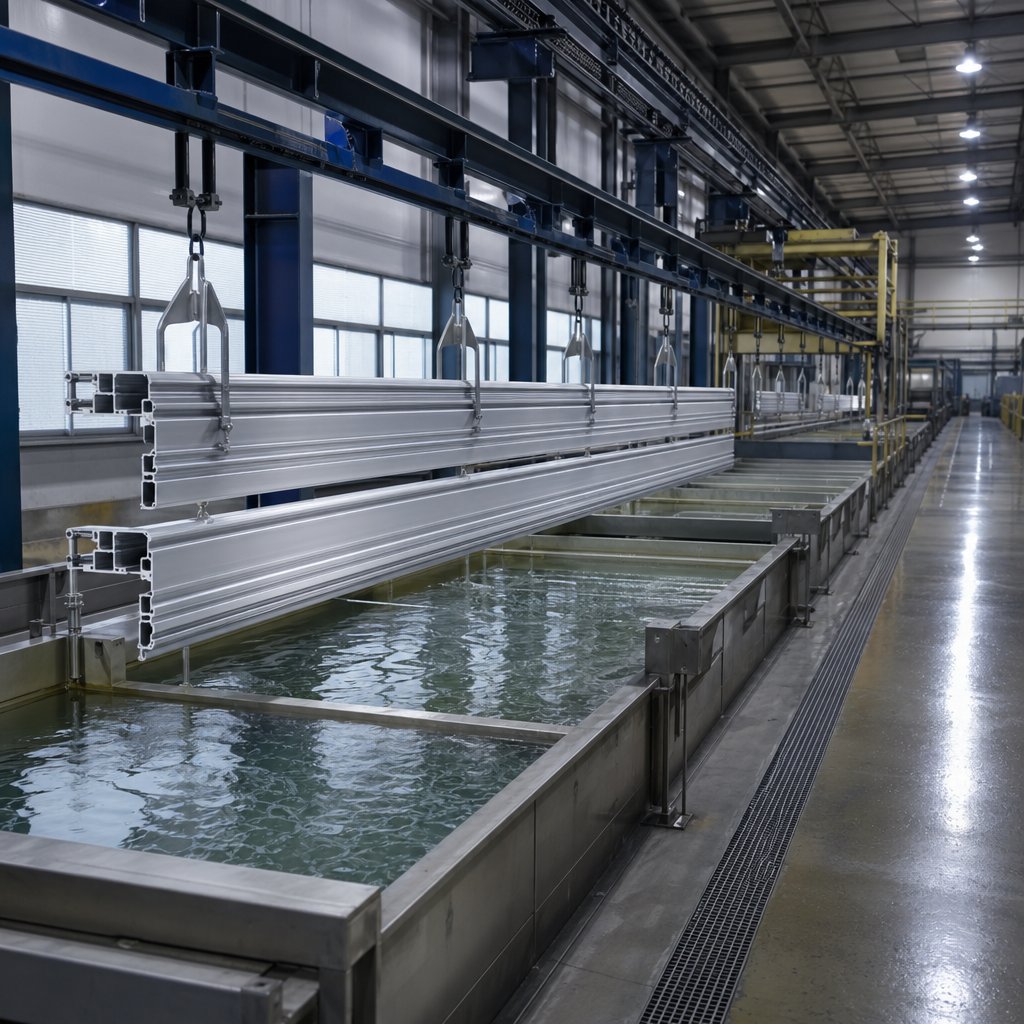
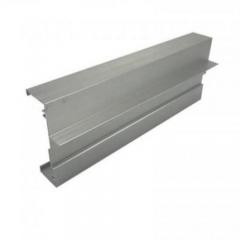
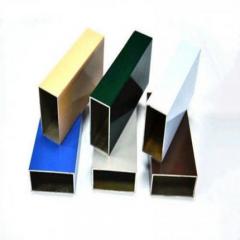
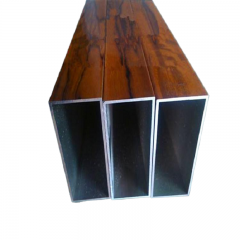
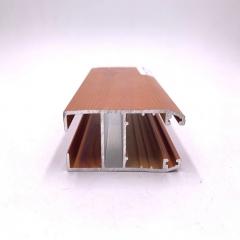
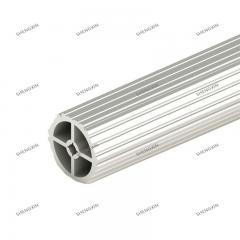
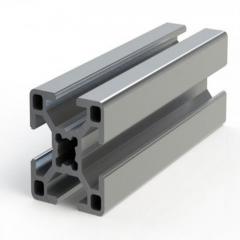
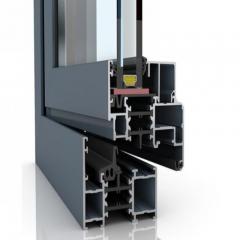
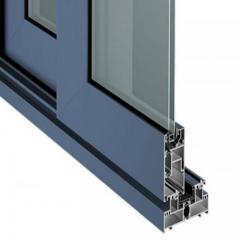
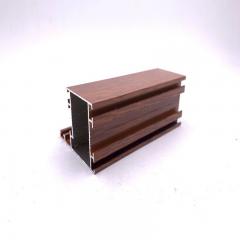
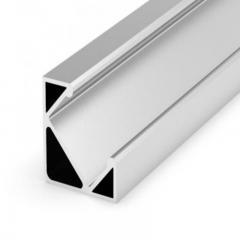
In industrial work, the finish name alone does not tell you much. What really shapes durability, surface stability, and real-world risk is how the oxide layer is produced and controlled. Guidance from Products Finishing notes that different aluminum alloys respond differently to anodizing, and that steady monitoring is needed to hold coating thickness, color consistency, and surface finish. It also stresses that proper sealing closes the pores and improves corrosion resistance and durability. That matters whether a buyer is sourcing anodized aluminum extrusions for equipment, anodized aluminum sheet for enclosures, or anodized aluminum sheet metal for architectural use.
For industrial aluminum anodizing, a good supplier conversation should focus on fit-for-use, not just price per pound. A decorative finish for anodized aluminum trim may need different performance than anodized aluminum tubing exposed to abrasion, weather, or repeated handling. A separate seal process review from Products Finishing also notes that sealing is considered the most important anodizing step because it determines how the anodic oxide performs in service, and that some hard anodized parts may even be left unsealed or only partly sealed for specific bonding or lubrication needs.
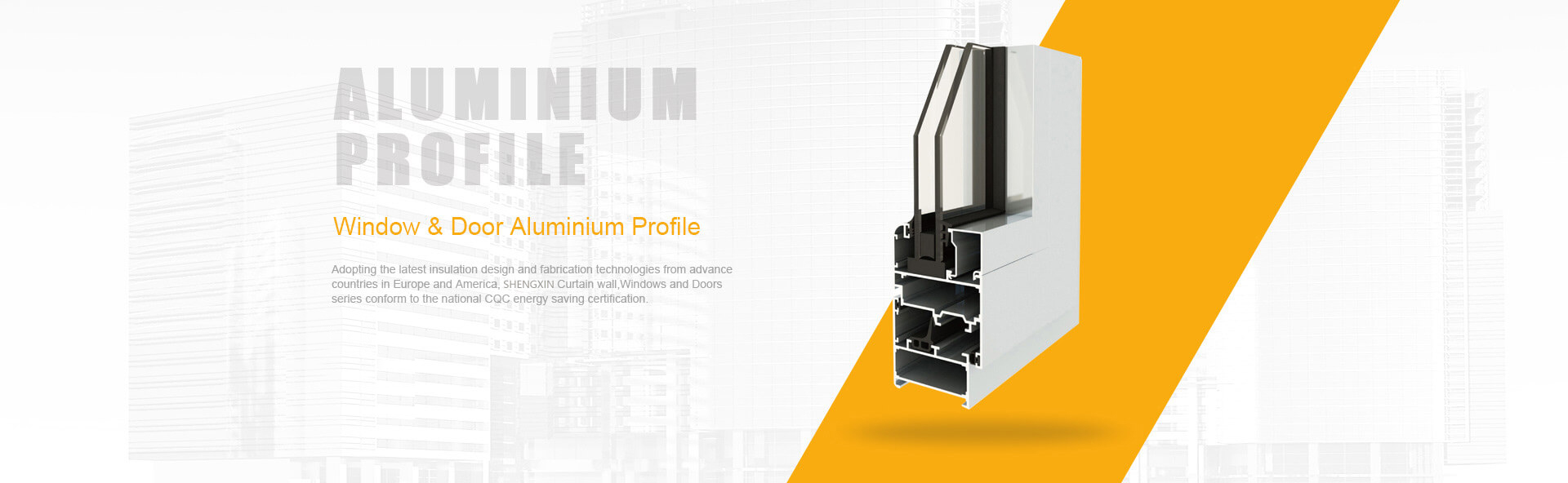
When extrusion, pretreatment, aluminum anodizing, sealing, and inspection are coordinated under one roof, there is usually less room for variation between batches. It does not guarantee perfection, but it can make it easier to match the process to the alloy and the end use. As one example, Shengxin Aluminium describes over 30 years of manufacturing experience, 35 extrusion machines, in-house anodizing lines, customized solutions, and technical support from design to delivery. For buyers comparing industrial sources, that kind of integrated control is relevant because the oxide layer only performs as well as the process behind it.
That sourcing lens is useful, but most readers still need a simpler answer in the end: is this material the right match for how it will actually be used, maintained, and replaced over time?
For home cooks, the finish question becomes a simple kitchen question: does this material match how you actually cook? Guidance from Health Canada says anodized aluminum reduces the transfer of aluminum into food and specifically advises against cooking or storing food in scratched or worn anodized cookware. Food & Wine also describes hard-anodized cookware as durable, easy to clean, and generally considered a food-safe option when used as intended. That makes the material a sensible fit for many kitchens, but not every kitchen.
If you want lighter cookware than cast iron and faster heat response than many heavier materials, this surface often lands in a sweet spot. A hard anodized aluminum cookware set can be especially appealing when you want matching pieces that feel consistent from skillet to saucepan.
The fit changes if you cook very hard on your pans or expect one purchase to last through years of rough treatment. Food & Wine notes that hard-anodized cookware does not share the same lifespan as stainless steel or cast iron, and frequent dishwashing can shorten its useful life.
The practical takeaway is modest, not dramatic. If the surface is intact and you use it as directed, anodized cookware is often a reasonable choice. If it is visibly degraded, replace it rather than stretching its life. Consumer readers should follow the manufacturer care instructions and retire worn pieces. Commercial or engineering readers comparing custom profiles can review Shengxin Aluminium for a process-focused look at anodized oxidation capabilities.
In normal household use, intact anodized aluminum is generally treated as a low-risk food-contact surface. The bigger concern is not the name alone, but the condition of the surface. If the finish is deeply scratched, chipped, pitted, peeling, or worn through, the protective barrier is no longer doing the same job, so more caution makes sense.
For most everyday cooking, hard anodized aluminum cookware is commonly viewed as a safer and less reactive option than bare aluminum because the oxide layer is thicker and more durable. That said, safe use still depends on care habits. Gentle cleaning, non-metal utensils when recommended, and replacing damaged pieces matter more than the marketing label on the box.
Leaching risk is tied to food chemistry, heating time, and surface wear. Acidic or salty foods, such as tomato-based dishes or vinegar-heavy recipes, can increase metal transfer compared with neutral foods, but an intact anodized surface is meant to reduce that transfer relative to bare aluminum. The key takeaway is practical: short, routine cooking on a sound surface is a different exposure situation than long heating in a worn pan.
Start by checking whether the mark is a light cosmetic scuff or a deeper damaged area. If you see flaking, pits, exposed base metal, or broad worn patches, it is smarter to replace the cookware than try to restore it. Avoid abrasive scrubbing, sanding, or aggressive attempts to polish the surface, because that can remove even more of the protective anodized layer.
Yes. Surface durability depends on alloy choice, process control, sealing, and consistency, which is why two anodized products can perform very differently over time. For industrial applications such as anodized aluminum extrusions, trim, or tubing, buyers should ask about in-house anodizing, inspection standards, and technical support. Suppliers like Shengxin Aluminium emphasize integrated extrusion and anodizing capabilities because finish quality is closely tied to how the process is controlled from design to delivery.



 Onlineservice
 0086 136 3563 2360
 sales@sxalu.com
 +86 136 3563 2360
 Deutsch
 English
 français
 русский
 español
 português
 العربية
 ไทย
ไทย Việt
Việt Українська