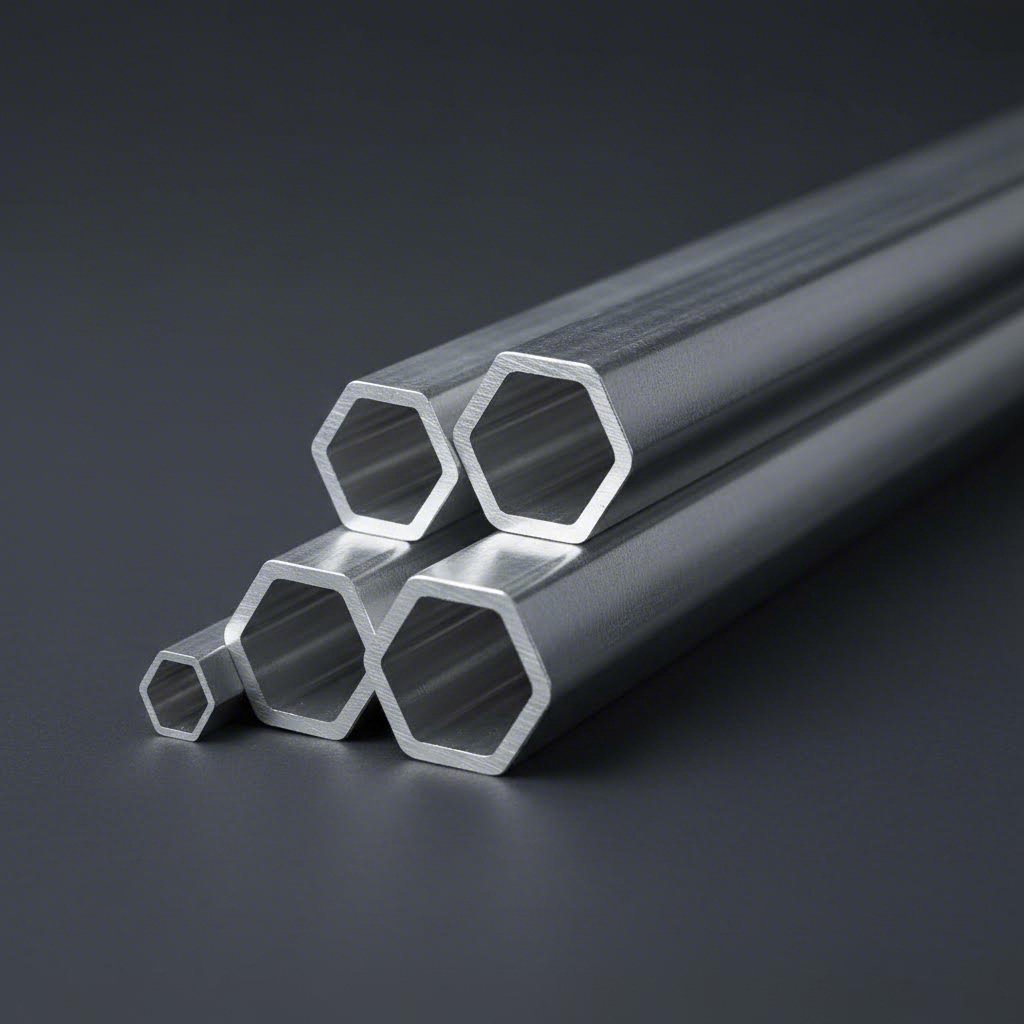
When you need a profile that combines structural strength with practical functionality, hexagonal aluminum extrusion stands out as an engineering favorite. This manufacturing process forces heated aluminum alloy through a specially designed die to create a six-sided profile that offers distinct advantages over round or square alternatives.
But what exactly makes this shape so valuable to engineers and designers? Let's break it down.
A hexagonal aluminum extrusion features six equal sides arranged at 120-degree angles, creating what machinists call "wrench flats." These flat surfaces allow tools to grip the profile securely—something you simply cannot achieve with round stock. Imagine trying to tighten a cylindrical bolt with a wrench. It would slip immediately. The hex shape solves this problem elegantly.
The unique six-sided cross-section also provides easier clamping and stability during machining processes. According to industry sources, this geometric advantage results in higher accuracy and efficiency when fabricating components from hex stock.
Engineers choose hexagonal profiles over other shapes for several compelling reasons. The geometry distributes stress differently than round or square alternatives, and the flat surfaces enable manual adjustment or fitting into hexagonal sockets with minimal effort.
Here's an important distinction many suppliers overlook: hexagonal aluminum extrusions come in two primary forms.
Understanding this difference matters because hollow hex tubing serves entirely different applications than solid bars, despite sharing the same external profile.
What sets quality hexagonal aluminum extrusions apart? Here are the defining features you should understand:
The hexagonal shape also allows for efficient stacking and nesting during storage and shipping—a practical advantage that reduces logistics costs for high-volume applications. Whether you're designing modular frameworks, manufacturing fasteners, or creating architectural elements, understanding these fundamentals helps you specify the right profile for your project.
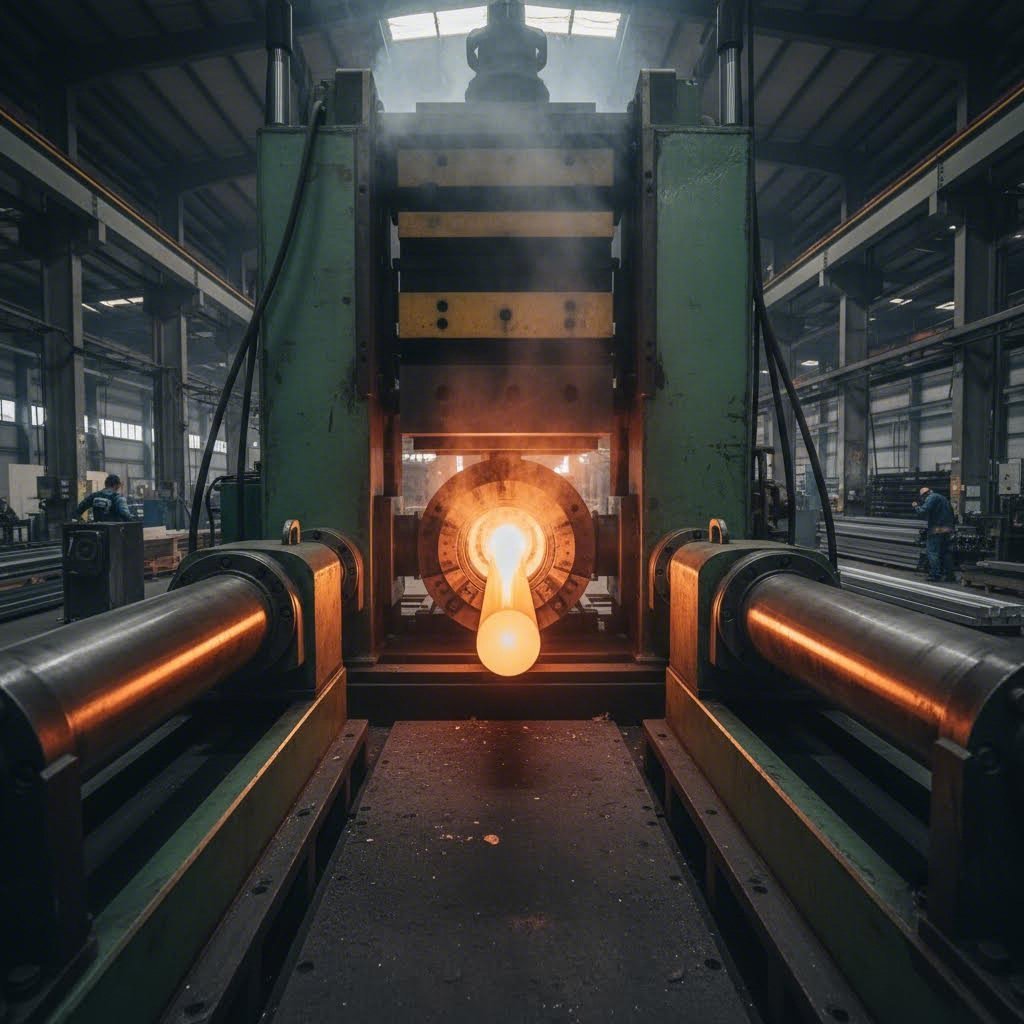
Have you ever wondered how a solid block of aluminum transforms into a perfectly symmetrical hexagonal profile? The manufacturing process behind hexagonal tubing and hex bars involves precise engineering, specialized tooling, and carefully controlled conditions. Understanding this process helps you appreciate why quality varies between suppliers—and why specification matters.
The journey from raw material to finished hexagonal aluminium tube follows a well-defined sequence. Each stage builds upon the previous one, and precision at every step determines the final product quality.
The die is where the magic happens—and where precision engineering becomes absolutely essential. Creating a hexagonal profile presents unique challenges that round or square dies simply don't face.
Why is hex die design so demanding? The aluminum must flow uniformly to all six corners of the die opening simultaneously. Any imbalance creates profiles with uneven wall thickness, inconsistent dimensions, or visible surface defects. Research published in the Journal of Mechanical Science and Technology demonstrates that streamlined die designs using cosine curve profiles produce more efficient extrusion with lower forming forces compared to conventional shear-faced dies.
Modern die design employs advanced techniques including:
For hollow hex tubes, the die design becomes even more complex. A mandrel must be precisely positioned within the die opening to create the internal cavity while maintaining uniform wall thickness across all six sides.
Not all aluminum alloys extrude equally well—and the alloy you choose directly impacts both manufacturability and final performance.
The 6063 alloy is the most popular choice for hexagonal aluminum extrusions, particularly for applications requiring thin walls and architectural features. Its popularity stems from excellent extrudability, superior anodizing response, and the high-quality surface finish it provides. When you need a decorative hex profile with clean lines, 6063 delivers.
For applications demanding higher strength, 6061 offers better mechanical properties with good weldability and corrosion resistance. The 6005 alloy provides a middle ground—stronger than 6063 with better extrusion characteristics than 6082—making it suitable for structural hexagonal tubing in furniture and rail applications.
The alloy selection ultimately depends on your priorities: Will the profile undergo significant machining? Does it need maximum corrosion resistance? Is surface appearance critical? Answering these questions guides you toward the optimal material choice for your hexagonal extrusion project.
You've selected the right alloy and understand how hex profiles are manufactured. But here's the question that really matters: how will your hexagon tubing actually perform under load? Engineers need hard numbers—tensile strength, yield strength, hardness values—to make confident specification decisions. Let's dig into the mechanical properties that separate adequate hex pipe from exceptional structural components.
The mechanical performance of hexagonal aluminum extrusions depends primarily on two factors: the base alloy composition and the temper designation. Think of temper as the "training" your aluminum receives—heat treatment and aging processes that dramatically alter its strength characteristics.
Two alloys dominate the hex extrusion market: 6061-T6 and 6063-T5. While they share approximately 99% of their alloy composition, their mechanical properties differ significantly. According to MakeItFrom.com, these differences become critical when selecting materials for demanding applications.
| Property | 6061-T6 | 6063-T5 | Engineering Significance |
|---|---|---|---|
| Ultimate Tensile Strength | 310 MPa (45,000 psi) | 180 MPa (26,000 psi) | Maximum stress before fracture |
| Tensile Yield Strength | 276 MPa (40,000 psi) | 140 MPa (20,000 psi) | Stress at permanent deformation onset |
| Shear Strength | 207 MPa (30,000 psi) | 120 MPa (17,400 psi) | Resistance to sliding failure |
| Fatigue Strength (500M cycles) | 96.5 MPa (14,000 psi) | 70 MPa (10,150 psi) | Endurance under cyclic loading |
| Elongation at Break | 12% | 11% | Ductility before failure |
| Hardness (Brinell) | 95 HB | 60 HB | Surface wear resistance |
Notice the pattern? 6061-T6 delivers nearly double the strength of 6063-T5 across most categories. However, 6063-T5 offers better thermal conductivity (210 W/m-K versus 170 W/m-K) and superior electrical conductivity—making it the preferred choice for heat sinks and electrical applications despite lower mechanical strength.
Here's where hexagonal geometry becomes genuinely interesting. Unlike round profiles that distribute stress uniformly across their circular cross-section, hex profiles create distinct stress concentration patterns at their corners and flat surfaces.
What does this mean practically? When you apply torque to a t hexagon profile—like tightening a hex bolt—the flat wrench surfaces transfer force efficiently without the slippage that round profiles experience. Research published in Materials Today on hexagonal aluminum honeycomb structures demonstrates how this geometry handles stress distribution in sandwich panel applications, noting that face sheet thickness significantly influences overall structural behavior.
For hex pipe applications, consider these performance factors:
The practical takeaway? Choose 6061-T6 when structural integrity is paramount—machinery components, aerospace fittings, or load-bearing frames. Select 6063-T5 when appearance, extrudability, and corrosion resistance matter more than maximum strength.
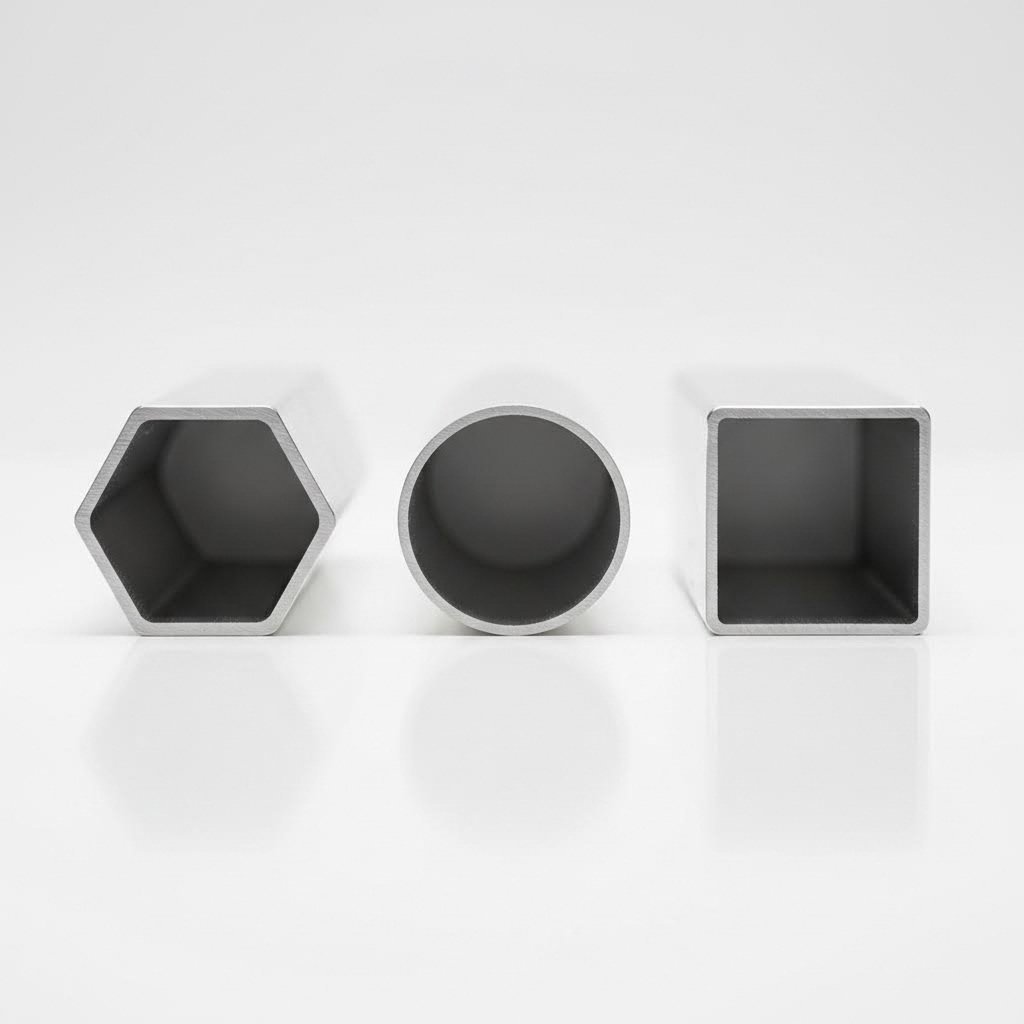
You understand the fundamentals, manufacturing process, and mechanical properties of hex profiles. Now comes the decision engineers face constantly: should you specify hexagonal, round, or square aluminum extrusion for your project? Each shape solves different problems—and choosing incorrectly means compromised performance, wasted material, or unnecessary fabrication complexity.
Let's examine exactly when the hex shape earns its place in your design.
The geometry of your extrusion profile isn't decorative—it's a fundamental engineering decision that affects load transfer, connection design, and fabrication efficiency. According to Steel Hollow Section research, the tube profile matters as much as the material grade itself.
Round tubing excels at handling internal pressure and torsional loads due to its symmetrical stress distribution. Pipelines, handrails, and rotating shafts rely on this uniform geometry. Square tubing prioritizes stability and simple connections—flat sides make welding, bolting, and alignment straightforward.
So where does hexagonal fit? Right in the middle, offering capabilities neither round nor square can match.
| Criteria | Hexagonal Profile | Round Profile | Square Profile |
|---|---|---|---|
| Grip Capability | Excellent—wrench flats enable secure tool engagement and torque transfer | Poor—slips under rotational force without specialized fixtures | Good—flat faces allow clamping but corners limit wrench options |
| Nesting Efficiency | Superior—hexagons tessellate perfectly like a beehive for optimal storage | Moderate—circular shapes leave gaps when stacked | Good—squares stack efficiently but less space-optimal than hex |
| Rotational Control | Excellent—multiple flat faces prevent unwanted rotation | None—requires additional anti-rotation features | Good—four flat surfaces provide orientation reference |
| Stress Distribution | Directional—concentrated at corners with even flat-surface loading | Uniform—symmetrical distribution ideal for pressure applications | Directional—loads transfer through corners and sides |
| Aesthetic Options | Distinctive—unique visual appeal for architectural features | Classic—smooth curves suit fluid designs | Industrial—clean lines for structural applications |
| Typical Applications | Fasteners, mechanical connectors, modular enclosures, tool components | Pipelines, handrails, scaffolding, rotating shafts | Frames, columns, equipment supports, modular buildings |
Why do engineers specifically reach for hexagonal profiles? Three geometric advantages make the difference.
Wrench Flats for Tool Engagement: Imagine tightening a coupling that's recessed inside machinery. With round stock, you'd need specialized gripping tools or risk slippage. Hex tube steel or aluminum provides six flat surfaces that standard wrenches engage securely. This isn't just convenient—it's essential for applications requiring repeated adjustment or high-torque assembly.
Efficient Nesting for Storage and Shipping: Here's a practical advantage many overlook. Hexagonal profiles tessellate—they fit together without wasted space, exactly like honeycomb cells. This geometry reduces packaging volume and shipping costs for high-volume orders. According to MiniTec's application guide, hexagon-shaped enclosures can be "nested together like a beehive to save even more space."
Aesthetic Appeal for Architectural Applications: The six-sided profile offers visual interest that round and square simply cannot replicate. Furniture designers, architectural specifiers, and product engineers choose hex profiles when they need components that stand out while remaining functional.
Have you encountered T-slot hexagonal profiles? This specialized variant combines the gripping advantages of hex geometry with the modularity of T-slot framing systems.
Traditional T-slot extrusions use square or rectangular profiles with channels that accept sliding hardware. Hexagonal T-slot profiles take this further—they serve as angled posts that enable enclosures matching circular work envelopes. Robot cells, for example, often have circular reach patterns. Building a rectangular enclosure around a circular workspace wastes floor space. A hexagon-shaped enclosure follows the robot's natural work envelope more closely.
Applications benefiting from T-slot hex profiles include:
The modularity advantage matters for production flexibility. Instead of welding custom frames, T-slot hex systems allow rapid reconfiguration as equipment or processes change.
Selecting a profile shape ultimately depends on matching geometry to real performance demands. Choose hexagonal when you need tool engagement, rotational control, or space-efficient nesting. Specify round profiles for pressure containment, torsional loads, or fluid handling. Select square or rectangular when connection simplicity and bidirectional strength matter most.
The right choice aligns tube shape with application requirements—and when geometry matches function, your aluminum works more efficiently throughout the project lifecycle.
You've selected the right alloy, verified the mechanical properties, and confirmed hexagonal geometry suits your application. But here's a question that often separates good specifications from great ones: what surface finish does your aluminum hex bar need? The answer affects everything from corrosion resistance to visual appeal—and getting it wrong means premature failure or costly rework.
Let's explore the finishing options that transform raw hexagonal extrusions into application-ready components.
Every hexagonal aluminum extrusion starts with what manufacturers call a mill finish—the raw surface condition as it exits the extrusion die. According to Gabrian's finishing guide, mill finish surfaces may show die marks, oxidation, and a dull appearance. While acceptable for hidden structural components, most applications demand more.
Here are the primary surface treatment categories available for your anodized hexagonal extrusion or powder coated hex tube projects:
Choosing between decorative and functional finishes isn't always straightforward. Sometimes you need both. Understanding how each treatment performs helps you match aluminum hex bar finish to real-world demands.
When Corrosion Resistance Matters Most: Anodizing creates an integral oxide layer that won't chip or peel like applied coatings. For hex tubing steel alternatives in marine environments or outdoor machinery, anodized aluminum provides decades of reliable service. PVDF coatings offer similar protection with added UV resistance for architectural applications like window frames and exterior cladding.
When Wear Resistance is Critical: Anodized surfaces are significantly harder than the base aluminum, resisting abrasion in high-contact applications. According to materials engineering experts, this increased surface hardness makes anodizing ideal for mechanical components experiencing repeated tool engagement or sliding contact.
When Appearance Drives the Decision: Powder coating wins for visual versatility. Need a specific Pantone color for brand consistency? Powder coating delivers. Require a matte finish that hides fingerprints? Available. The trade-off is slightly less durability than anodizing—powder coatings protect well as long as the coating remains intact.
When Budget Constraints Apply: Mill finish costs the least upfront but typically costs more over time through replacement and maintenance. For temporary installations or concealed components, it may suffice. For everything else, the modest investment in surface treatment pays dividends through extended service life.
The right surface finish can elevate products from "good" to "outstanding," making extrusions last longer and look better.
Consider your application environment carefully. Indoor architectural features may only need decorative powder coating. Outdoor structural hex tubes demand the corrosion protection of anodizing or PVDF. Industrial components subject to tool contact benefit from anodizing's wear resistance. Matching finish to function ensures your hexagonal aluminum extrusions perform as expected—and that performance translates directly into dimensional specifications and tolerances covered next.
You've selected the perfect alloy, finish, and profile shape. Now comes the specification detail that separates successful projects from costly rework: dimensions and tolerances. Getting hexagonal extrusion dimensions right means your components fit precisely, assemble smoothly, and perform as designed. Getting them wrong? Expect machining delays, assembly headaches, and budget overruns.
Let's walk through the specification data you need for confident procurement decisions.
Aluminum hex bar sizes and hex tube dimensions follow established industry standards, though availability varies by supplier and production capability. Understanding what's readily available versus what requires custom tooling helps you balance lead time against design flexibility.
For solid hexagonal bar stock, across-flat dimensions (the distance between parallel sides) typically range from 1/4 inch to 4 inches. Hollow hex tubing offers additional complexity—you're specifying both the outer across-flat measurement and the hex tube wall thickness.
According to Chalco Aluminum's specifications, standard hex tube sizes commonly available include:
| Across-Flat Size | Typical Wall Thickness | Common Applications |
|---|---|---|
| 1/2" | 1/8" | UAV structures, lightweight framing |
| 5/8" | 1/8" | Drone arms, modular assemblies |
| 3/4" | 1/8" | Architectural elements, display frames |
| 1" | 1/4" | Industrial fixtures, positioning systems |
| 1-1/4" | 1/8" | Equipment supports, jig components |
| 1-1/2" | 1/4" | Tool handles, heavy-duty connectors |
| 2" | 1/8" | Fitness equipment, structural applications |
Wall thickness categories generally fall into three ranges:
Custom lengths up to 6 meters are available from most manufacturers, with precision cutting services eliminating the need for downstream trimming operations.
Here's where many specifications fall short: assuming all hexagonal profiles meet the same dimensional accuracy. They don't. Tolerance standards govern how much variation is acceptable—and understanding these limits prevents assembly failures.
According to the Aluminum Association's published standards (ANSI H35.2), mechanical tolerances for extrusions vary based on several factors:
For practical estimation, industry "rules of thumb" provide useful guidance when exact calculations aren't yet necessary:
| Tolerance Type | Standard Allowance | Notes |
|---|---|---|
| Straightness | 0.0125 inches per foot | Applies to profile length |
| Twist | 0.5 degrees per foot | Rotational deviation along length |
| Flatness | 0.004 × width | Surface deviation from true flat |
| Wall Thickness | ±10% | Variation from nominal dimension |
What about hexagonal profile tolerances tighter than standard? They're achievable—but at a cost. According to industry guidance, achieving closer tolerances may require die modifications, slower extrusion speeds, increased inspection frequency, and potentially higher rejection rates. These factors translate directly to higher unit costs.
Standard tolerances are easy to achieve for properly designed extrusion profiles, but can be very difficult for improperly designed ones.
When should you specify off-the-shelf hex profiles versus investing in custom tooling? The decision hinges on volume, dimensional requirements, and timeline.
Standard Catalog Products offer faster delivery, lower minimum orders, and proven dimensional consistency. If your design accommodates common aluminum hex bar sizes—like 1/2", 3/4", or 1" across-flat dimensions—catalog products typically ship within days rather than weeks.
Custom Extrusion makes sense when:
The minimum wall thickness achievable depends on your profile's circumscribing circle. According to Bonnell Aluminum's design guide, hollow shapes in the 2-3 inch circumscribing circle range require minimum wall thickness of 0.062 inches. Larger profiles demand proportionally thicker walls—a 6-7 inch circle requires 0.125 inch minimum walls.
Before finalizing specifications, discuss critical dimensions directly with your extrusion supplier. As the Aluminum Association recommends, "all critical dimensions should be discussed between the purchaser and extruder to determine the most practical tolerances for each specific application." This consultation prevents specification conflicts and ensures your hexagonal profiles arrive ready for immediate use—without the machining and fabrication challenges we'll address next.
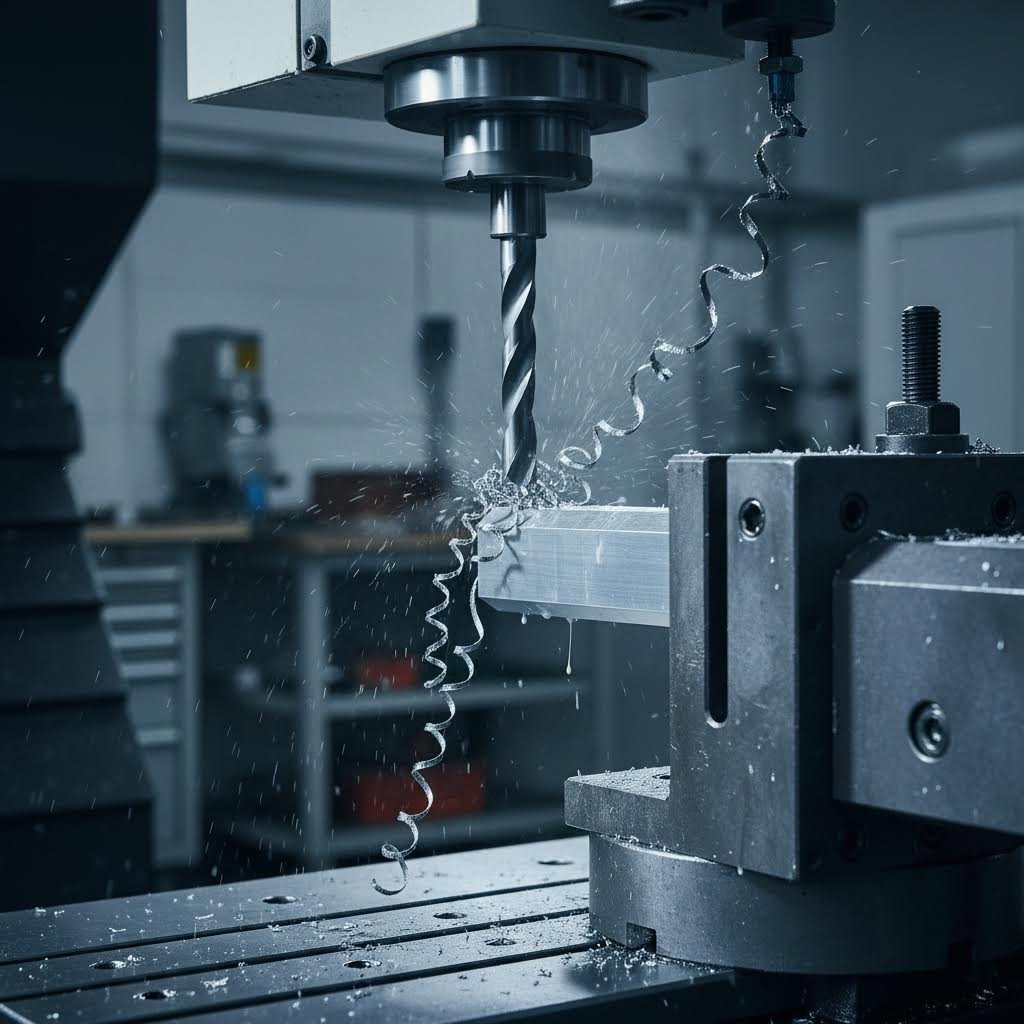
Your hexagonal aluminum extrusion has arrived—dimensions verified, surface finish confirmed, tolerances within spec. Now what? The real challenge begins when you start cutting hexagonal aluminum, drilling holes, or machining features into your hex profiles. Get the fabrication right, and your components assemble perfectly. Get it wrong, and you're facing scrap material, missed deadlines, and frustrated machinists.
Let's walk through the practical techniques that separate clean fabrication from costly rework.
Cutting hexagonal aluminum requires different considerations than round or square stock. Those six flat surfaces that make hex profiles so useful for tool engagement also create unique clamping and alignment challenges during machining.
Cutting Methods That Work: For most hex tube and bar applications, CNC machining centers deliver the best results. According to Modig's extrusion machining guide, CNC centers perform sawing, drilling, milling, and tapping operations with the precision hexagonal profiles demand. The key is proper workholding—those wrench flats provide excellent clamping surfaces when fixtures are designed to engage multiple sides simultaneously.
For shop-floor cutting without CNC equipment, consider these approaches:
Drilling Hex Bar Aluminum Successfully: Drilling aluminum sounds simple until you're chasing wandering holes or clearing clogged flutes. The experts at HPMT Industries emphasize that proper tool selection prevents most drilling problems before they start.
For machining hex tube operations, follow these drilling guidelines:
Even experienced fabricators encounter problems when working with hexagonal profiles for the first time. Here are the mistakes we see most often—and how to prevent them.
Dimensional Inaccuracies from Worn Tooling: According to Alumac Industries' fabrication analysis, variations in profile dimensions often trace back to die wear, temperature fluctuations, or improper cutting techniques. The solution? Regular inspection of cutting tools and strict process control during machining operations.
Surface Damage During Handling: Those pristine anodized or powder-coated surfaces scratch easily. Improper handling, tooling marks, or even metal shavings left on work surfaces create defects that require expensive refinishing—or scrapping the part entirely. Use protective fixtures, clean work areas between operations, and handle finished profiles with care.
Warping After Machining: Removing material from one side of a hex profile can release internal stresses, causing the part to bow or twist. For critical applications, consider stress-relief heat treatment before final machining, or plan your material removal symmetrically to balance residual stresses.
Bending Limitations: Can you bend hexagonal extrusions? Technically yes, but the results rarely satisfy. The corners concentrate stress during bending, leading to cracking or severe distortion of the hex geometry. If your design requires curves, specify round tubing for those sections or redesign using multiple straight hex segments joined at angles.
Follow these proven practices to achieve consistent, high-quality results when fabricating hex aluminum components:
By following these fabrication fundamentals, your hexagonal aluminum extrusions transform from raw material into precision components ready for assembly. Understanding where these profiles ultimately serve—across industries from aerospace to architecture—helps you appreciate why getting fabrication right matters so much.
You've mastered the fabrication techniques. Now imagine walking through a factory floor, an architectural showroom, or an aerospace facility. Where would you actually spot hexagonal aluminum extrusions in action? The answer might surprise you—these six-sided profiles appear in applications ranging from high-precision machinery components to stunning architectural facades.
Let's explore how different industries leverage the unique advantages of hex profiles to solve real engineering challenges.
The hexagonal shape isn't just visually distinctive—it serves critical functional purposes across demanding environments. According to Orange Aluminum's industry analysis, hexagonal profiles offer improved load-bearing capabilities that make them particularly well-suited for industrial settings requiring structural integrity and visual appeal.
Machinery and Equipment Manufacturing: Think about every fastener, coupling, and connector in heavy machinery. Hex tube industrial uses dominate here because the geometry enables secure tool engagement during assembly and maintenance. Valve bodies, gears, and precision fittings rely on hexagonal aluminum applications where rotational control and high-torque transmission matter most.
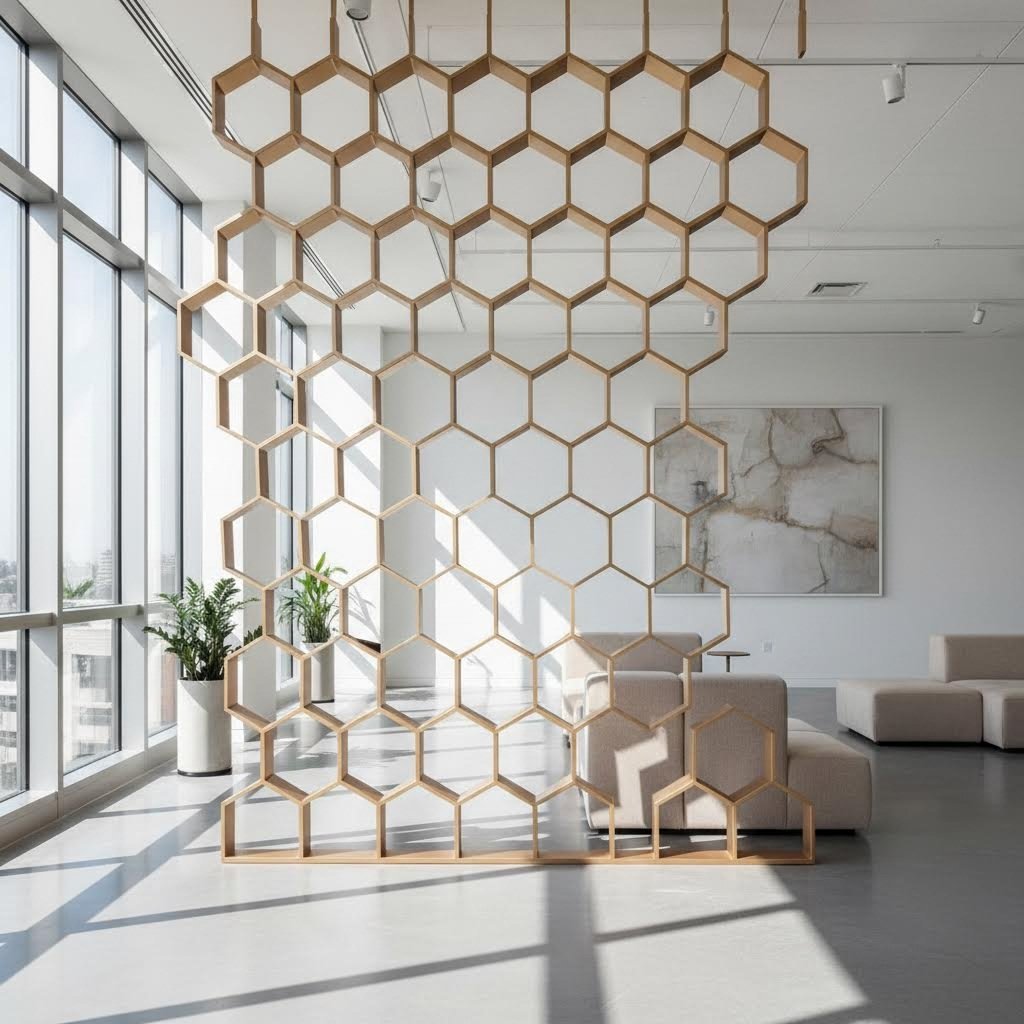
Architectural Elements: Architects increasingly embrace hexagonal forms for both structural and decorative purposes. According to Architizer's architectural research, the hexagon is considered one of the most efficient shapes for covering surfaces—using the least amount of separating walls while creating visually striking patterns. Architectural hex extrusion applications include decorative facades, window framing systems, and interior design elements where the six-sided profile adds geometric interest.
Construction and Structural Framing: When standard 90-degree connections won't suffice, hexagonal T-slot profiles enable angled assemblies that conform to circular work envelopes. Robot enclosures, machine guards, and modular workstations benefit from this flexibility—creating perimeters that minimize wasted floor space compared to rectangular alternatives.
Beyond general industrial applications, specific sectors leverage hexagonal profile machinery and components for specialized requirements.
What's fascinating about hexagonal aluminum applications is how often functional and aesthetic purposes overlap. Consider the Liverpool Insurgentes Department Store in Mexico City, where Rojkind Arquitectos created a facade featuring differently sized hexagons that overlap and combine—using fiberglass, steel, aluminum, and glass to create patterns that appear animated while managing transparency and light.
This dual-purpose design philosophy extends across industries:
The HEX-SYS project by OPEN Architecture demonstrates this perfectly—a sustainable building typology using 430-square-foot hexagonal cells that can be arranged into different configurations, dismantled after use, or transported and reassembled. The hexagonal form serves both modular construction efficiency and distinctive visual identity.
T-slot hexagonal extrusions deserve special attention for their role in modular construction. Unlike welded frames that require permanent commitment, T-slot hex profiles allow rapid reconfiguration as production needs evolve.
Key modular framing applications include:
Whether your application demands the structural integrity for hexagonal profile machinery, the visual distinction for architectural hex extrusion facades, or the modularity for reconfigurable workspaces, hexagonal aluminum profiles deliver capabilities that round and square alternatives simply cannot match. Understanding these real-world applications helps you envision exactly how hex profiles might solve your specific engineering challenges—and knowing where to source quality extrusions becomes the final piece of the puzzle.
You've defined your hexagonal profile requirements—alloy, dimensions, tolerances, surface finish. Now comes the decision that determines whether your project succeeds or stalls: which hexagonal extrusion supplier earns your business? The wrong choice means missed deadlines, quality issues, and frustrating communication breakdowns. The right partner delivers precision profiles on schedule while anticipating problems before they derail your timeline.
Let's walk through the evaluation criteria that separate capable aluminum hex tube manufacturers from those who'll leave you scrambling for alternatives.
Not all extrusion facilities operate equally. According to industry procurement guidance, a supplier's press capacity defines what profiles they can actually produce—and press range matters tremendously for hexagonal profile sourcing.
Here's what to evaluate when vetting potential suppliers:
Before contacting suppliers, determine whether your project requires custom hex aluminum extrusion or can utilize standard catalog products. This decision significantly impacts cost, lead time, and minimum order requirements.
When Standard Products Make Sense:
According to aluminum sourcing experts, stock extrusions—standard angles, channels, tubes, and bars kept in inventory—offer immediate availability with no tooling costs. They're best for prototyping, small projects, replacement parts, or simple structural applications where your design accommodates common dimensions.
When Custom Extrusion Justifies the Investment:
Custom extrusions require unique dies designed to your specifications. The benefits include optimized weight and material usage, reduced secondary machining operations, and exact dimensional control. However, expect higher upfront tooling costs and longer lead times.
Consider custom hex aluminum extrusion when:
| Factor | Standard Catalog Products | Custom Extrusion |
|---|---|---|
| Lead Time | Days to weeks | 4-6 weeks typical |
| Tooling Cost | None | Die investment required |
| Minimum Order | Often no minimum | Typically 500 kg+ |
| Design Flexibility | Limited to available sizes | Unlimited within process constraints |
| Best For | Prototypes, small runs, standard applications | High volume, optimized designs, integrated features |
Understand this clearly: aluminum extrusion lead times are long. According to Profile Precision Extrusions, a new project for a simple design with no fabrication takes approximately 16 weeks to ship. Designs requiring multiple fabrication steps and anodizing can extend to 20 weeks or longer.
Typical production benchmarks for hexagonal profile sourcing include:
The practical implication? Start your sourcing process early. If you're considering new hexagonal extrusion projects, begin design discussions and supplier evaluations now rather than waiting until production deadlines loom.
When you've identified potential aluminum hex tube manufacturers, provide enough information for accurate quotation. According to industry best practices, the following details enable suppliers to evaluate your project properly:
Providing complete information upfront prevents back-and-forth delays and ensures your quotation reflects actual project requirements rather than supplier assumptions.
The question of where to source hexagonal extrusions doesn't have a one-size-fits-all answer. It comes down to balancing cost, lead time, capability, and support.
For projects requiring end-to-end capability from die development through mass production, suppliers offering integrated services reduce coordination complexity. Shengxin Aluminium's combination of extensive press capacity, in-house surface treatments, and CNC machining centers for precise cutting, drilling, and bending means your hexagonal profiles can arrive ready for assembly—not requiring additional subcontractor coordination.
For straightforward applications using standard dimensions, local distributors with inventory may offer faster delivery despite potentially higher unit costs.
Work with a supplier who can walk you through both standard and custom options—and help you decide which approach makes the smarter choice for your specific needs.
By evaluating press capability, surface treatment options, quality systems, and technical support before committing to a supplier, you position your hexagonal aluminum extrusion project for success from specification through final delivery.
Hexagonal aluminum extrusion serves diverse applications across multiple industries. In machinery manufacturing, hex profiles create fasteners, couplings, and valve bodies requiring secure tool engagement. Architectural applications include decorative facades, window framing, and interior design elements. The six-sided geometry also enables modular T-slot framing systems for robot enclosures, machine guards, and reconfigurable workstations. Additional uses include aerospace components, automotive parts, medical device handles, furniture design, and marine hardware where corrosion resistance and wrench-flat functionality are essential.
Standard hex bar across-flat dimensions typically range from 1/4 inch to 4 inches. For hollow hex tubing, common sizes include 1/2", 5/8", 3/4", 1", 1-1/4", 1-1/2", and 2" across-flat measurements. Wall thickness options fall into three categories: thin-wall (1.0mm to 2.0mm) for lightweight applications, standard-wall (2.0mm to 4.0mm) for general structural use, and heavy-wall (4.0mm and above) for high-stress industrial environments. Custom lengths up to 6 meters are available from most manufacturers.
The primary difference lies in mechanical strength versus surface quality. 6061-T6 offers significantly higher tensile strength (310 MPa versus 180 MPa), making it ideal for structural and load-bearing hexagonal components. 6063-T5 provides superior extrudability, better anodizing response, and excellent surface finish—preferred for architectural and decorative applications. 6063 also delivers better thermal and electrical conductivity, making it suitable for heat sinks. Choose 6061 when strength is paramount; select 6063 when appearance and corrosion resistance matter more.
Custom hexagonal extrusion costs depend on several factors including die tooling investment, order volume, alloy selection, surface finishing requirements, and dimensional complexity. Die costs represent the primary upfront expense for custom profiles. Minimum order quantities typically start around 500 kg to justify tooling investment. Standard catalog hex products cost less per unit but offer limited dimensional options. For accurate pricing, suppliers like Shengxin Aluminium provide quotations based on your specific drawings, tolerances, annual usage estimates, and finishing requirements.
Multiple surface treatment options enhance hexagonal aluminum extrusions for specific applications. Anodizing creates an integral oxide layer providing excellent corrosion and wear resistance with color options including Champagne and Rose Gold. Powder coating offers unlimited color choices and superior scratch resistance for decorative applications. PVDF coatings deliver exceptional UV and chemical resistance for exterior architectural use. Mill finish serves cost-sensitive applications where appearance is secondary. Mechanical finishes like polishing or abrasive blasting prepare surfaces for additional treatments or achieve specific textures.



 Onlineservice
 0086 136 3563 2360
 sales@sxalu.com
 +86 136 3563 2360
 Deutsch
 English
 français
 русский
 español
 português
 العربية
 ไทย
ไทย Việt
Việt Українська