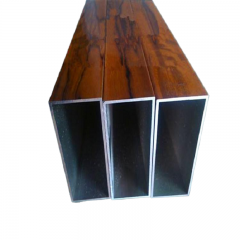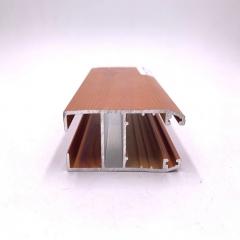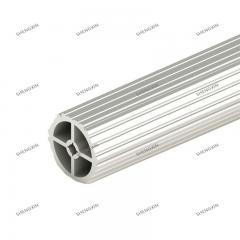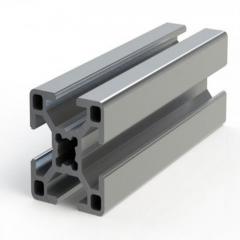
Whether you're sourcing materials for a construction project, manufacturing custom components, or selling scrap metal, extrusion aluminum prices directly impact your bottom line. But here's the thing—these prices aren't as straightforward as checking a single number on a commodity chart. They represent a complex interplay of raw material costs, manufacturing processes, market forces, and even global trade policies.
Unlike commodities such as stainless steel price quotations that follow relatively predictable patterns, aluminum extrusion pricing operates on multiple levels. You need to understand both what you'll pay for new extruded aluminum and what your scrap will be worth at the end of its useful life. This dual perspective is something most buyers overlook, yet it's essential for calculating true project costs.
Raw material costs form the foundation of every aluminum extrusion quote you receive. According to industry data, raw materials typically account for more than half of operating expenses in aluminum extrusion processing. The cost of aluminum itself has fluctuated between $1,500 and $3,500 per metric ton in recent years, creating significant price variability for end users.
The London Metal Exchange (LME) aluminum benchmark serves as the starting point for virtually all extrusion pricing worldwide. Every quote you receive—whether for new profiles or scrap value—traces back to this global reference point.
Beyond base metal costs, you're also paying for manufacturing complexity. Energy expenses alone can drive dramatic price shifts, since aluminum smelting requires approximately 13-15 megawatt-hours of electricity per ton. This makes it one of the most energy-intensive industrial processes, with power costs representing nearly 40% of total production expenses.
Think of aluminum extrusion pricing as a lifecycle equation. On one side, you have the price of aluminum per pound when purchasing new profiles—currently hovering around $1.17 per pound before regional premiums. On the other side sits the aluminum scrap price you'll recover when recycling, which can range from $0.45 to over $1.20 per pound depending on grade and cleanliness.
This recycling value matters more than most buyers realize. Premium alloy grades like 6063 and 6061—the workhorses of the aluminum extrusion industry—command higher prices both at purchase and at the scrap yard. Clean 6063 extrusions can fetch prices exceeding $1.21 per pound in favorable market conditions, potentially recovering a significant portion of your original investment.
Market dynamics add another layer of complexity. Trade tariffs, currency fluctuations, and regional surcharges all influence what you'll actually pay. For instance, the Midwest Premium—a regional surcharge added to LME prices—reached $0.77 per pound in 2025, representing a 250% increase from earlier in the year. Understanding these moving parts helps you time purchases strategically and negotiate from a position of knowledge.
So you've requested quotes for aluminum extrusions and received numbers that seem wildly different for similar profiles. Sound familiar? The confusion stems from multiple cost layers stacking on top of each other—layers that suppliers don't always break down clearly. Understanding these components transforms you from a passive quote recipient into an informed negotiator who knows exactly how much is aluminum per pound in their specific application.
The pricing structure for new aluminum extrusions consists of five primary components that combine to create your final quote:
Every extrusion quote starts with the raw aluminum billet price, which fluctuates based on London Metal Exchange valuations. When you're evaluating the cost of aluminum per pound in your quote, remember that suppliers typically purchase billets at LME rates plus regional premiums and then add their own margins.
The base material cost is the largest variable you'll encounter. According to industry analysis from Gabrian International, aluminum prices have ranged anywhere from $1,500 to $3,500 per metric ton in recent years. This volatility explains why quotes from the same supplier can differ substantially just weeks apart.
For ongoing production needs, some buyers lock in rates by having extruders purchase metal in advance. This approach makes aluminum per pound costs more predictable across extended projects. Different alloy grades also carry different price points—specialty alloys beyond standard 6063 often require premium pricing due to limited availability and specialized procurement.
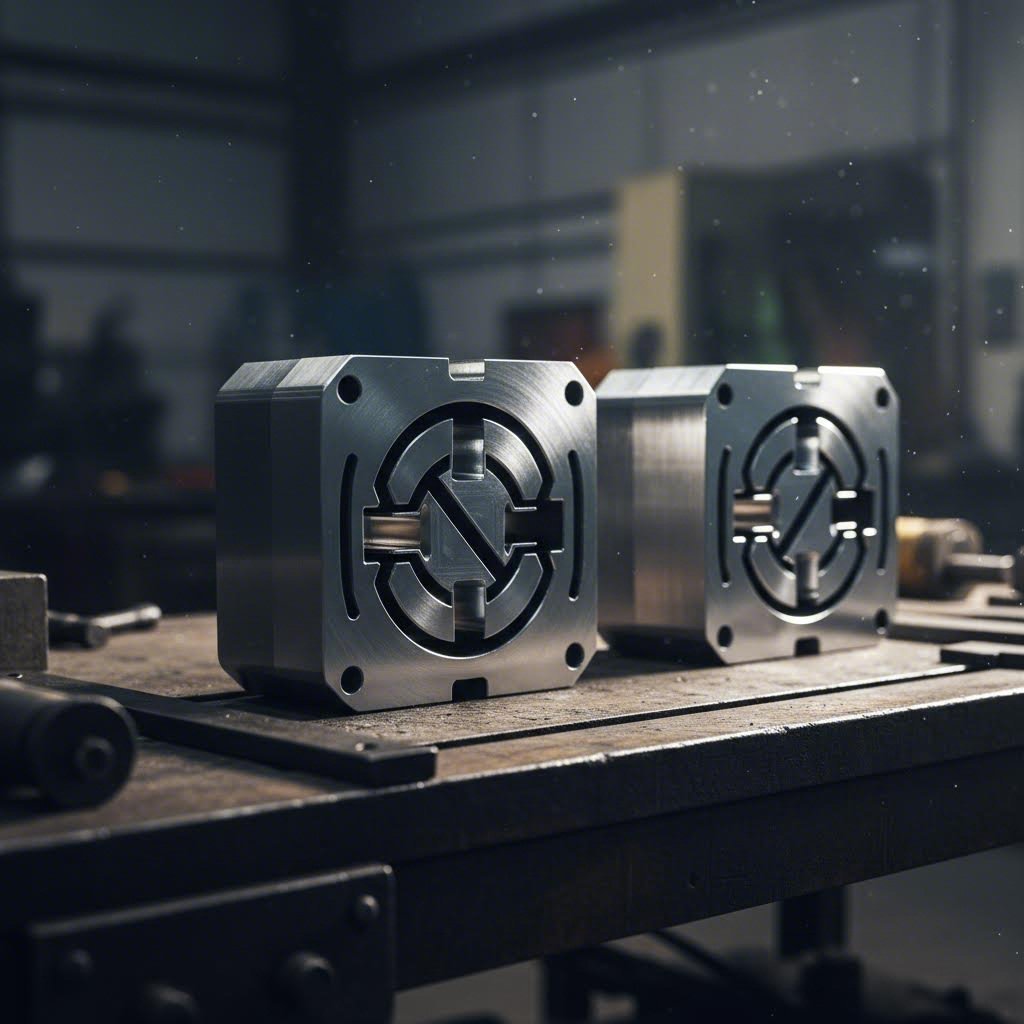
Here's where many buyers get surprised: tooling costs can dramatically shift your per-piece pricing, especially on custom profiles. The die—that hardened steel tool through which aluminum is pushed to create your profile shape—represents a significant fixed investment.
Consider this scenario from Sinoextrud's pricing analysis: a die costing $2,000 spread across 20,000 kg of production adds just $0.10 per kilogram. But order only 2,000 kg? That same tooling now costs $1.00 per kilogram—a tenfold increase that can make projects economically unviable.
Standard profiles like aluminum t-slot framing or common 1010 aluminum extrusion channels eliminate this concern entirely. These profiles use existing dies that have already been amortized across thousands of orders, which explains why off-the-shelf options cost significantly less than custom alternatives. Tool costs for normal architectural and industrial dies typically range from $400 to $1,000, while larger parts requiring 2,000-4,000 ton presses can push tooling expenses as high as $2,000.
Fabrication premiums cover the actual extrusion process—press operation, labor, utilities, and facility overhead. These costs remain relatively stable and predictable compared to material prices, making them easier to estimate when budgeting projects.
Volume is perhaps your most powerful lever for reducing aluminum extrusions costs. As order quantities increase, fixed expenses spread across more units, and manufacturing efficiencies improve substantially.
One supplier noted that purchasing 300 pounds or more can completely eliminate setup charges because the run reaches optimal production size. In practice, per-meter costs can drop 10-30% when moving from small orders around 500 meters to larger commitments of 5,000 meters or more.
But volume discounts come with strategic considerations:
Many manufacturers offer tooling refunds if you purchase stipulated amounts within two years, and most won't charge for replacement tools after their useful life if orders continue. Normal tool turnaround runs 3-4 weeks, with production following within a week of sample approval.
When comparing quotes, always ask suppliers to break down their pricing: What's the die cost? What production volume is assumed for amortization? What billet cost is built into the estimate? These questions reveal the true structure behind that per-pound or per-foot number and position you to make informed sourcing decisions as we explore alloy selection next.
You've nailed down the basics of extrusion pricing components—now here's where material science meets your budget. The alloy grade you specify doesn't just affect performance; it directly influences both your purchase price and the eventual scrap value when that aluminium extrusion reaches end of life. Yet many buyers default to whatever their supplier suggests without understanding the cost implications.
Not all aluminum is created equal. The 6000 series dominates extrusion aluminum applications because these alloys contain magnesium and silicon—elements that make them heat-treatable and exceptionally well-suited for the extrusion process. But within this family, price variations of 15-25% between grades are common, and selecting the wrong alloy means either overpaying for unnecessary properties or underspecifying and risking performance failures.
Two alloys account for the vast majority of aluminum extruded profiles you'll encounter: 6063 and 6061. Understanding their differences helps you make cost-effective decisions without sacrificing functionality.
6063 Aluminum is often called "architectural aluminum" for good reason. According to PSI Extrusions, this alloy contains 98.9% aluminum with 0.7% magnesium and 0.4% silicon—a simpler composition that makes it easier and more economical to extrude. It's the go-to choice for window frames, curtain walls, and decorative trim where smooth surface finish matters more than maximum strength.
6061 Aluminum contains more copper, silicon, chromium, and iron than its architectural cousin. This additional complexity translates to higher strength and hardness (Brinell hardness of 95 compared to 73 for 6063), but also increased cost and reduced extrudability. When structural demands require load-bearing capability, 6061 justifies its premium pricing.
The following table from TBK Metal's 2025 cost guide illustrates how different grades compare across key factors affecting your total project cost:
| Alloy Type | Typical Applications | Relative Cost (USD/kg) | Key Properties |
|---|---|---|---|
| 6063 | Window frames, curtain walls, extruded aluminum profile trim | $3.20 – $4.00 | Excellent extrudability, superior surface finish, high corrosion resistance |
| 6061 | Structural frames, machinery components, load-bearing assemblies | $3.50 – $4.50 | Medium-high strength, good machinability, balanced performance |
| 3003 | Decorative panels, roofing, non-structural elements | $2.50 – $3.00 | Excellent formability, low strength, high corrosion resistance |
| 5052 | Marine applications, outdoor cladding, harsh environments | $3.00 – $3.50 | Very high corrosion resistance, medium strength, good formability |
| 7075 | Aerospace, high-load specialized components | $5.00 – $6.50 | Very high strength, moderate corrosion resistance, limited formability |
Notice the substantial price jump for specialty grades like 7075. This aerospace-grade alloy costs 50-60% more than standard 6063, so specifying it without genuine structural necessity wastes budget that could fund other project elements.
Imagine you're designing an extruded aluminum channel system for retail display fixtures. Do you really need 6061's structural strength, or would 6063 deliver identical performance at lower cost? This question should drive every alloy decision.
Consider these selection criteria when specifying aluminum extrusion dimensions and materials:
Here's a detail that affects your total cost of ownership: alloy selection impacts scrap value too. Clean 6061 and 6063 extrusion scrap both command premium prices compared to mixed aluminum—but the grade you originally purchased influences what you'll recover at end of life. Higher-value alloys generally maintain their relative premium in scrap markets, partially offsetting their initial cost premium.
The key takeaway? Don't over-engineer. Specifying 6061 or specialty grades when 6063 would suffice adds cost without adding value. Conversely, underspecifying for structural applications creates liability and potential failure costs that dwarf any material savings. The right alloy balances performance requirements against budget constraints—a calculation that becomes much easier once you understand how surface finishing options layer additional costs onto your base material choice.
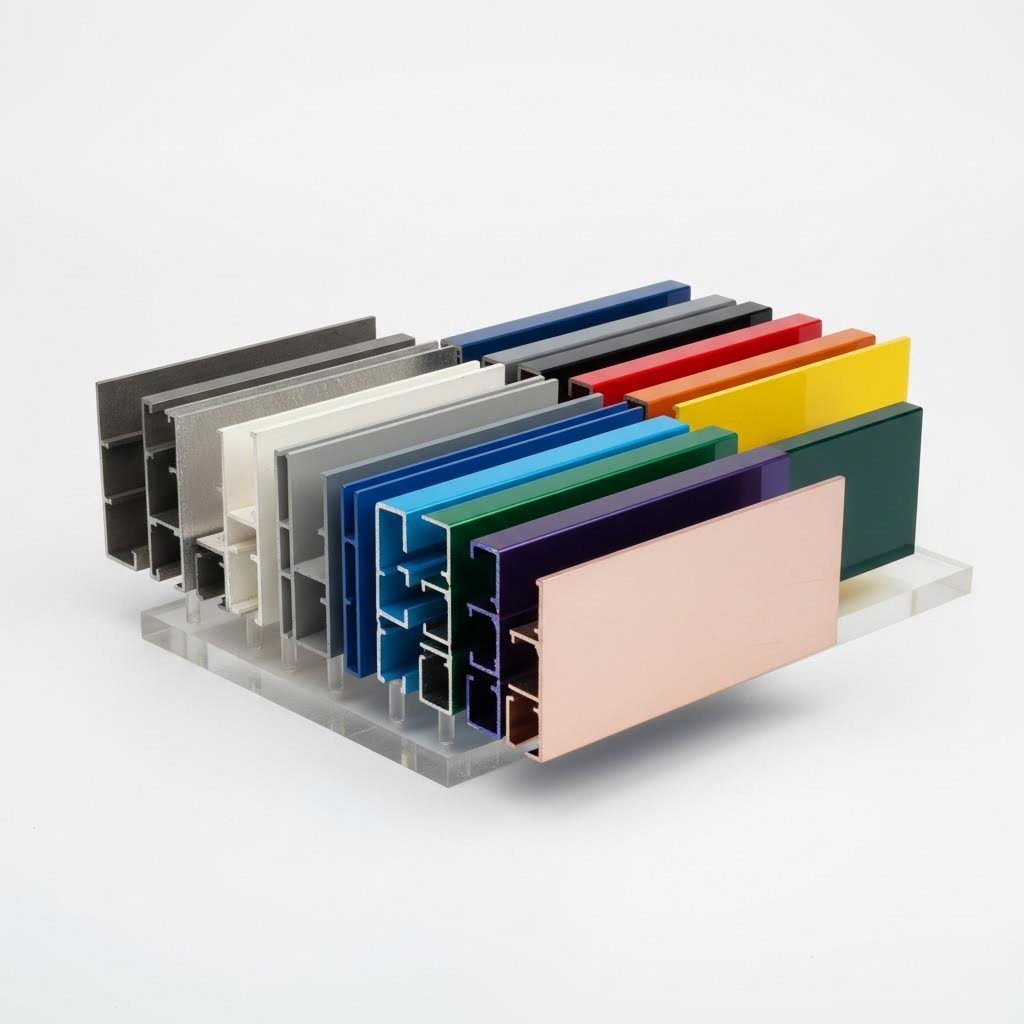
You've selected the perfect alloy and optimized your order volume—but your aluminum extrusion cost calculation isn't complete until you factor in surface treatment. This step often surprises buyers because finishing can add anywhere from 5% to 40% on top of base extrusion prices. Yet skipping proper surface treatment to save money upfront frequently leads to premature failure, costly replacements, and maintenance headaches that dwarf any initial savings.
Think of surface finishing as the protective armor for your extruded aluminum sections. Raw aluminum naturally develops a thin oxide layer that provides basic corrosion resistance, but this mill finish offers minimal protection against harsh environments, physical wear, or aesthetic degradation. The finish you select determines how long your extrusion maintains both appearance and function.
Surface treatments fall along a spectrum from basic to premium, with costs scaling accordingly. According to Gabrian International's cost analysis, finishing treatments can range from $800 per metric ton for basic chemical conversion coatings up to $1,400 per metric ton or more for anodizing and powder coating—with specialty finishes climbing even higher.
Here's what each major treatment option delivers and costs:
Mill Finish represents your baseline—aluminum as it comes off the extrusion press with no additional processing. While this eliminates finishing costs entirely, exposed aluminum shows every handling mark, fingerprint, and scratch. Mill finish works for hidden structural components or applications where appearance doesn't matter, but it offers minimal long-term protection.
Anodizing uses an electrochemical process to thicken aluminum's natural oxide layer, creating an integral coating that cannot peel or flake. According to SAF's finishing guide, the lifetime of an anodized finish is directly proportional to coating thickness—Class I anodizing (0.7 mils) lasts approximately twice as long as Class II (0.4 mils) in exterior applications. Anodizing typically adds $0.10-$0.30 per kilogram depending on thickness and color requirements.
Powder Coating applies pigmented resin powder electrostatically, then cures it in an oven to create a durable, colorful finish. This treatment adds roughly $0.20-$0.50 per kilogram and produces no volatile organic compounds during application—an environmental advantage over liquid paints. Powder coatings excel for applications requiring custom colors or where the wide color variety matters more than the metallic appearance anodizing provides.
PVDF (Polyvinylidene Fluoride) Coatings represent the premium tier for architectural applications. Formulated with 70% PVDF resin under trade names like Kynar 500 and Hylar 5000, these coatings offer exceptional UV resistance and color retention for 20+ years. The aluminum t channel on your building's curtain wall likely wears this finish if it was built to last. Expect to pay $0.50-$1.00+ per kilogram for this level of protection.
The following table compares your primary finishing options across key decision factors:
| Treatment Type | Durability Rating | Relative Cost Addition | Best Applications |
|---|---|---|---|
| Mill Finish | Low (2-5 years exterior) | None (baseline) | Hidden structural components, interior non-visible areas |
| Anodizing (Class I) | High (20+ years) | $0.10-$0.30/kg | Storefronts, door frames, high-traffic areas requiring abrasion resistance |
| Powder Coating | Medium-High (10-15 years) | $0.20-$0.50/kg | Architectural elements requiring custom colors, interior furniture |
| PVDF/Fluoropolymer | Very High (20-30 years) | $0.50-$1.00+/kg | Curtain walls, metal roofing, exterior cladding in harsh environments |
| Wood-Grain/Specialty | High (15-20 years) | $0.80-$1.50+/kg | Decorative facades, premium residential applications |
Sounds complex? It doesn't have to be. Match your finish selection to three key factors: environment, traffic, and visibility.
For high-traffic areas like storefront door stiles, t channel aluminum frames, or push bars, anodizing's superior abrasion resistance makes it the clear winner. SAF's research indicates that anodized surfaces can actually be renewed through cleaning—when the finish appears to have failed, an abrasive cleaning technique removes accumulated dirt and reveals fresh coating beneath. This renewable property extends effective lifespan well beyond initial expectations.
For color-critical applications where brand consistency matters, PVDF coatings dominate curtain wall and metal roofing markets. These fluoropolymer finishes maintain color consistency across building elevations for decades. However, contractors must be careful to have all metal coated simultaneously to prevent batch-to-batch color variation.
For budget-constrained projects with moderate durability requirements, powder coating offers excellent value. Polyester TGIC powders—available in hundreds of stock colors—deliver good exterior performance at lower cost than PVDF, though they may struggle with long-term gloss retention in demanding environments.
Here's an important cost-benefit consideration: the cheapest upfront finish rarely delivers the lowest total cost. A mill finish extruded aluminium channel installed on an exterior facade might save $0.30 per kilogram initially but require replacement in five years—while Class I anodizing at modest additional cost could last 20+ years with proper maintenance. Calculate your true cost over the expected service life, not just the purchase order.
Environmental regulations increasingly favor powder coatings and anodizing over solvent-based liquid paints. Both processes produce minimal air pollution compared to traditional spray coatings, and anodizing byproducts can actually benefit municipal wastewater treatment. If sustainability certifications or LEED points matter for your project, these cleaner finishing technologies may add value beyond their direct performance benefits.
Your surface treatment decision locks in both upfront aluminum extrusion cost and long-term maintenance requirements. But finishing represents just one piece of the total value equation—understanding how scrap grades and recycling value factor into lifecycle costs reveals opportunities most buyers overlook entirely.
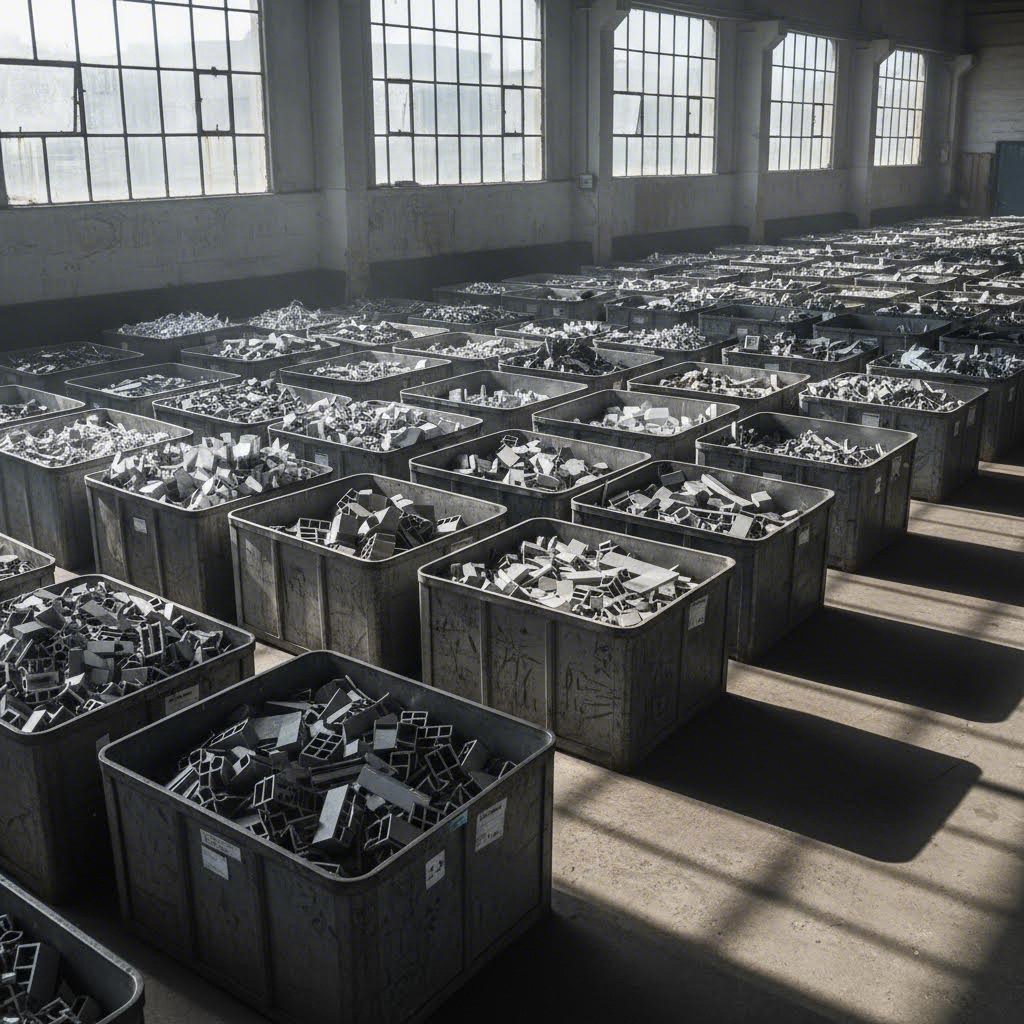
Here's something most extrusion buyers never consider: that aluminum profile you're purchasing today will retain significant value even after decades of service. Unlike materials that depreciate to near-zero, aluminum scrap prices make end-of-life recovery a meaningful factor in your total cost of ownership calculation. Understanding what's the scrap price of aluminum—and how different grades command different premiums—transforms how you think about extrusion investments.
According to industry research, aluminum producers across the industry pay over $800 million annually for recycled and scrap material. This isn't a niche market—it's a fundamental part of how the aluminum economy functions. Even more compelling: recycling scrap aluminum requires only 5% of the energy used to produce new aluminum from raw ore. This energy efficiency drives strong, consistent demand for quality extrusion scrap.
When you hear terms like "Clean 10/10" thrown around in scrap yard discussions, do you actually know what that means? Most buyers don't—and that knowledge gap costs them money. The "10/10" classification refers to extrusion scrap that meets strict cleanliness standards: minimal contamination, no mixed alloys, and surfaces free from excessive paint, anodizing, or other coatings.
According to current market data from ScrapMonster, Clean 10/10 aluminum extrusion scrap trades at approximately $0.60 per pound in U.S. scrap yards—a national average that remains relatively consistent across regions. This represents a significant recovery value compared to the $1.17+ per pound you might pay for new material.
The Institute of Scrap Recycling Industries (ISRI) establishes standardized codes that determine how your scrap gets classified and priced. Here are the common aluminum extrusion scrap grades you'll encounter:
Notice the pattern? Cleanliness equals value. The same principle applies when you're comparing scrap steel rate differentials or evaluating stainless steel scrap price variations—contamination always drives down recovery values across metal categories.
Imagine you're specifying 500 pounds of 6063 aluminum extrusion for a commercial storefront project. At current rates, you might pay around $1.20 per pound including fabrication premiums—a total investment of $600. Fast forward 25 years when those profiles reach end of life. If you've maintained the material in clean, uncontaminated condition, you could recover $0.60 per pound or roughly $300 in scrap aluminum price per pound value.
That 50% value retention after decades of service is remarkable compared to most building materials. It's also why aluminum's infinite recyclability isn't just environmental marketing—it's a genuine economic advantage that affects project lifecycle costs.
Several factors determine how much of your original investment you'll recover:
The recycling process itself reinforces why clean scrap matters. According to recycling industry documentation, the process involves collection, sorting, shredding, cleaning, melting in reverberatory furnaces, purification, and finally casting into new ingots. Each contamination issue—mixed alloys, coating residues, foreign materials—requires additional processing steps that reduce the scrap's economic value.
Here's a perspective that changes how smart buyers evaluate extrusion purchases: when comparing aluminum extrusion prices from different suppliers, consider the full lifecycle. A slightly more expensive profile that uses standard alloys and minimal coatings might actually cost less over 20-30 years when you factor in superior scrap recovery value. This total-cost-of-ownership thinking separates sophisticated procurement from simple price shopping.
The environmental case strengthens the economic argument. Aluminum is 100% recyclable and sustains zero loss of chemical properties or quality during the recycling process. This means your extrusion scrap can be recycled repeatedly—theoretically infinitely—while maintaining the same performance characteristics as virgin material. Few materials offer this combination of economic and environmental sustainability.
Understanding scrap grades and recovery values completes one side of your pricing knowledge. But before that aluminum reaches your facility, you'll need to navigate another cost factor that catches many buyers off guard: the significant impact of sourcing location and logistics on your total landed cost.
That attractive per-pound quote from an overseas supplier looks like a bargain—until you calculate the real number. Regional pricing variations and logistics costs can add 20-50% to your base extrusion price, turning what seemed like cheap aluminum extrusion into an unexpectedly expensive procurement decision. Understanding these hidden factors separates buyers who get genuine value from those who simply chase the lowest quoted price.
Here's the reality: the price printed on a supplier's quote represents just the starting point. According to DCL Corporation's supply chain analysis, total landed cost follows this formula: product cost + shipping + customs + risk + overhead. Each component can significantly shift your actual expense, and overlooking even one factor can wreck your project budget.
When searching for aluminum extrusions for sale, you'll encounter a fundamental choice: domestic production versus imported material. Each path carries distinct cost profiles that extend well beyond the quoted unit price.
Domestic sourcing advantages include faster lead times, easier communication, consistent quality standards, and simplified logistics. According to Paramount Extrusions' sourcing guide, domestic suppliers typically deliver faster turnaround with reduced shipping complexity—critical factors when project timelines are tight or design changes occur mid-production.
International sourcing often presents lower base material costs, particularly from Asian manufacturers. However, the June 2025 tariff increase from 25% to 50% on certain imported aluminum extrusions has dramatically shifted this calculation. According to Orange Aluminum's market update, this tariff escalation reignited price pressures across U.S. aluminum markets, making domestic options increasingly competitive.
Consider these key factors when evaluating domestic versus overseas aluminium extrusions for sale:
Interestingly, some buyers looking for quick solutions at retail outlets like aluminum extrusion Lowes or Lowes extruded aluminum stock discover that big-box retailers serve emergency needs but rarely offer competitive pricing for volume purchases. These retail channels work for prototyping or small repairs, not production-scale procurement.
The gap between quoted price and actual cost catches many buyers off guard. DCL Corporation's analysis reveals commonly overlooked expenses that inflate your true aluminum extrusion investment:
Customs and duties add predictable but significant costs. Beyond the headline tariff rate, you'll encounter:
Risk costs represent the premium you pay—directly or indirectly—for supply chain uncertainty. Quality issues discovered after delivery, replacement shipments for damaged goods, and project delays from late arrivals all carry real dollar impacts. One supplier's pricing analysis suggests risk can add $5 per unit to landed cost calculations.
Overhead expenses include inventory carrying costs, warehousing, quality inspection, and administrative time managing complex international transactions. These costs typically add $1-2 per unit even for straightforward procurement.
Here's a practical framework for calculating true total cost on your next cheap aluminium extrusion purchase:
Using this framework, a $4.00 quoted price can easily become $8.50-$10.50 landed cost—more than double the initial quote. Suddenly that domestic supplier quoting $6.50 per unit with straightforward delivery looks like the better value.
The rule of thumb from Paramount Extrusions applies here: for high-volume, long-lead projects where cost is the primary driver and you can absorb extended timelines, international sourcing may still pencil out. For time-sensitive needs, custom profiles requiring design iteration, or when quality consistency matters most, domestic production often delivers superior total value despite higher quoted prices.
Understanding your true landed cost positions you to negotiate effectively with suppliers. But getting accurate quotes in the first place requires knowing exactly what information to provide and what questions to ask—skills that separate sophisticated buyers from those who leave money on the table.
You've done the research on alloys, finishes, and total landed costs—now comes the moment of truth. Getting accurate extrusion aluminum prices depends entirely on how well you communicate your needs to suppliers. Vague specifications lead to padded quotes and unwelcome surprises. Detailed requests generate competitive pricing and smoother projects. The difference between buyers who overpay and those who buy aluminum extrusion at fair market value often comes down to RFQ preparation.
According to Shengxin Aluminum's procurement guidance, a clear, detailed RFQ is your best tool for getting fast, accurate, and comparable proposals. When suppliers can use their aluminum extrusion profile catalog to match your needs efficiently, you minimize back-and-forth and receive realistic pricing from the start.
Imagine submitting an RFQ that simply says "need aluminum channels, 500 pieces." What alloy? What dimensions? What finish? What tolerance? Suppliers facing incomplete information either decline to quote or add significant contingency padding to cover unknowns. Neither outcome serves your interests.
Here's a proven checklist for preparing a comprehensive RFQ when you're ready to buy extruded aluminum:
When deciding where to buy aluminum extrusion, request quotes from multiple suppliers using identical specifications. This creates true apples-to-apples comparisons and reveals which vendors offer genuine value versus inflated pricing.
Once quotes arrive, negotiation begins—but effective negotiation means more than simply asking for a lower number. Smart buyers leverage multiple factors to improve their position:
Volume commitments represent your most powerful lever. According to Gabrian International's cost analysis, die and tooling costs spread across production volume significantly impact per-piece pricing. Committing to larger quantities—or providing blanket order agreements covering multiple releases—often unlocks substantial discounts. Many manufacturers refund tool costs if you purchase stipulated amounts within two years.
Payment terms offer another negotiation avenue. Suppliers value cash flow certainty. Offering faster payment (net 15 versus net 60) or larger deposits may secure better unit pricing. Conversely, extended terms typically cost you through embedded financing charges.
Relationship building matters more than many buyers realize. According to Lincoln Plastics' supplier evaluation guide, keeping lines of communication open with your supplier nurtures strong working relationships that help tackle issues and ensure both parties stay committed. Long-term partnerships often yield preferential pricing, priority scheduling, and engineering support that transactional buyers never access.
Standard versus custom profiles presents a critical decision point. When you extrude aluminum in custom shapes, you're paying for die development, sampling, and amortized tooling. Standard profiles from existing dies eliminate these costs entirely. Before committing to aluminum extrusion custom development, verify that no standard profile meets your requirements—the savings can be substantial.
Watch for these red flags when evaluating quotes from suppliers offering extruded aluminum for sale:
The most effective negotiators approach suppliers as potential partners rather than adversaries. Understanding that suppliers need profitable relationships to invest in equipment, training, and quality systems helps you find mutually beneficial arrangements. Armed with detailed specifications and realistic expectations, you're positioned to secure fair pricing while building relationships that deliver value across multiple projects.

You've mastered the pricing fundamentals—now comes the decision that determines whether that knowledge translates into actual savings. Selecting where to buy extruded aluminum isn't simply about finding the lowest quote. The supplier you choose becomes a partner whose capabilities, consistency, and support directly impact your project outcomes for years to come. Get this decision right, and you'll wonder why procurement ever felt complicated. Get it wrong, and you'll spend months untangling quality issues, missed deadlines, and hidden costs.
According to AlCircle's industry research, selecting the right extrusion supplier requires careful consideration of multiple factors beyond price—prioritizing experience, manufacturing capabilities, and quality control measures ensures final products meet your specifications and industry standards. This holistic evaluation separates buyers who build successful long-term partnerships from those stuck in an endless cycle of supplier switching.
When comparing wholesale aluminum extrusions from different suppliers, resist the temptation to jump straight to the bottom-line number. The cheapest quote often becomes the most expensive choice when quality issues surface or delivery timelines slip. Instead, evaluate potential partners across these critical dimensions:
Interestingly, buyers often start their search at familiar sources. Some check misumi extruded aluminum catalogs for standardized profiles, while others explore mcmaster carr aluminum extrusion options for quick-ship industrial components. These distributors serve specific needs well—particularly for standard aluminum extrusion channel shapes or common extruded aluminum sizes—but custom projects typically require direct manufacturer relationships that offer engineering support and cost optimization opportunities distributors can't match.
For specialty applications like round aluminum extrusion or complex multi-void profiles, manufacturer capability becomes especially critical. Not every extruder can produce every shape—press tonnage, die design expertise, and cooling system capabilities all limit what's achievable. Verify that your potential supplier has successfully produced profiles similar to your requirements before committing.
The best supplier relationships evolve beyond transactional ordering into genuine partnerships where both parties invest in mutual success. According to Coolmosa's manufacturing overview, vertically integrated manufacturers streamline the production process, making it more efficient, flexible, and stable—whether for large-scale production or small-batch custom orders.
Consider what comprehensive capability looks like in practice. Shengxin Aluminium exemplifies the full-service approach with 35 extrusion presses ranging from 600T to 5500T, covering everything from precision architectural profiles to heavy industrial components. Their end-to-end support spans die development through mass production, with in-house surface treatments including anodizing (available in custom colors like Champagne and Rose Gold), powder coating, and PVDF—the same value-added services that significantly affect total project cost as we explored earlier.
Factory-direct pricing from integrated manufacturers typically delivers better value than trading companies or distributors who add margin without adding capability. When the same facility handles extrusion, CNC machining, and surface finishing, you eliminate coordination headaches between multiple vendors while maintaining quality consistency across all operations.
To maximize value from your extrusion partnership, focus on these relationship-building strategies:
According to Aluphant's research, lead time reliability often serves as the most practical indicator of supplier capability. Typical benchmarks include 10-20 days for die manufacturing, 7-15 days for extrusion production, and 5-10 days for surface finishing—totaling 4-6 weeks for standard projects. Suppliers consistently meeting these timelines demonstrate the process control and planning discipline that translates to reliable quality.
The aluminum extrusion market offers countless options for where to buy extruded aluminum—from local jobbers to global manufacturers, from catalog distributors to custom fabricators. The right choice depends on your specific needs: volume requirements, customization complexity, quality standards, and relationship expectations. What remains constant is that informed buyers who evaluate suppliers comprehensively, negotiate strategically, and invest in partnerships consistently achieve better outcomes than those who simply chase the lowest quoted price.
Your journey through extrusion aluminum prices has covered everything from LME benchmarks to scrap value recovery, from alloy selection to surface finishing economics. Armed with this knowledge, you're positioned to make procurement decisions that optimize total cost of ownership—not just purchase price—while building supplier relationships that deliver value across your entire product lifecycle.
Clean 6063 aluminum extrusion scrap (classified as TATA grade) currently trades around $0.60-$0.62 per pound in U.S. scrap yards. This premium pricing applies to uncontaminated architectural scrap from window frames and door profiles. Painted or contaminated extrusions receive lower prices due to additional processing required before remelting.
The LME aluminum benchmark currently sits around $2,987 per metric ton, translating to approximately $1.17 per pound before regional premiums. However, actual extrusion prices range from $2.50-$4.50 per kilogram depending on alloy grade, fabrication complexity, and surface finishing requirements. The Midwest Premium adds approximately $0.77 per pound for U.S. buyers.
Five primary components determine your final quote: base aluminum cost tied to LME rates (60-75% of total), fabrication premiums covering press operation and labor, die and tooling costs ($400-$2,000 for custom profiles), surface finishing treatments ($0.10-$1.00+ per kg), and minimum order requirements. Volume commitments significantly reduce per-unit costs by spreading fixed expenses across more pieces.
Submit detailed RFQs including complete CAD drawings with tolerances, specified alloy and temper requirements, surface finish expectations with color references, cut lengths and machining needs, required certifications, and annual volume projections. Providing comprehensive specifications upfront eliminates supplier guesswork and contingency padding, resulting in more competitive and comparable pricing.
While imported extrusions may show lower base prices, the 50% tariff on certain imports, shipping costs, customs fees, and risk factors can double landed costs. Domestic suppliers typically offer faster 3-6 week lead times versus 8-16 weeks internationally, easier communication, and consistent quality standards. Calculate total landed cost—including duties, freight, and overhead—before assuming overseas sourcing saves money.



 Onlineservice
 0086 136 3563 2360
 sales@sxalu.com
 +86 136 3563 2360
 Deutsch
 English
 français
 русский
 español
 português
 العربية
 ไทย
ไทย Việt
Việt Українська