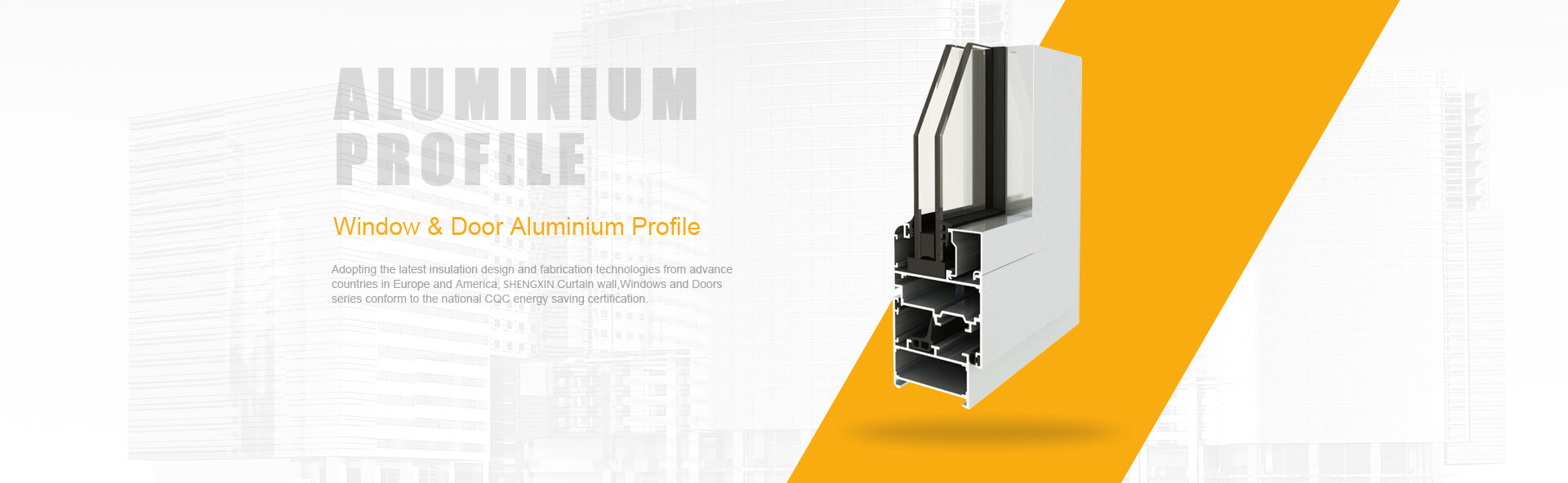
When you need an aluminum profile that simply doesn't exist on the shelf, where do you turn? This is exactly where custom aluminum extrusion companies become invaluable partners in modern manufacturing. But before you start reaching out to suppliers, it's essential to understand what makes this process unique and why it might be the right solution for your project.
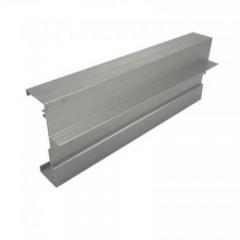
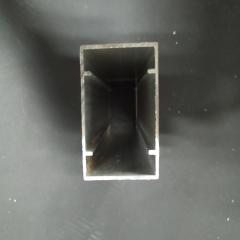
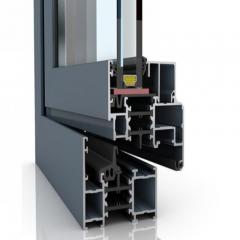
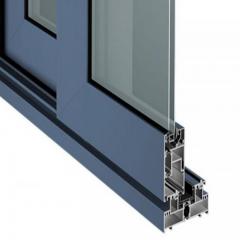
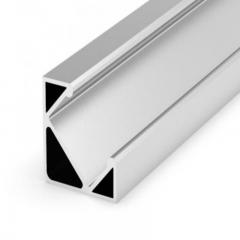
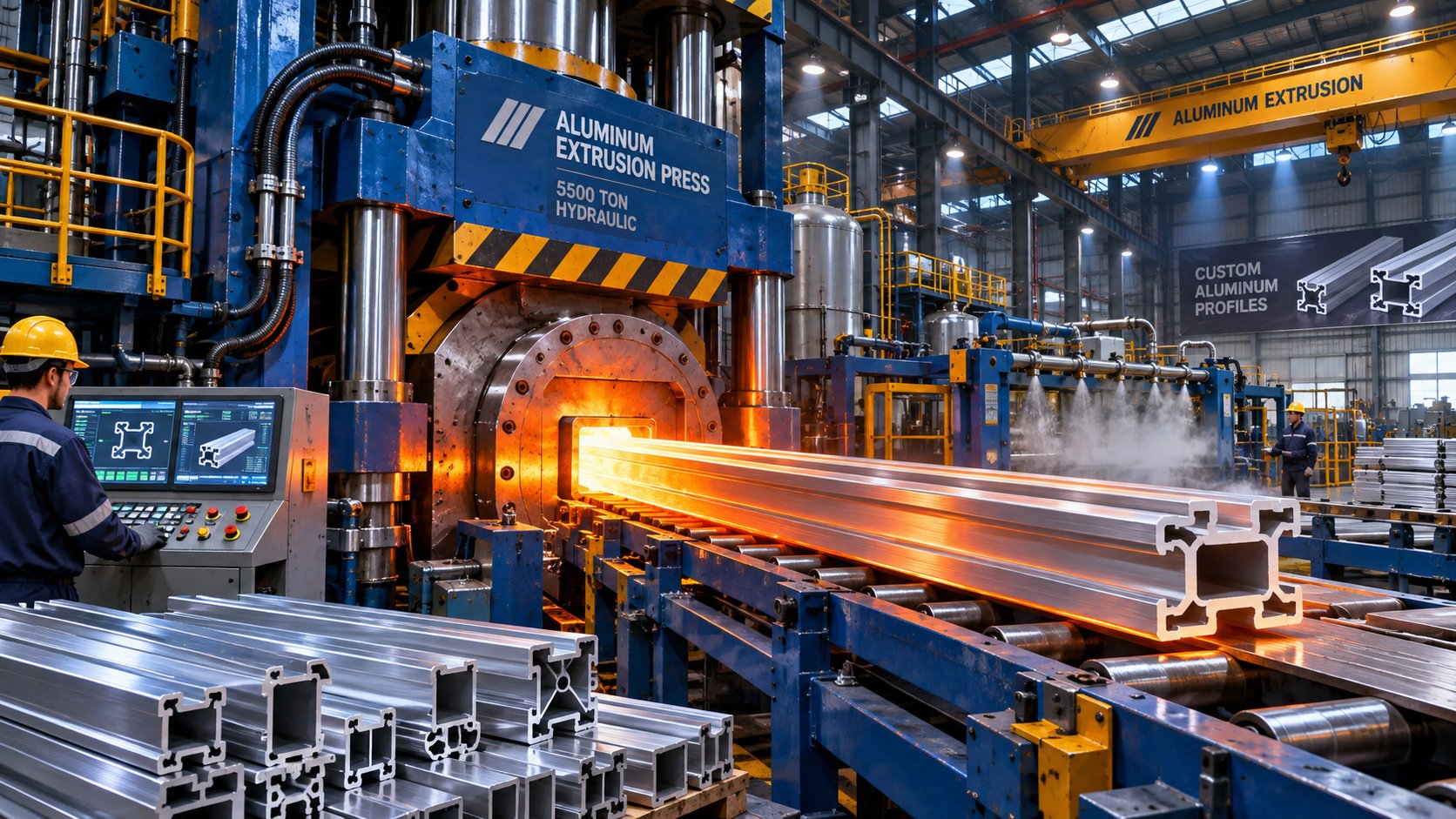
Custom aluminum extrusion involves forcing heated aluminum alloy through a specially designed die to create profiles with specific cross-sectional shapes tailored to your exact requirements. Unlike grabbing a standard tube or angle from a catalog, this process allows manufacturers to produce aluminum extrusion profiles with intricate geometries, varying wall thicknesses, and integrated features like grooves, holes, or slots.
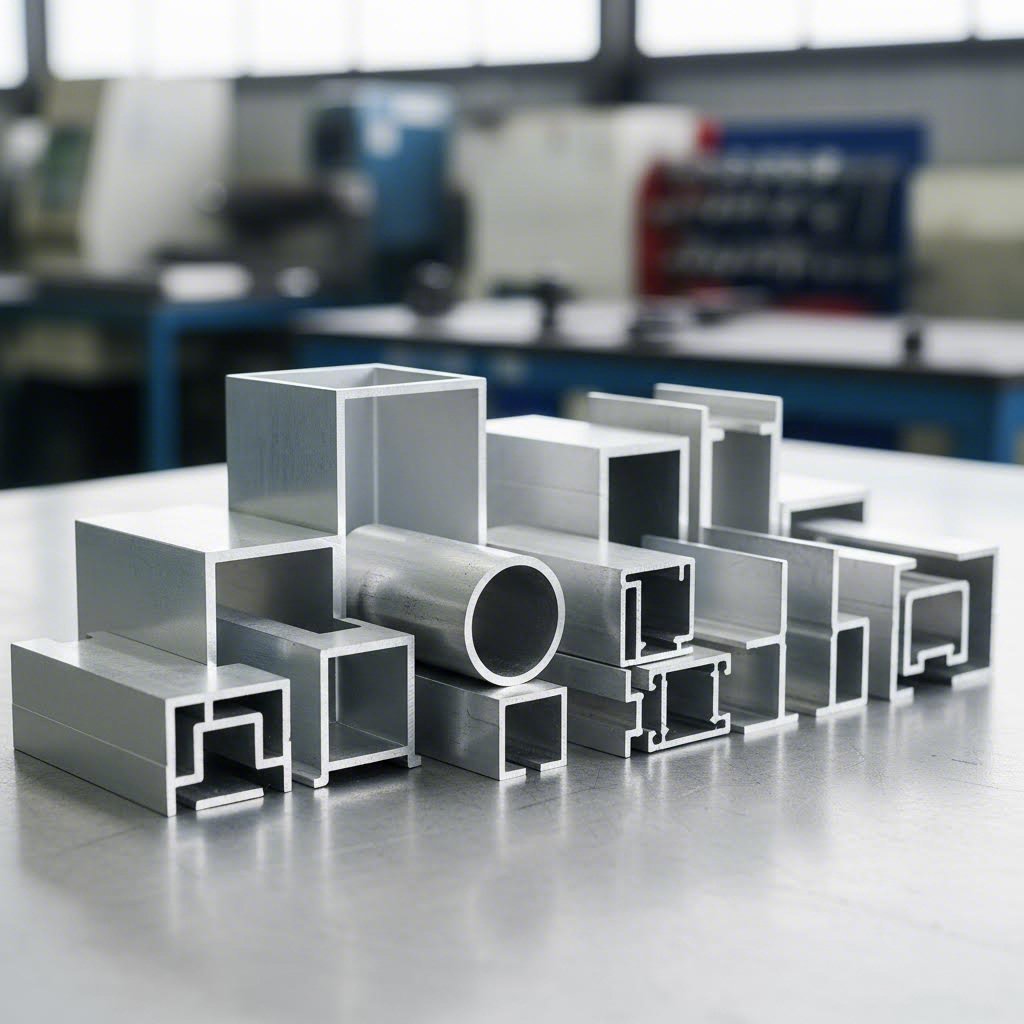
The fundamental difference between standard and custom extruded aluminum comes down to one word: specificity. Standard extrusions use pre-existing dies to produce basic shapes available off-the-shelf. You'll find common options like rectangular tubes, channels, and angles that work for general applications. However, when your design demands something unique, you need a profile aluminum solution crafted specifically for your application.
Custom aluminum extrusions enable the creation of complex cross-sectional designs that would be impossible with standard options. Imagine you're designing a heat sink that needs to dissipate heat in a very specific pattern, or an enclosure that must integrate seamlessly with other components. These scenarios require bespoke aluminium extrusion capabilities that standard profiles simply cannot deliver.
You might wonder if the additional investment in custom tooling is worth it. For many manufacturers, the answer is a resounding yes. Here's why businesses increasingly choose custom aluminum products over standard alternatives:
This article serves as your comprehensive buyer-focused guide to navigating the custom extrusion landscape. In the sections ahead, you'll discover how to select the right alloy, understand the die development process, evaluate potential suppliers, and ultimately make informed decisions that set your project up for success.
Now that you understand what makes aluminum extrusion custom, here's the next critical question: which alloy should you choose? This decision impacts everything from structural performance to surface finish quality, and making the right choice early saves both time and money down the road.
Pure aluminum lacks the mechanical properties needed for industrial applications. However, when alloyed with other metals like magnesium and silicon, it transforms into a versatile material suitable for demanding manufacturing environments. The 6000 series alloys dominate custom extrusion work because they offer an excellent balance of strength, corrosion resistance, and extrudability.
When discussing aluminum profiles with potential suppliers, you'll encounter several alloy options. The two most common choices for extruded aluminum profiles are 6061 and 6063, each excelling under specific circumstances.
6063 Aluminum earns the nickname "architectural aluminum" for good reason. This alloy delivers superior corrosion resistance, excellent surface quality, and responds beautifully to anodizing treatments. If your project involves window frames, door frames, sign frames, or any application requiring an attractive finish, 6063 is typically your best bet. It also handles intricate aluminum extrusion shapes exceptionally well due to its superior extrudability.
6061 Aluminum steps in when structural strength becomes the priority. With a Brinell hardness value of 95 compared to 6063's 73, this alloy supports applications like braces, frames, truck beds, trailers, and aerospace components. While its finishing response isn't as refined as 6063, it offers excellent machinability and weldability for demanding fabrication requirements.
Beyond these workhorses, specialty alloys serve niche applications:
Here's something many buyers overlook: not all aluminum alloys respond to heat treatment equally. The 6000 series alloys are heat-treatable, meaning you can enhance their mechanical properties through controlled heating and cooling processes. This matters because different temper designations like T4, T5, and T6 significantly affect the final product's strength and workability.
For example, 6061-T6 undergoes solution heat treatment and artificial aging, resulting in higher yield strength and fatigue resistance. Meanwhile, 6061-O represents the annealed condition with the lowest strength among all 6061 variations. Understanding these distinctions helps you specify exactly what your aluminum extruded shapes require.
| Alloy Type | Strength Rating | Corrosion Resistance | Machinability | Best Applications |
|---|---|---|---|---|
| 6063 | Moderate | Excellent | Good | Architectural profiles, window frames, doors, signage, lighting fixtures |
| 6061 | High | Good | Excellent | Structural components, aerospace, truck trailers, heat sinks, manifolds |
| 6005/6105 | High | Good | Good | Ladders, platforms, marine applications, building construction |
| 6463 | Moderate | Good | Good | Decorative trim, shower enclosures, picture frames, automotive accents |
| 7075 | Very High | Moderate | Fair | Aerospace structures, defense components, high-stress applications |
When evaluating custom aluminum extrusion companies, don't hesitate to ask pointed questions about alloy selection. A knowledgeable supplier will help you match extrusion shapes to your specific performance requirements, considering factors like mechanical strength, environmental exposure, post-extrusion processing, and tolerance specifications. This collaborative approach ensures your custom aluminum profile delivers exactly the performance your application demands.
You've selected your alloy, and your design is taking shape. Now comes a phase that often catches first-time buyers off guard: the custom extrusion die development process. This critical step transforms your concept into a physical tool that will shape every single profile you order. Understanding how aluminium extrusion dies are created, what they cost, and who owns them helps you budget accurately and avoid surprises.
Think of the die as the heart of your custom profile extrusion project. It's a hardened steel disc with a precisely machined opening that matches your profile's cross-section. When heated aluminum billet is forced through this opening under tremendous hydraulic pressure, it emerges in your exact specified shape. The precision of this tool directly determines the quality of every piece produced.
So what actually happens between submitting your drawing and receiving your first custom extrusion samples? The journey follows a structured sequence that typically spans several weeks, depending on complexity and supplier workload.
For straightforward profiles, expect this process to take three to six weeks. However, custom profile extrusions with intricate geometries, tight tolerances, or asymmetrical features may require additional development time.
Here's where many buyers need clarity: how much does a custom die actually cost, and what happens to it after your project ends?
Die pricing varies significantly based on complexity. According to industry cost analyses, standard dies for common profiles are more affordable and sometimes shared among clients. Custom dies, however, require engineering time, hardened steel, and precision EDM machining. Complex shapes, asymmetry, and large profile diameters push costs higher. A simple die might cost a few hundred dollars, while intricate designs can reach several thousand.
Suppliers handle die costs differently. Some charge the full amount upfront as a one-time tooling fee. Others amortize the cost across your production runs, adding a small amount to each unit price. For example, a $2,000 custom die used over 10,000 parts adds only $0.20 to each piece. Which approach works better depends on your order volume and cash flow preferences.
Ownership arrangements deserve special attention. Always clarify these points before committing to a profile extrusion company:
Getting clear answers to these questions upfront prevents misunderstandings and protects your investment in tooling. A transparent supplier will address each point directly, helping you make confident decisions as you move from die development into surface finishing and secondary processing considerations.
With your alloy selected and die development process understood, you're ready to tackle the most consequential decision: choosing the right manufacturing partner. Finding reliable custom aluminum extrusion companies isn't simply about comparing quotes. It requires systematic evaluation of capabilities, quality systems, and operational reliability that will directly impact your project's success.
Imagine placing a significant order only to discover your supplier lacks the press capacity for your profile size, or worse, can't deliver on time because they outsource critical operations. These scenarios happen more often than you'd expect. A structured evaluation framework helps you avoid costly missteps and identify custom aluminum extruders who genuinely match your requirements.
Before requesting quotes, develop a prioritized checklist that covers the capabilities most critical to your project. Here's what experienced buyers evaluate first:
Different industries demand different levels of quality assurance. Here's a quick breakdown:
| Certification | Industry Focus | What It Verifies |
|---|---|---|
| ISO 9001 | General Manufacturing | Quality management systems, process control, continuous improvement |
| IATF 16949 | Automotive | Defect prevention, variation reduction, supply chain waste elimination |
| AS9100 | Aerospace | Safety, airworthiness, product conformity, reliability requirements |
| ITAR Registration | Defense | Compliance with International Traffic in Arms Regulations for military applications |
| ISO 14001 | Environmental | Environmental management practices, regulatory compliance |
For defense applications, ITAR registration is non-negotiable. Certified aluminum suppliers for custom products in this space must demonstrate strict controls over technical data and manufactured components. Don't assume a supplier holds these credentials—always request documentation and verify current status.
Equally important as knowing what to look for is recognizing warning signs. Watch for these indicators during your evaluation:
Whenever possible, conduct site visits or request virtual facility walkthroughs. During your assessment, focus on these areas:
Request capability documentation before your visit, including equipment lists, certification copies, and quality control procedures. This preparation helps you ask informed questions and evaluate responses more effectively.
Armed with this evaluation framework, you're positioned to identify extrusion companies that genuinely align with your project requirements. The next consideration involves understanding how surface finishing options can enhance both the appearance and performance of your custom profiles.
Your custom profile has the perfect shape and the right alloy—but the job isn't finished yet. Surface finishing transforms raw aluminum extruded parts from functional components into products that resist corrosion, meet aesthetic requirements, and perform reliably in their intended environments. When evaluating custom aluminum extrusion companies, their finishing capabilities often determine whether you'll need additional suppliers or can streamline your supply chain.
Here's something worth keeping in mind: while aluminum naturally develops a thin protective oxide layer when exposed to air, this barrier alone won't hold up in demanding environments. Coastal installations, industrial settings with chemical exposure, or applications with significant temperature swings all require more robust protection. The finish you choose directly impacts both how your extruded profiles look and how long they'll perform.
Four primary finishing methods dominate the custom extrusion landscape, each offering distinct advantages depending on your priorities.
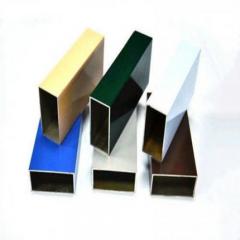
Anodizing remains the go-to process for many applications. This electrochemical treatment thickens aluminum's natural oxide layer, dramatically boosting corrosion and wear resistance. You can choose clear anodizing to showcase the metal's natural appearance, or opt for dyed finishes in colors like bronze, black, champagne, or gold. According to industry standards, Class I anodizing (0.7 mils or thicker) suits outdoor architectural applications, while Class II (0.4 mils minimum) works well for interior projects.
Powder coating delivers vibrant colors and excellent durability without the environmental concerns of liquid paints. The dry application process uses no solvents, making it virtually pollution-free. A technician applies electrostatically charged powder to your extruded aluminum trim, then cures it in an oven to create a uniform, scratch-resistant layer. The result? Brilliant colors that resist fading even after years of UV exposure.
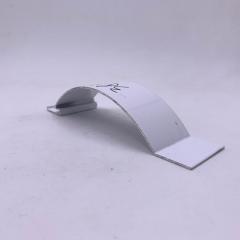
PVDF coating (polyvinylidene fluoride) represents the premium choice for architectural projects demanding exceptional weather resistance and color retention. This fluoropolymer coating meets stringent AAMA 2605 specifications for high-performance exterior applications. If you're specifying curved aluminum extrusion components for a building facade that must look pristine for decades, PVDF delivers that long-term performance.
Mechanical finishes alter the surface through physical methods rather than chemical treatments. Brushed finishes create linear textures that reduce glare and hide minor wear. Polished surfaces deliver mirror-like reflectivity for decorative applications. Bead-blasted finishes provide a smooth, matte appearance that's particularly forgiving in high-traffic areas.
Choosing the right finish comes down to understanding where your aluminium extrusion trim will live and work. Outdoor applications face UV rays, moisture cycling, temperature extremes, and airborne pollutants. Indoor uses prioritize aesthetics, texture, and tactile qualities since environmental stresses are minimal.
For exterior aluminum cladding or panels near the ocean, anodizing with proper sealing or high-performance PVDF coatings provide the corrosion resistance needed to prevent premature degradation. Industrial environments with chemical exposure benefit from powder coatings formulated for chemical resistance. Interior applications like handrails and fixtures can often use decorative mechanical finishes or standard anodizing.
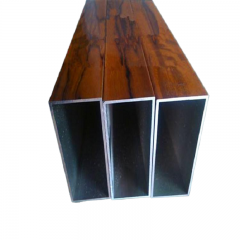
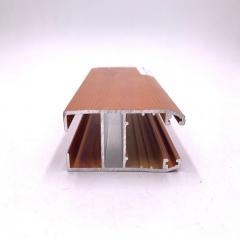
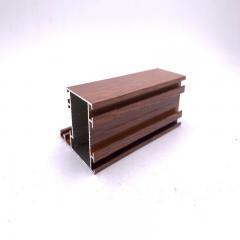
Specialty decorative options like wood-grain sublimation finishes deserve consideration when you want the warmth of natural materials without the maintenance. These transfer detailed patterns onto aluminum through heat and pressure, creating remarkably realistic wood appearances on your extruded aluminum trim that won't peel, chip, or require refinishing.
| Finish Type | Durability Rating | Color Options | Cost Level | Ideal Applications |
|---|---|---|---|---|
| Clear Anodizing | High | Natural metallic only | Moderate | Architectural profiles, structural components, heat sinks |
| Color Anodizing | High | Limited (bronze, black, gold, champagne) | Moderate-High | Window frames, curtain walls, decorative trim |
| Powder Coating | High | Virtually unlimited | Moderate | Outdoor furniture, automotive parts, consumer products |
| PVDF Coating | Very High | Wide range with custom matching | High | Building facades, exterior cladding, high-visibility architecture |
| Wood-Grain Sublimation | High | Various wood species patterns | Moderate-High | Residential siding, retail facades, interior accents |
| Mechanical (Brushed/Polished) | Moderate | N/A (natural aluminum) | Low-Moderate | Interior fixtures, signage, decorative hardware |
Custom color matching capabilities vary significantly between suppliers. Powder coating offers the greatest flexibility, with manufacturers able to match virtually any Pantone or RAL color. However, custom colors typically require minimum order quantities—often 500 pounds of powder or more—making them impractical for small production runs. Anodizing colors are more limited but deliver that distinctive metallic luster impossible to replicate with applied coatings.
When discussing finishes with potential suppliers, ask about their testing protocols. Reputable manufacturers subject finished extruded profiles to accelerated weathering tests, salt spray exposure (ASTM B117), and adhesion testing to verify performance before production runs. These quality measures ensure your finish will perform as expected throughout your product's service life, setting the stage for any additional fabrication services your project requires.
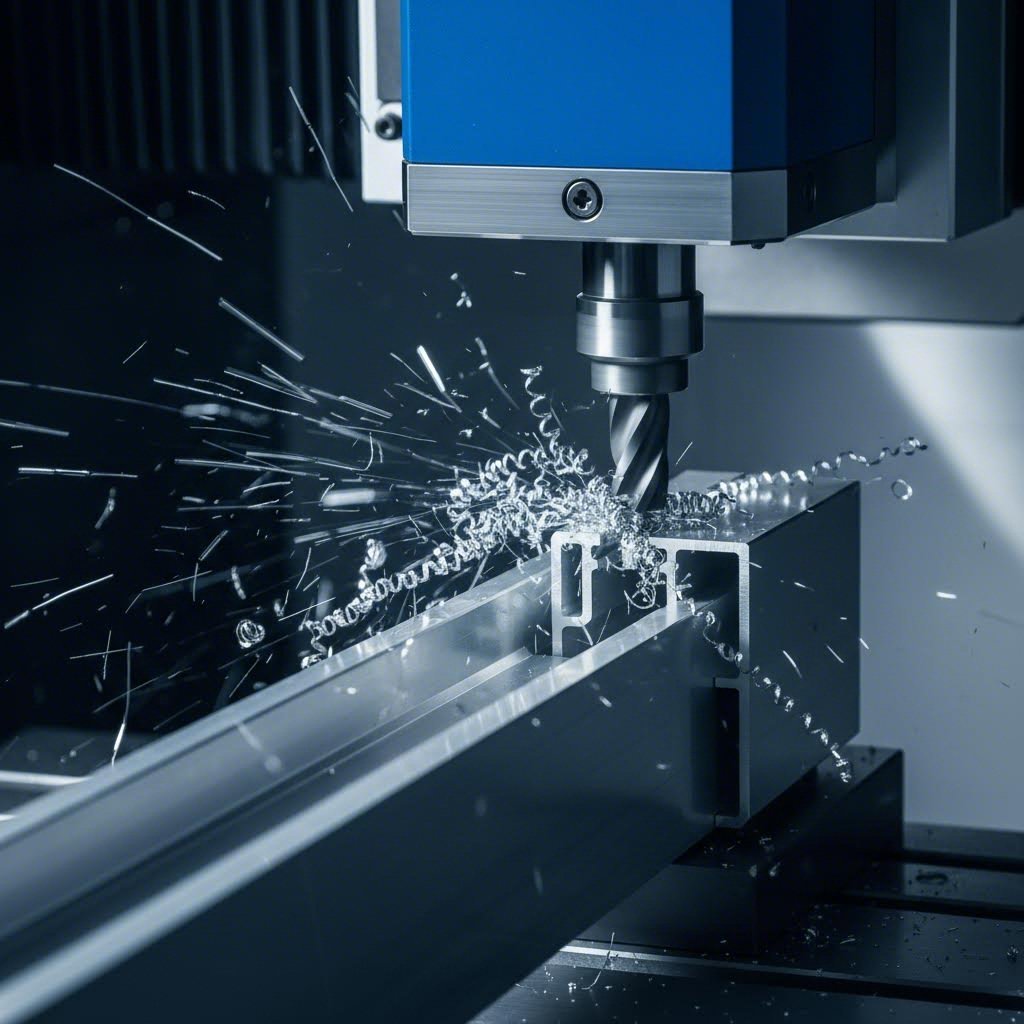
You've got the perfect aluminum extrusion profile with an ideal surface finish—but here's the reality: most applications require more than just a shaped piece of aluminum. Holes need drilling, ends require precise cutting, and complex geometries may demand CNC machining. This is where secondary processing transforms raw extrusions into ready-to-install components, and where your choice of supplier can dramatically simplify or complicate your manufacturing workflow.
Think about it this way: every time your extruded aluminum products move between facilities for additional operations, you're adding handling time, transportation costs, and opportunities for damage or quality variations. When an aluminum extrusion machine produces your profile and the same facility handles all downstream fabrication, you eliminate these friction points entirely.
Secondary operations encompass everything that happens to your aluminum extrusion profile after it exits the press and finishing lines. The range of services available from capable suppliers has expanded significantly, allowing buyers to source complete aluminum extrusion parts rather than raw profiles requiring external fabrication.
Here are the most common secondary operations and their specific benefits:
The technical advantages compound when these operations occur sequentially under one roof. Leading manufacturers report that integrated processing improves tolerances because profiles don't require re-fixturing between operations, and their engineers can optimize machining sequences specifically for extruded geometries.
Not every project benefits equally from single-source fabrication. Understanding when integration matters most helps you allocate your sourcing efforts appropriately.
Integrated services deliver the greatest value when your extruded aluminum parts require multiple fabrication steps. Consider a heat sink profile that needs precision cutting to length, CNC machining for mounting features, and threaded holes for component attachment. Coordinating three separate vendors for these operations introduces scheduling delays, quality variations between suppliers, and administrative overhead managing multiple purchase orders.
Volume also influences this decision. High-volume production runs justify the efficiency gains from streamlined processing, while prototype quantities might not warrant the coordination effort. However, even for prototypes, single-source fabrication often accelerates time-to-market by eliminating inter-facility transfers.
Tolerance requirements matter significantly. When your specifications demand tight dimensional relationships between extruded features and machined elements, processing everything in one facility ensures consistent measurement references and eliminates stacking tolerances from multiple setups.
Projects requiring multiple fabrication operations, tight tolerances, or rapid turnaround benefit most from integrated processing capabilities.
Companies like Shengxin Aluminium exemplify this integrated approach, operating state-of-the-art CNC machining centers alongside their extrusion presses. Their deep processing services include precision cutting, drilling, and bending—all performed in-house to maintain quality control from die development through finished aluminum extrusion parts. This end-to-end capability, backed by over 30 years of experience, demonstrates how established suppliers structure their operations to reduce customer supply chain complexity.
When evaluating potential partners, ask specifically about their fabrication equipment. Modern facilities typically operate multiple CNC machines with varying capabilities—some optimized for high-speed drilling, others for complex 3D milling. The presence of 4th-axis or 5th-axis machining centers indicates advanced capabilities for processing profiles on multiple faces without repositioning, which improves both accuracy and throughput.
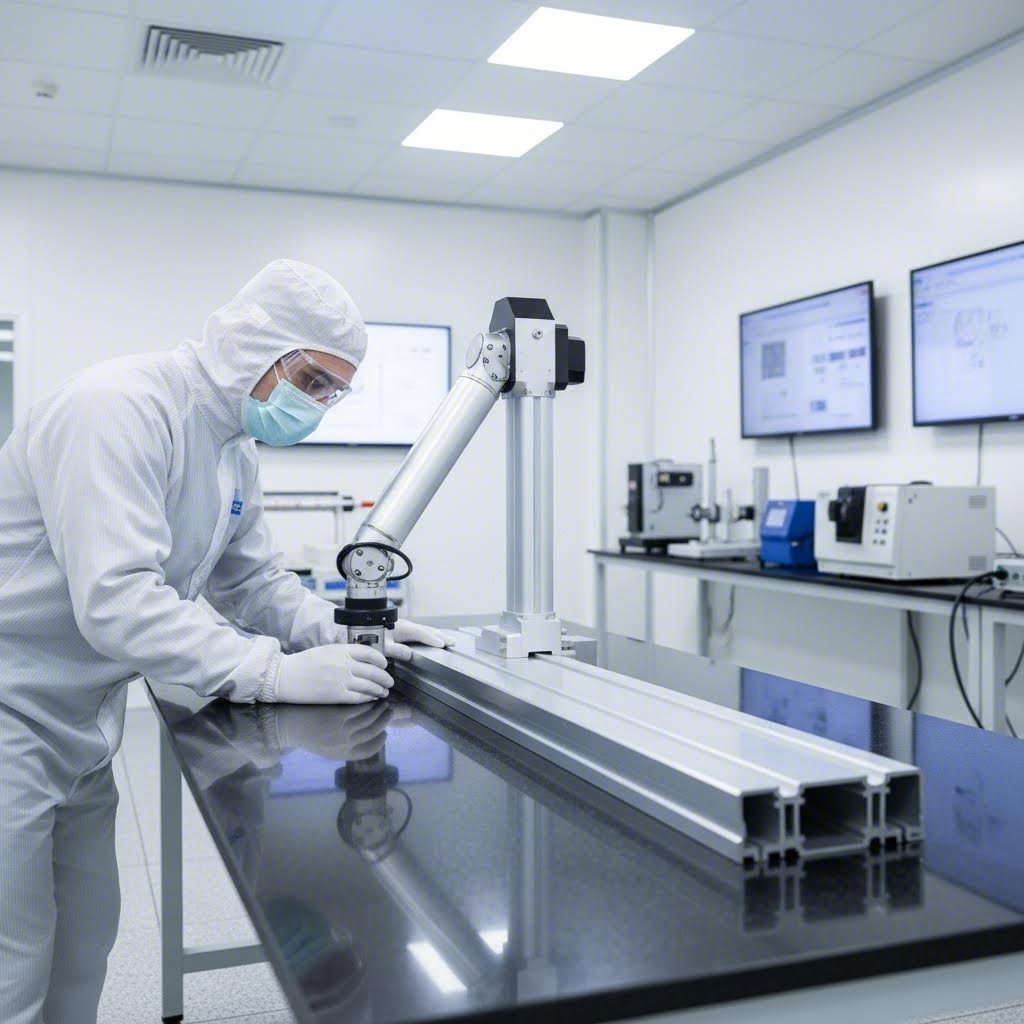
Quality systems extend to secondary operations as well. First-article inspection reports (FAIR), in-process dimensional checks, and final verification ensure your extruded aluminum products meet specifications before shipping. Suppliers investing in coordinate measuring machines (CMMs) and optical inspection equipment demonstrate commitment to consistent quality across both extrusion and fabrication processes.
The financial case for integrated processing often surprises buyers. While per-unit fabrication costs might appear similar between dedicated machine shops and integrated extruders, the total cost of ownership—including freight, handling, inventory carrying costs, and quality management overhead—typically favors the single-source approach. Add in faster lead times and simplified communication, and the operational benefits become compelling for most custom extrusion projects.
Understanding these fabrication capabilities prepares you to evaluate how different industries leverage custom extrusions for their specific applications, each with unique processing requirements and quality standards.
You've learned how to evaluate suppliers and understand fabrication capabilities—but here's where the rubber meets the road: how do specific industries actually use custom aluminium extrusion profiles? Each sector brings unique demands, from architectural aesthetics to aerospace precision, and understanding these requirements helps you communicate more effectively with potential suppliers while ensuring your specifications align with industry standards.
The aluminum profile extrusion process delivers remarkable versatility, which explains why extrusion products appear in virtually every manufacturing sector. However, what works for a decorative storefront won't necessarily meet the demands of a crash-critical automotive component. Let's explore how major industries leverage custom extrusions and what that means for your project specifications.
Different industries operate under distinct regulatory frameworks, quality expectations, and performance criteria. The aluminium extrusion industry has evolved to meet these varied demands through specialized alloys, tailored processing techniques, and industry-specific certifications.
Architectural and Construction Applications
Building and construction represents the largest market for extrusion aluminum products, consuming roughly 40% of all extruded profiles according to industry data from the Aluminum Extruders Council. These applications prioritize aesthetics, corrosion resistance, and thermal performance alongside structural requirements.
Architectural extrusions must meet AAMA (American Architectural Manufacturers Association) specifications for finish durability and thermal performance. Projects in coastal environments or with aggressive exposure conditions typically require Class I anodizing or AAMA 2605 coating specifications.
Industrial Automation and Equipment
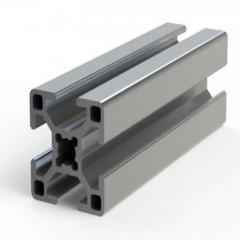
Manufacturing facilities rely heavily on modular aluminum framing systems for everything from workstations to machine guarding. The extrusion industry has developed standardized T-slot profiles that enable quick assembly without welding.
Industrial applications typically prioritize dimensional consistency and repeatability over aesthetic perfection. Tolerances remain important but focus on functional fit rather than visual uniformity.
Transportation and Automotive
Lightweighting initiatives have transformed the transportation sector into one of the fastest-growing markets for custom extrusions. Every pound eliminated from a vehicle translates to improved fuel efficiency, extended range for electric vehicles, or increased payload capacity.
Automotive applications demand IATF 16949 certification from suppliers, ensuring rigorous quality management throughout production. Aerospace aluminum extrusions face even stricter requirements under AS9100 standards, with full material traceability and extensive documentation.
Electronics and Thermal Management
Aluminum's excellent thermal conductivity makes it ideal for heat dissipation applications. Custom extrusions dominate the heat sink market, where fin geometry directly impacts cooling performance.
Thermal applications often require specialized surface treatments to enhance emissivity or improve thermal interface performance. Suppliers serving this market typically offer post-machining services for mounting features and interface surfaces.
When you approach custom aluminum extrusion companies, your industry context significantly influences the design conversation. Understanding these relationships helps you communicate requirements more effectively and evaluate supplier expertise.
Tolerance Requirements Vary by Application
Architectural profiles typically work within standard Aluminum Association tolerances because aesthetic uniformity matters more than dimensional precision. A window frame doesn't need the same accuracy as an aerospace component—and specifying unnecessary precision adds cost without benefit.
Contrast this with aerospace aluminum extrusions, where tolerances may be held to half or even quarter of standard specifications. Components in flight-critical applications must maintain exact dimensions to ensure proper fit and structural performance. The Aluminum Extrusion Manual notes that special tolerances can be achieved when necessary, but require careful coordination between designer, die maker, and extruder.
Certification Requirements Reflect Industry Risk Profiles
The certification landscape maps directly to the consequences of component failure:
When evaluating suppliers, ensure their certifications align with your industry requirements. A supplier experienced in architectural extrusions may lack the quality systems needed for automotive production, regardless of their technical extrusion capabilities.
Material Selection Connects to Performance Demands
Different industries favor different alloys based on their specific performance priorities:
Your industry context shapes every aspect of the custom extrusion specification—from alloy selection and tolerance requirements to surface finish and quality documentation.
As the extrusion industry continues evolving, suppliers increasingly specialize in specific sectors, developing deep expertise in particular application types. This specialization benefits buyers who can identify suppliers with genuine experience in their market. A company with extensive automotive program experience understands PPAP documentation requirements, while an architectural specialist knows AAMA testing protocols intimately.
With this understanding of how industry demands shape extrusion specifications, you're better positioned to discuss pricing factors and budget optimization strategies that align with your specific application requirements.
You've identified your ideal supplier and understand the technical requirements—now comes the question that shapes every procurement decision: what will this actually cost? Custom aluminum extrusion cost structures often confuse first-time buyers because quotes can vary dramatically between suppliers for seemingly identical profiles. Understanding what drives these price differences empowers you to budget accurately and negotiate effectively.
Here's the reality: aluminum extrusion manufacturing involves multiple cost components that compound in ways that aren't immediately obvious. A quote isn't just a number—it's the sum of raw materials, tooling investments, processing complexity, finishing requirements, and volume economics. When you understand each component, you shift from simply accepting prices to strategically optimizing your project budget.
Every custom extrusion quote reflects several interconnected factors. According to industry cost analyses, raw material billet price represents the largest single variable, often comprising 60-75% or more of the total cost for many profiles. But that's just the starting point.
Here are the primary cost drivers, ranked by their typical impact on your final price:
Minimum order quantities (MOQs) represent one of the most variable aspects of custom extrusion pricing. Most extruders establish minimums—often 1,000 to 2,000 pounds per shape—to ensure production runs justify setup and handling costs. However, these thresholds differ significantly between suppliers.
Smaller presses can sometimes accommodate lower quantities more economically. As the Aluminum Extruders Council notes, extruders with smaller diameter presses can handle smaller order sizes when the press can accommodate your profile's circle size. Smaller billets mean less expensive tooling and less aluminum per extruded push.
When your project requires small aluminum extrusions in limited quantities, discuss alternatives with potential suppliers. Some offer minimum charge arrangements instead of strict quantity requirements, allowing prototype runs at a premium per-unit cost. Others may batch your order with similar profiles to achieve efficient press utilization.
Smart buyers don't just accept the first quote—they engineer their projects for cost efficiency from the design phase forward. Here are proven strategies for reducing custom aluminum extrusion cost without sacrificing quality:
When soliciting quotes from custom aluminum extrusion companies, provide complete information to ensure accurate, comparable pricing. Include detailed drawings with dimensions and tolerances, alloy specifications, finish requirements, anticipated annual quantities, and delivery schedule expectations.
Watch for these elements when comparing responses:
The lowest quoted price doesn't always represent the best value. Factor in quality consistency, lead time reliability, and total cost of ownership when making final supplier decisions.
Searching for cheap aluminium extrusion without considering these broader factors often leads to disappointing outcomes. Suppliers offering prices significantly below market typically compromise on material quality, tolerance control, or delivery reliability. Instead of pursuing the absolute lowest price, focus on identifying suppliers offering competitive pricing with demonstrated quality and service capabilities.
With a clear understanding of cost structures and optimization strategies, you're ready to navigate the final critical phase: managing the RFQ process and setting realistic timeline expectations for your custom extrusion project.

You've done your homework on alloys, finishes, and supplier evaluation—now it's time to put everything into motion. The request for quote (RFQ) process marks the transition from research to action, and how you approach it directly impacts both the accuracy of quotes you receive and the speed at which your project moves forward. Whether you're wondering where to buy aluminum extrusion or already have suppliers in mind, understanding this process helps you avoid common delays and miscommunications.
Here's what many buyers discover too late: an incomplete or unclear RFQ leads to quotes that don't match expectations, extended back-and-forth communication, and ultimately delayed production schedules. Taking time upfront to prepare a comprehensive quote package pays dividends throughout your entire project timeline.
Think of your RFQ as the foundation for every conversation that follows. Custom aluminum extrusions suppliers evaluate dozens of inquiries weekly, and the quality of information you provide determines how quickly and accurately they can respond.
A complete RFQ package should include:
According to industry buying guides, once specs are ready, buyers should expect suppliers to provide price quotes, delivery times, minimum order quantities, and preliminary drawings for confirmation. Requesting a sample or prototype is particularly useful for custom or complex profiles.
Custom extrusion aluminum projects follow a structured sequence of milestones. Understanding this progression helps you plan production schedules, coordinate with downstream operations, and set realistic expectations with stakeholders.
Where you source custom extrusions significantly impacts lead times, logistics complexity, and total project cost. Each approach offers distinct advantages worth evaluating against your specific requirements.
Domestic sourcing delivers faster turnaround, simplified communication across time zones, and reduced shipping complexity. According to industry data, domestic extruders routinely complete die development and initial production runs in three to eight weeks. Repeat orders can ship in as little as two weeks. This agility proves invaluable for product launches, design iterations, or just-in-time manufacturing strategies.
Overseas sourcing often provides cost advantages on high-volume, price-sensitive projects with predictable demand. However, buyers must factor in extended transit times, potential tariff exposure, and more complex quality verification processes. The total landed cost—including freight, duties, carrying costs, and risk buffers—sometimes eliminates apparent savings.
Many experienced buyers adopt a dual-source strategy: domestic suppliers handle urgent orders, prototypes, and smaller quantities while overseas partners manage steady, high-volume production. This approach balances cost efficiency with supply chain resilience.
The complexity of custom extrusion projects makes supplier experience and capabilities particularly valuable. Established manufacturers with comprehensive service offerings streamline the journey from concept to delivery.
Consider Shengxin Aluminium as an example of what to look for in a full-service partner. With over 30 years of experience in the aluminum extrusion supply chain, they operate 35 advanced extrusion presses ranging from 600T to 5500T capacity. Their factory-direct pricing model eliminates intermediary markups, while comprehensive capabilities—from die development through mass production and deep processing—mean buyers can source complete, fabrication-ready components from a single partner.
When evaluating custom aluminum extrusions suppliers, prioritize those demonstrating:
Ready to move forward with your custom extrusion project? Here's your action plan:
The difference between a smooth custom extrusion project and a frustrating one often comes down to preparation. Invest time upfront in specifications and supplier selection, and the production phase typically proceeds predictably.
Custom extrusion projects succeed when buyers approach them systematically—understanding alloy options, die development, supplier capabilities, finishing choices, and pricing structures before issuing that first RFQ. Armed with the knowledge from this guide, you're positioned to make informed decisions, ask the right questions, and partner with suppliers who genuinely match your project requirements. The result? Custom aluminum profiles that meet your specifications, arrive on schedule, and deliver the performance your application demands.
Custom aluminum extrusion involves forcing heated aluminum alloy through a specially designed die to create profiles with specific cross-sectional shapes tailored to exact requirements. Unlike standard extrusions that use pre-existing dies for basic shapes like rectangular tubes and channels, custom extrusions enable complex geometries, varying wall thicknesses, and integrated features such as grooves and slots. This process offers design flexibility, material efficiency, reduced assembly costs, and application-specific performance that stock options cannot provide.
Custom aluminum extrusion costs depend on multiple factors including raw material prices (60-75% of total cost), die tooling ($1,000-$4,000+ depending on complexity), profile complexity, order quantity, alloy selection, surface finishing, and secondary operations. Die costs are amortized across order volume—a $2,000 die adds only $0.10 per kilogram for 20,000 kg orders versus $1.00 for 2,000 kg orders. Suppliers like Shengxin Aluminium offer factory-direct pricing to help optimize budgets while maintaining quality standards.
The 6000 series alloys dominate custom extrusion work. 6063 aluminum is ideal for architectural applications requiring excellent surface quality and corrosion resistance. 6061 provides higher strength for structural applications like aerospace components and truck trailers. Specialty options include 6005/6105 for construction, 6463 for decorative trim with mirror-like finishes, and 7xxx series for demanding aerospace and defense applications requiring very high strength.
Typical custom extrusion timelines span 8-16 weeks from RFQ to delivery. Die development takes 3-6 weeks for standard profiles, with complex designs requiring up to 6 months. Trial runs and sample approval add 1-2 weeks, production runs require 2-6 weeks, and domestic shipping takes 1-2 weeks. International ocean freight averages 32-52 days. Established suppliers with comprehensive capabilities like multiple press sizes and in-house fabrication can often accelerate these timelines.
Essential certifications vary by industry. ISO 9001 provides baseline quality assurance for general manufacturing. Automotive applications require IATF 16949 certification emphasizing defect prevention. Aerospace components need AS9100 for safety and reliability controls. Defense applications require ITAR registration for compliance with arms regulations. Medical device components often need ISO 13485. Always request current certification documentation and verify supplier credentials match your specific industry requirements.



 Onlineservice
 0086 136 3563 2360
 sales@sxalu.com
 +86 136 3563 2360
 Deutsch
 English
 français
 русский
 español
 português
 العربية
 ไทย
 Việt
 Українська