If you have ever seen a material callout like 6061-T6 or 5052-H32, you were looking at two different pieces of information packed into one label. The alloy number identifies the chemistry, sometimes casually called the grade. The temper identifies the condition created after the metal is processed. People often blur those together, but aluminum temper is not the same thing as alloy composition.
Aluminum temper is the standardized label for the metal's condition after mechanical or thermal processing.
That simple definition covers a lot. In practice, aluminum temper meaning comes down to what happened after the alloy was made, such as annealing, cold working, solution heat treatment, quenching, or aging. Those steps change how the material behaves in manufacturing and in service. So when buyers ask why one sheet bends easily and another cracks, or why one bar machines better than another, temper is often part of the answer.
Think of alloy as the recipe and temper as the finishing method. The recipe sets the base character. A 5xxx alloy, for example, gets its general behavior from magnesium. A 6xxx alloy gets a different balance from magnesium and silicon. Temper then shifts the practical tradeoffs inside that alloy family. That is why aluminum temper codes appear after the alloy number. They summarize processing history, not chemistry.
Two pieces of the same alloy can feel like different materials because processing changes internal structure and residual stress. A softer condition may be better for deep bending or forming. A strain-hardened or heat-treated condition may raise strength and hardness. The same alloy can therefore show different formability, machinability, weld response, and even corrosion-related performance depending on its condition.
In other words, aluminum temper codes are a quick way to read processing history before you commit to a spec. The letters look small on a drawing, but they carry big consequences, and the logic behind those letters is where the decoding gets useful.
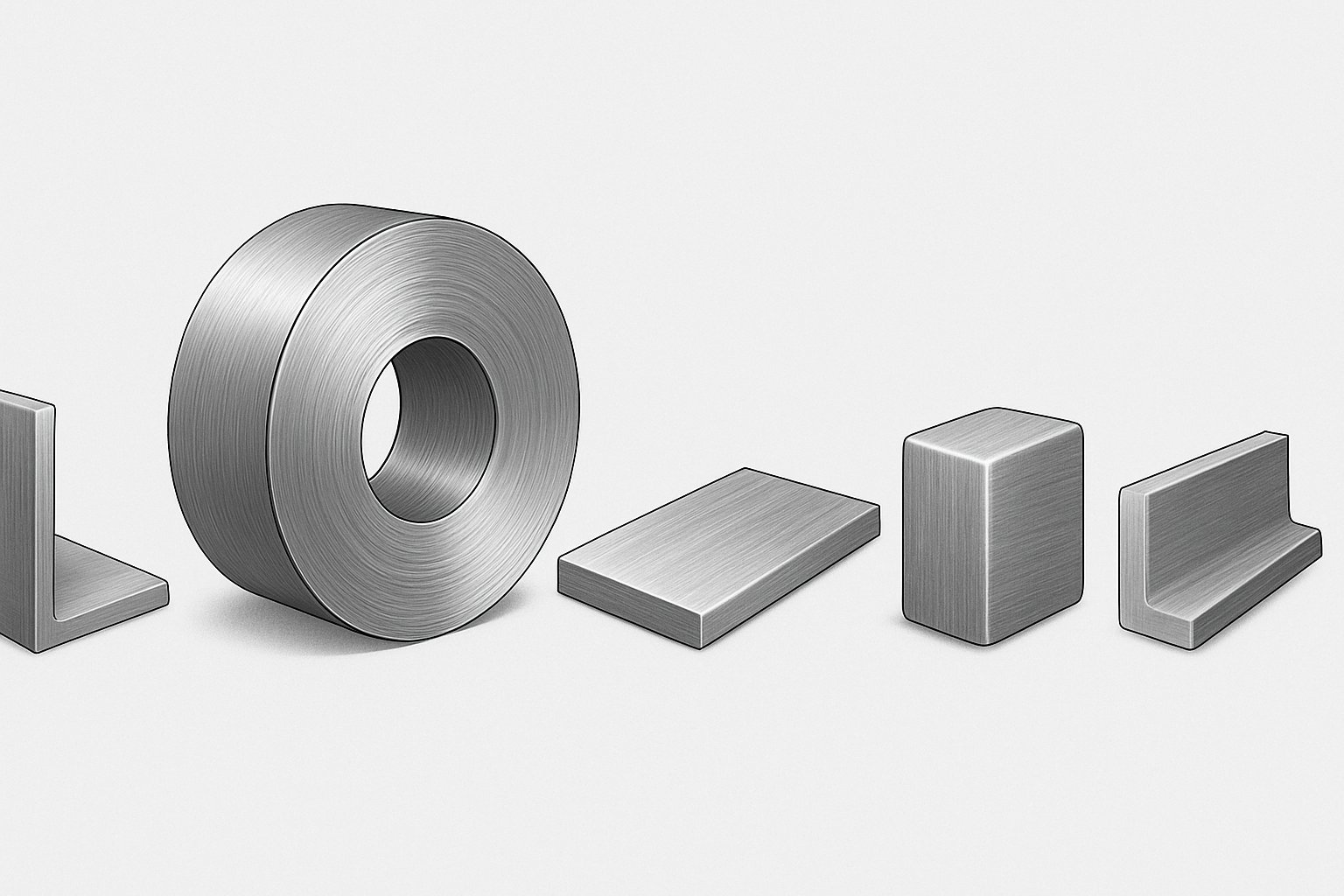
Those big consequences start with the first letter after the alloy number. Before you compare T6 to H32 or O to F, it helps to know what the letter family is trying to tell you. In the standard temper system summarized by ANSI H35.1 guidance, that first letter identifies the broad treatment route, not an exact property level.
Think of the letter as the category name for the metal's processing history. It answers a basic question first: Was this product left as fabricated, softened by annealing, strengthened by cold work, put into a temporary solution heat treated state, or thermally treated to reach a more stable set of properties?
| Temper family | Process route behind it | What it broadly suggests |
|---|---|---|
| F | As fabricated, with no special control of thermal treatment or strain hardening | General production condition, often semi-finished, properties not the main target |
| O | Annealed to the lowest-strength condition for that alloy | Maximum ductility, better workability and toughness, lower strength |
| H | Cold worked, or strain hardened, mainly at room temperature | Higher strength and hardness, lower ductility |
| W | Solution heat treated only, then naturally aging | Unstable transition state, rarely a final service temper |
| T | Thermally treated, typically involving solution heat treatment, quenching, and aging | Stable strength-focused condition for heat-treatable alloys |
If you see f temper aluminum on a listing, read it as as-fabricated. It may still be shaped further before final use. O temper aluminum is the annealed, soft condition. When buyers ask about aluminum o temper, they usually mean the most formable state for that alloy. Some searches use 0 temper aluminum, but the correct designation uses the letter O, not zero.
H tempers belong to strain-hardened material, which is especially important in non-heat-treatable alloys. W means solution heat treated but not yet stable. T covers thermally treated conditions used to develop final properties in heat-treatable alloys.
Alloy family still matters. Hydro's metallurgy overview notes that wrought 1xxx, 3xxx, and 5xxx alloys are generally non-heat-treatable, while 2xxx, 6xxx, and 7xxx are heat-treatable, and 4xxx can include both types. See Hydro. So the same letter does not create the same outcome across every series.
The letter gets you into the right neighborhood. The digits that follow decide the exact address.
The letter gets you into the right neighborhood. The digits do the finer sorting. That is where many reading mistakes begin, because H14, H32, T4, T5, and T6 are often treated like simple strength rankings. They are not. In the designation system outlined by Edcon Steel, the numbers tell you more about the processing route or the specific condition inside that letter family.
Start with the first letter. H means strain hardened, so the alloy gained strength through cold work rather than through a heat-treat cycle. From there, the suffix narrows the condition. In practical shop terms, h14 temper aluminum usually signals a balanced sheet condition rather than a maximum-strength one. Action Stainless describes H14 as medium strength with good formability, which is why it shows up in light forming and general sheet work. H32 is still workable, but it is commonly treated as a somewhat stronger option with a bit less forming freedom.
T-family designations belong to heat-treatable alloys. Edcon's summary notes that T6 means solution heat treated and then artificially aged. That recipe is a big reason aluminum temper t6 appears so often in structural and machined parts. It pushes strength up to a useful level for frames, plates, and load-bearing components. The tradeoff matters just as much. Action Stainless flags T6 as high strength but low bendability, so it is often excellent for machining and poor as a default choice for tight bends.
The same logic applies across the T family. T4 means naturally aged after solution heat treatment. T5 means cooled from an elevated-temperature shaping process and then artificially aged. T6 means solution heat treated and then artificially aged. Those are different paths, not interchangeable labels. The suffix helps you see how the material got where it is. What it does not do is assign a universal hardness score that works across every alloy series.
| Code | What it tells you | Reader-facing takeaway |
|---|---|---|
| H14 | H family, strain hardened, specific worked condition | Good balance of strength and formability for sheet work |
| H32 | H family, strain hardened and stabilized condition | Usually a bit stronger than H14, with moderate forming ability |
| T4 | Solution heat treated, then naturally aged | Not the same route or behavior as T6 |
| T5 | Cooled from shaping heat, then artificially aged | Signals a different thermal path from T6 |
| T6 | Solution heat treated, then artificially aged | Common high-strength choice, but poor for tight bending |
| Longer T suffixes | More process-specific versions of the T family | Check certification before treating them as interchangeable with plain T6 |
A good aluminum temper chart is useful for quick direction. It can tell you whether you are looking at a softer forming condition, a strain-hardened sheet, or a high-strength heat-treated product. It cannot replace alloy-specific data for exact tensile values, bend limits, weld response, or corrosion performance.
Use an aluminum temper chart as a decoding tool, then confirm exact performance with alloy-specific data and certification.
That is why a label alone never finishes the job. A T6 in one alloy family is not automatically equal to a T6 in another, and an H32 sheet does not compete with a T6 plate in the same way. Put the alloy and the temper side by side, and the real buying signals become much clearer.
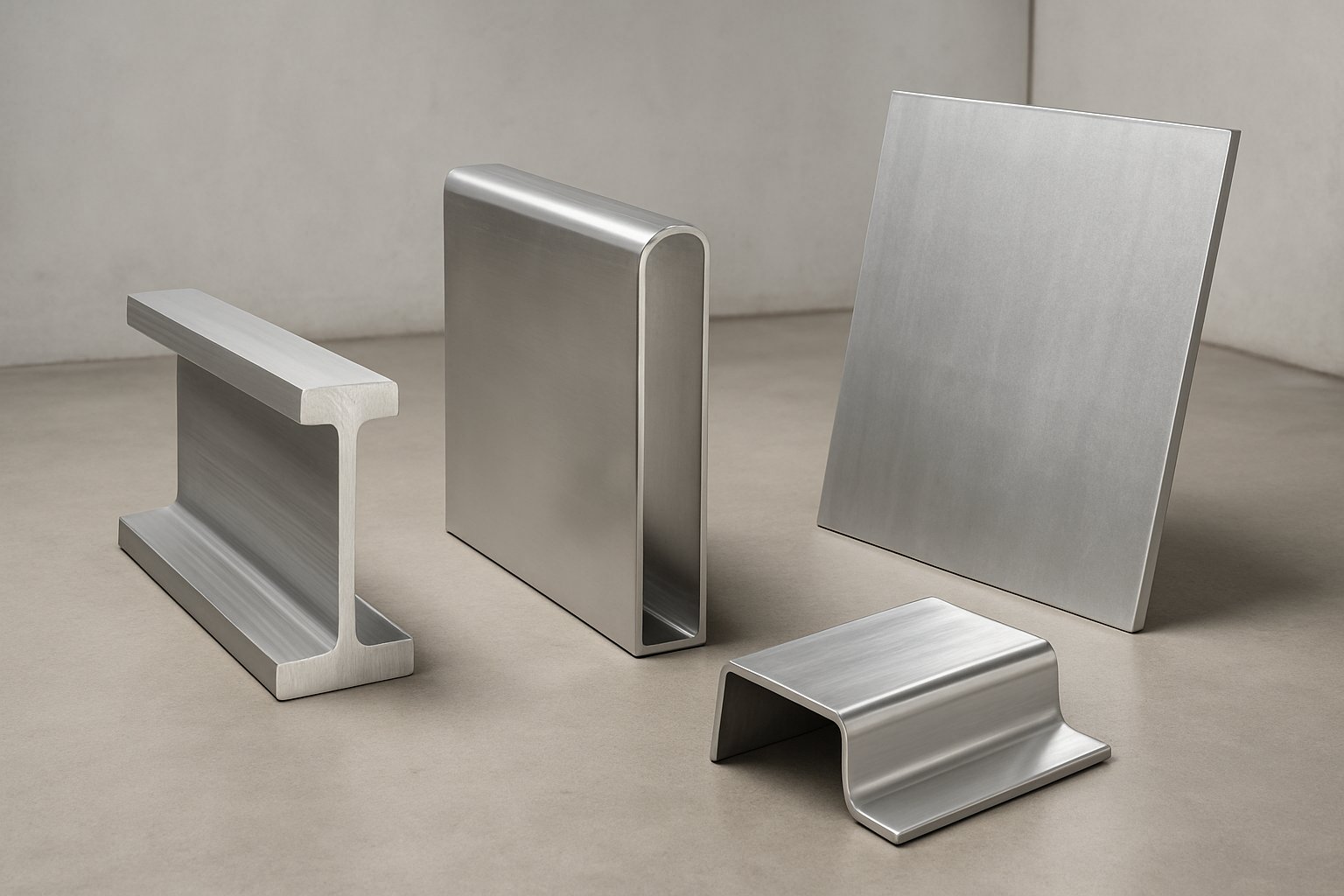
That side-by-side reading matters most when you are comparing the combinations buyers actually see on quotes and drawings. A quick aluminum 6061 temper chart can tell you that T6 is strong, but it cannot tell you whether 6063-T5 would be the smarter pick for a thin, intricate extrusion. The same problem shows up in sheet: 5052-H32 and 3003-H14 are both common, yet they solve different shop problems. Verified property values below draw from GNEE and Kloeckner Metals.
These two 6xxx alloys are often compared because both show up in extrusions, frames, and fabricated parts. The practical split is simple. 6061-T6 pushes hard toward strength, stiffness, and machining performance. The source comparison lists about 45 ksi tensile strength, 40 ksi yield strength, and 95 HB hardness for 6061-T6. 6063-T5 sits lower at about 27 ksi tensile, 21 ksi yield, and 60 HB hardness, but it offers easier forming, smoother extrusion flow, and better support for complex profile shapes. In plain terms, an aluminum t6 temper like 6061-T6 is usually the structural answer, while 6063-T5 is often the shape-and-appearance answer.
In sheet metal work, the comparison shifts. 5052-H32 is the stronger, tougher, more marine-ready option. The cited data puts it at 31 to 38 ksi tensile strength, 28 ksi yield, and 60 Brinell hardness. 3003-H14 is softer at 20 to 26 ksi tensile, 21 ksi yield, and 40 Brinell hardness, but it is easier to form and is often the more economical general-purpose sheet. Both weld well, yet 5052 earns more trust where saltwater exposure or higher structural demand enters the picture.
| Alloy-temper | Relative strength | Bendability and forming | Surface and finish tendency | Machinability | Weld response | Corrosion tendency | Often preferred for |
|---|---|---|---|---|---|---|---|
| 6061-T6 | Highest of these four; strong structural option | Lower formability than 6063-T5 | Good anodized finish performance; less ideal for very intricate profiles | Better chip control | Common choice for welded components | Good overall | Structural frames, machined parts, load-bearing components |
| 6063-T5 | Moderate | Easier bending and forming than 6061-T6 | Smoother surface quality and excellent extrusion detail | Less favored than 6061-T6 for machining | Weldable, but usually chosen for profile shape and appearance | Good overall | Architectural extrusions, heat sinks, decorative and complex profiles |
| 5052-H32 | Higher than 3003-H14 | Good formability, though not as easy as 3003 for complex shapes | Good general sheet finish | Modest | Excellent weldability | Excellent, especially in marine service | Marine parts, tanks, pressure vessels, stronger sheet fabrications |
| 3003-H14 | Lower, general-purpose level | Excellent workability and drawing | Well suited to common formed sheet products | Modest | Excellent weldability | Good, but below 5052 in saltwater | Cookware, HVAC parts, chemical equipment, general sheet metal |
If strength and machining lead the spec, 6061-T6 rises fast. If the part is an architectural or heat-transfer extrusion with sharp detail and visual demands, 6063-T5 often makes more sense. In sheet, 5052-H32 is the upgrade when corrosion resistance and strength matter, while 3003-H14 stays attractive for easier forming and everyday fabrication. That is why an aluminum alloy temper chart works best as a decision aid, not a shortcut. The code on the cert describes mill condition, but welding, bending, and shop heat can change what the part actually becomes.
Mill temper is only the starting point. Once a part is welded, bent, cut, or exposed to extra heat, the local condition can shift. Sometimes the change is minor. Sometimes it is large enough to affect strength, bend performance, or inspection expectations.
Welding is the clearest example because it creates a heat-affected zone, or HAZ. AZOM notes that this zone can extend around 25 mm from the weld. The strength loss depends on how the alloy got its strength in the first place. In strain-hardened, non-heat-treatable alloys, weld heat can locally anneal the material and remove the hardening created by cold work. In heat-treatable alloys, the HAZ is usually not fully annealed. Instead, ESAB describes it as partially annealed and overaged. Heat input matters too. Higher heat input generally means lower as-welded strength. ESAB's groove-weld examples show 5052-H32 dropping from 33 ksi base tensile strength to 27 ksi as welded, while 6061-T6 drops from 45 ksi to 27 ksi.
Bending rewards ductility. Softer tempers have more room to deform before cracking, which is why relatively soft material is favored for deep drawing and other demanding forming operations. Still, bendability is never a one-code promise. AZOM stresses that minimum bend radius depends on alloy, temper, cross section, mandrel use, and required surface finish. That is the practical reason shop trials matter. A softer temper usually bends better, but the part geometry still has a vote.
Machining usually affects results more through heat and distortion than through a deliberate temper change. Aluminum's high friction and thermal expansion mean polished tools, suitable geometry, and lubrication are important to avoid thermal stress. The same heat logic shows up in cutting. Waterjet cutting is often chosen when properties are critical because it avoids heat and therefore avoids altering the material's properties. Extra thermal exposure after fabrication can also help or hurt, depending on alloy. For 6061, The Fabricator lists common aging cycles of 400 degrees F for one hour or 350 degrees F for four hours. After welding 6061-T6, that extra aging can raise weld tensile strength slightly, by about 1 to 2 ksi. That does not mean every alloy should be treated the same way.
That is why questions like can you temper aluminum or how to temper aluminum do not have one universal answer. Non-heat-treatable alloys gain strength mainly through work hardening. Heat-treatable alloys depend on solution heat treatment, quenching, and aging. Even a search for aluminum annealing temp can be misleading if it assumes one number fits every alloy and product form.
Advice on how to temper aluminum at home is often incomplete, because the correct response depends on alloy family, starting temper, and controlled heat history.
The code on the cert tells you where the material began. The better spec choice comes from matching that starting condition to the way the part will actually be formed, joined, and put to work.

A code like H32 or T6 looks tidy on a drawing, but shop reality is messier. Parts succeed or fail because of bend radius, profile shape, machining tolerance, weld sequence, corrosion exposure, and service heat. That is why an aluminum temper hardness chart is useful as a quick ranking tool, not as your first or only filter. Start with the manufacturing route and the end-use environment, then narrow the temper.
For sheet work, softer or moderately hardened conditions usually give you the safest forming window. A bendability guide highlights 3003, 5052, and some 6xxx alloys as common bending choices, while also stressing that thickness, bend radius, and elongation still matter. In practice, O temper is the softest and most ductile option when severe forming is the priority. H14 is a common middle ground for light to moderate forming, and 5052-H32 is often chosen when you need more strength yet still want good bendability. By contrast, 6061-T6 is widely used, but it is not the friendly default for tight bends.
Machining rewards stability and cleaner cutting behavior more than maximum softness. A machining guide notes that O temper is very ductile but can feel gummy in CNC work, while 6061-T6 and especially 6061-T651 are popular because they combine strength, machinability, and better dimensional stability. For mixed fabrication, ask what happens first. If the part must be deeply formed, choose for formability first. If it will be precision machined from plate or bar, a stronger stress-relieved T temper usually makes more sense.
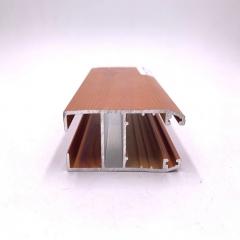
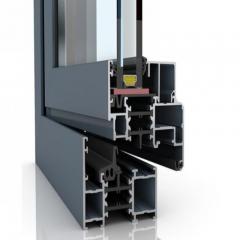
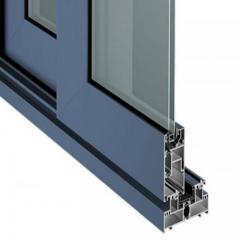
Extrusions often split into two practical paths. 6063-T5 is a familiar choice for architectural profiles, window-frame style sections, and heat sinks because it supports good surface finish and complex shapes. 6061-T6 or T651 fits better when the profile or machined member has a structural job to do. Marine panels and formed covers often lean toward 5052-H32 because its corrosion resistance in seawater is strong while its formability remains useful. The same nominal temper is not available, or equally valuable, across every alloy family, so copying a favorite code from one alloy to another can create the wrong expectation.
Sometimes the strongest starting condition is the wrong choice. Saltwater service, repeated forming, welding, or elevated temperature can change what matters most. Searches like what temp can aluminum withstand sound simple, but the real answer depends on alloy, temper, applied stress, and how long the material stays hot. In hot-service designs, it can be smarter to ask whether a high temp aluminum alloy is needed rather than chasing the hardest room-temperature temper on the cert.
That last step gets even more important when a cert shows longer designations like T651, T42, or T641, because those extra digits often carry the process details that decide whether the material truly fits the job.
Those longer suffixes are where a familiar code starts to carry process history, not just a strength impression. General temper charts are helpful, but advanced callouts need a standards mindset. In the nomenclature summarized under ANSI H35.1, and echoed by Xometry, extra digits after the T family can point to user heat treatment, stress relief, minor straightening allowances, or other more specific conditions.
Read these designations in layers. The alloy still sets the chemistry. The T tells you the product was thermally treated. The added digits narrow how that condition was reached. That is why a search for aluminum temper t42 definition is not the same as reading plain T4, and why an aluminum temper t641 definition should never be guessed from a similar-looking code.
Engineers Edge defines T42 as solution heat treated and naturally aged by the user to a substantially stable condition, and notes it applies to certain 2014-O and 2024-O plate and extrusions heat treated by the user from the annealed condition. That makes T42 a good reminder that some tempers describe who performed the treatment, not just the final property trend.
Longer codes like T641 or T64 usually signal a more specific processing path than a basic T4, T5, or T6 family tag. But the exact meaning can be alloy- and standard-dependent. If you are chasing an aluminum temper t42 definition en 515 or trying to pin down aluminum temper t641 meaning, verify the governing document, alloy series, and supplier certification before treating the code as universal.
| Designation | What it suggests | What to verify |
|---|---|---|
| T42 | User-performed solution heat treatment plus natural aging | Alloy form, starting annealed condition, and cert language |
| T64 | More specific T-family condition than a base T4 or T6 style label | Applicable temper standard and alloy-specific definition |
| T641 | Extended suffix indicating more detailed processing history | Supplier cert, alloy context, and process notes |
| T6511 | Stress relief by stretching with minor straightening allowed | Product form, straightening allowance, and certification |
On drawings, write the full alloy-temper pair, not just the temper. Use a format like 2024-T42 or 6061-T6511, then add product form and required certification if the exact condition matters. For unfamiliar searches such as aluminum temper t64 definition or aluminum temper t42 definition en 515, the safest habit is simple: ask for the cert and the governing standard. That habit becomes even more valuable when you turn material knowledge into an RFQ, because the best specification ties temper to finishing, fabrication, and inspection instead of treating it as a standalone code.
Material codes only help when the RFQ turns them into shop-ready instructions. That is where many mistakes start. A drawing may say 6063-T5, but not mention bending, welding, anodizing, or salt-air exposure. For common aluminum temper designations, the safer habit is to specify the full alloy-temper pair, then attach the processing and inspection details that control the finished part.
Write the material callout as one package, not as separate notes added later. A practical example is: 6063-T5 extrusion, anodized finish, cosmetic face identified, certification required. That keeps aluminum alloy temper designations tied to the finish and profile design, which matters because extrusion route, aging path, and surface treatment all affect the delivered result. Guidance from Xometry and Engineers Edge shows why temper suffixes describe real processing history, not just a rough strength label.
That checklist matches practical extrusion RFQ discipline. KIMSEN highlights the value of locking down alloy-temper, geometry feasibility, traceability, machining controls, and finish definitions before quoting.
Be extra careful with unusual aluminum alloy heat treatment temper designations. If a drawing depends on the aluminum temper t42 definition standard, name the governing standard and ask for certification. Engineers Edge defines T42 as solution heat treated and naturally aged by the user from an annealed condition, which is not the same as casually assuming T4.
The right specification is always alloy plus temper plus processing plus end use.
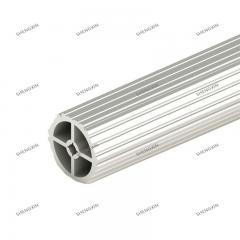
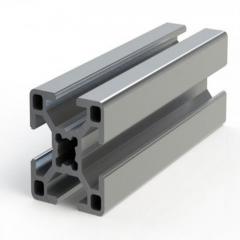
When extrusion performance and appearance both matter, it helps to review suppliers that can coordinate those variables together. As one practical sourcing option, Shengxin Aluminium offers custom extrusion profiles with anodizing and multiple finishes, which can be useful when your brief needs to align temper, profile shape, and finish quality in one spec package.
Aluminum temper describes the metal's condition after processing, while the alloy number identifies its chemical makeup. In simple terms, alloy is the recipe and temper is the condition created by steps like annealing, cold working, solution heat treatment, quenching, or aging. That is why two pieces of the same alloy can behave very differently in bending, machining, welding, hardness, and strength.
They usually refer to the same idea in casual searching, but the correct designation is the letter O, not the number 0. O temper means the alloy has been annealed into a soft, highly workable condition. It is commonly chosen when formability matters most, but it should still be specified with the proper letter on drawings, quotes, and purchase documents.
T6 means the material reached its condition through a specific thermal treatment route, commonly solution heat treatment by artificial aging. It is a useful sign that the product is in a strength-focused temper family, but it is not a universal performance score. A 6061-T6 part and another T6 alloy may share the same temper family name while still differing in strength, corrosion behavior, weld response, and machinability.
Yes, it can. Welding introduces heat that changes the local condition near the joint, so the finished part may no longer behave like untouched base material in that area. Bending does not automatically create a new listed temper, but it does make the starting temper critical, because softer conditions usually handle tight forming more safely than harder ones. Any post-weld or post-heat recovery plan should be verified for the specific alloy instead of assumed from generic online advice.
A strong specification should name the full alloy-temper pair, product form, geometry, finish, forming needs, welding plans, service environment, and required certification. That matters because temper choice often interacts with extrusion complexity, surface appearance, and post-processing such as anodizing. For custom extrusion projects, it can help to compare suppliers that coordinate temper, profile design, and finishing together. As one practical reference, Shengxin Aluminium offers custom extrusion profiles with anodizing and multiple finish options, which is useful when both performance and appearance need to be aligned early in the RFQ stage.



 Onlineservice
 0086 136 3563 2360
 sales@sxalu.com
 +86 136 3563 2360
 Deutsch
 English
 français
 русский
 español
 português
 العربية
 ไทย
ไทย Việt
Việt Українська