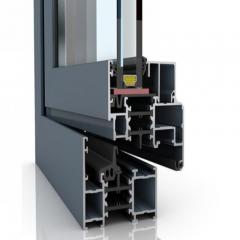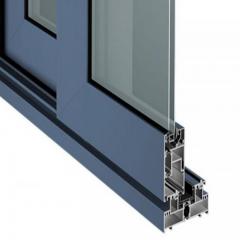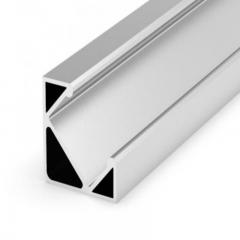
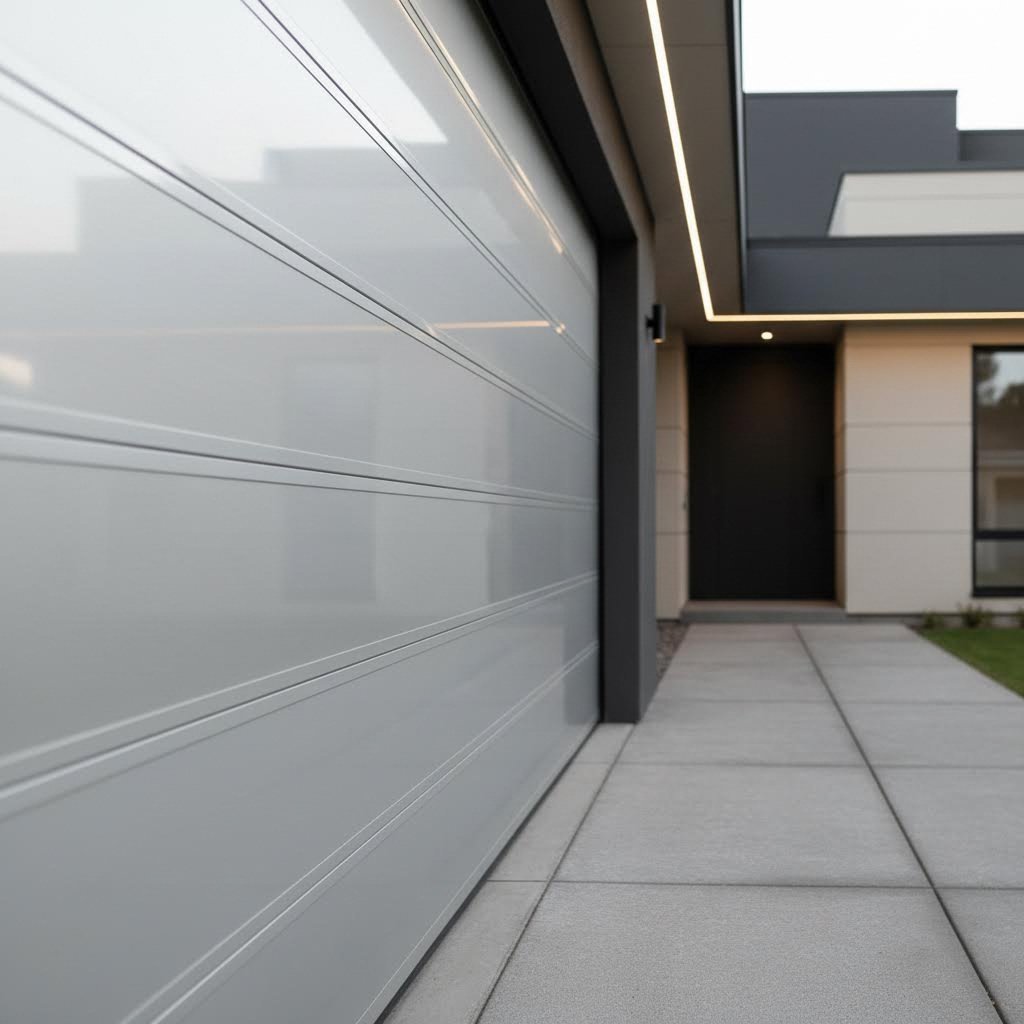
When you pull into your driveway after a long day, you probably don't think much about what holds your garage door in place. Yet the frame surrounding that door works tirelessly, bearing weight, resisting weather, and maintaining precise alignment year after year. This is where aluminum extrusions for garage doors come into play—and understanding them can mean the difference between a trouble-free installation and decades of headaches.
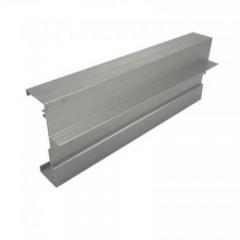
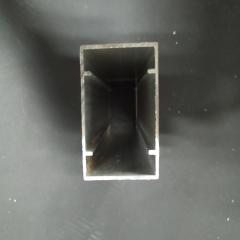
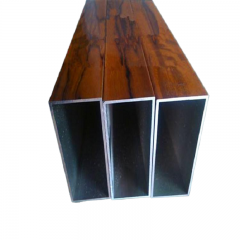
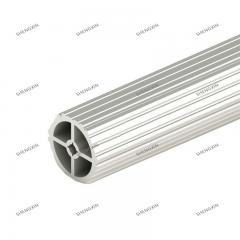
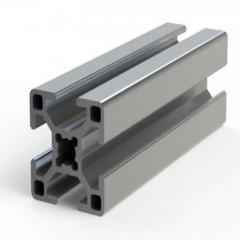
So what exactly are aluminum extrusions? Think of it like a sophisticated Play-Doh press. Manufacturers heat solid aluminum billets to around 900°F until they become malleable, then force this heated metal through precision-engineered steel dies. The aluminum emerges on the other side as a continuous profile with an exact cross-sectional shape. This process allows for the creation of complex profiles—channels, tubes, and custom shapes—that would be impossible or prohibitively expensive to achieve through other manufacturing methods.
For garage door framing specifically, this extrusion process delivers something critical: consistency. Every inch of an extruded aluminum door frame maintains identical dimensions, ensuring your door operates smoothly without binding or gaps. Manufacturers can produce both standard 5½-inch frames for 2-by-4 construction and 7½-inch frames for 2-by-6 construction, with widths starting at 7 feet and extending up to 50 feet for custom applications.
You might wonder why aluminum earns its spot as the preferred material for garage frame applications. Unlike steel, which requires welding and cutting to achieve complex shapes, aluminum door framing emerges from the extrusion process already formed into intricate profiles. This means channels for weatherstripping, mounting flanges, and decorative details can all be integrated into a single piece—no assembly required.
The aluminum door frames used in garage applications typically come from the 6000 series alloys, which offer an optimal balance of strength, workability, and corrosion resistance. This series includes popular choices like 6063, 6105, 6005A, and 6061—each with specific properties suited to different requirements.
Precision matters enormously when you're framing a structure that needs to operate thousands of times over its lifespan. Here's why aluminum extrusions excel for your garage frame:
This combination of properties explains why both residential homeowners and commercial facility managers increasingly choose extruded aluminum components. The initial investment pays dividends through reduced maintenance, longer service life, and reliable operation regardless of your local climate conditions.
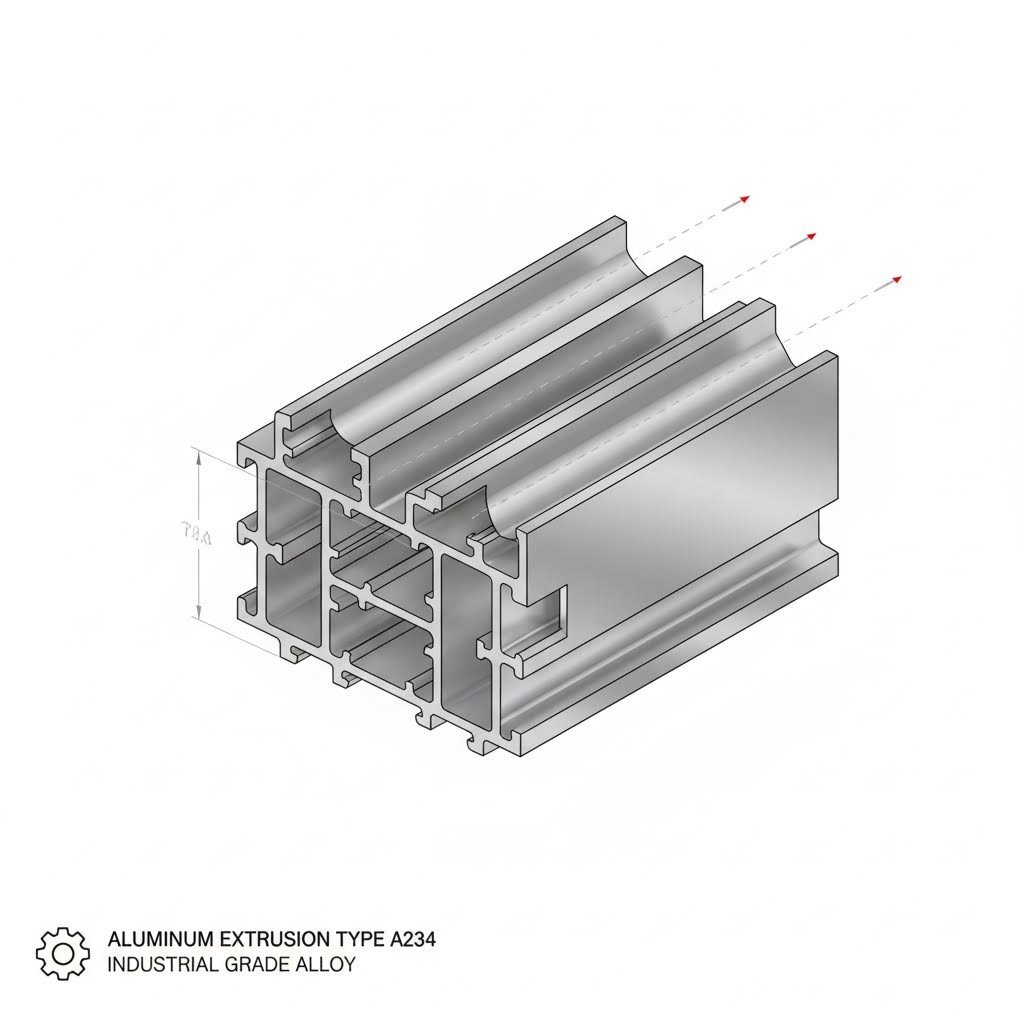
Ever noticed those cryptic numbers stamped on your aluminum garage door frames? Something like "6063-T6" might seem like meaningless industry jargon, but these designations actually tell you everything about how your frame will perform over the next several decades. Understanding what these numbers mean gives you a significant advantage when selecting garage door frames—or when evaluating whether a contractor is recommending quality materials.
The aluminum industry uses a four-digit numbering system to identify different alloy families. The first digit indicates the primary alloying element. For garage door applications, you'll almost exclusively encounter alloys starting with "6," which signals an aluminum-magnesium-silicon composition. This 6xxx series offers the sweet spot of properties that garage door frames demand: good strength, excellent corrosion resistance, and superior extrudability.
Let's break down the most common alloy you'll encounter: 6063. According to Metal Exchange, this alloy typically contains around 0.6% silicon and 0.9% magnesium, with small traces of iron, copper, and other elements to fine-tune mechanical behavior. The combination of magnesium and silicon forms magnesium silicide (Mg₂Si), which gives the alloy its strength after heat treatment.
Why does this specific chemistry matter for your aluminum garage door? The 6063 formulation prioritizes two characteristics that prove essential for garage door frames:
You might also encounter 6061 and 6005 alloys in commercial or heavy-duty residential applications. These alternatives offer higher strength but trade off some surface finish quality and extrudability. For most aluminium garage applications, 6063 remains the gold standard because appearance and corrosion resistance typically outweigh the need for maximum structural strength.
Now let's decode that "T6" designation. The letter indicates the material has been heat-treated, while the number specifies exactly how. T6 means the aluminum has been solution heat-treated and then artificially aged—a two-step process that dramatically increases strength.
During solution heat treatment, manufacturers heat the aluminum to around 980°F, allowing the alloying elements to dissolve uniformly. Rapid quenching locks these elements in place. Then comes artificial aging: holding the material at elevated temperatures (typically 350-400°F) for several hours, which causes the dissolved elements to form microscopic precipitates throughout the metal structure.
The result? 6063-T6 achieves significantly higher strength than its T5 counterpart, making it the preferred choice for alum door frames that must maintain structural integrity for decades. While T5 temper (air-cooled after extrusion, then artificially aged) offers adequate performance for decorative trim, T6's superior strength justifies its use in load-bearing frame components.
Here's how the most common aluminum alloys compare for garage door frame applications:
| Alloy | Strength | Formability | Corrosion Resistance | Typical Garage Door Applications |
|---|---|---|---|---|
| 6063-T6 | Medium (31 ksi tensile) | Excellent | Excellent | Door frames, trim, decorative components, jambs |
| 6061-T6 | High (45 ksi tensile) | Good | Good | Commercial heavy-duty frames, structural reinforcements |
| 6005-T5 | Medium-High | Good | Good | Structural components requiring higher strength than 6063 |
According to Huaxiao Metal, 6005 aluminum alloy offers higher hardness (140-160 HV) compared to 6063 (70-105 HV), making it suitable when enhanced structural integrity is required. However, this increased strength comes at a slightly higher cost.
When shopping for an aluminum door frame kit, pay attention to these specifications. A reputable supplier will clearly state both the alloy and temper designation. If a product listing simply says "aluminum" without specifying 6063-T6 or equivalent, you're likely looking at lower-quality materials that may not deliver the decades of reliable performance you expect from your investment.
Now that you understand the alloys behind quality aluminum extrusions, let's explore exactly where these components fit into your garage door system. Whether you're a DIYer planning a weekend project or a contractor quoting a job, knowing the parts of a garage door frame helps you order the right materials and avoid costly mistakes.
When you frame a garage door opening, you're not just installing a single piece of metal. You're assembling an integrated system where each component serves a specific purpose. Aluminum extrusions excel in every role because manufacturers can design profiles that combine multiple functions—structural support, weatherproofing, and aesthetic finishing—into single, elegant pieces.
The garage door frame forms the structural backbone of your entire installation. Think of it as the skeleton that holds everything together while your door cycles open and closed thousands of times over its lifespan. Here are the primary components you'll encounter:
When contractors frame garage door openings, they typically start with rough framing using dimensional lumber, then apply aluminum jamb kits to create the finished appearance. A quality garage door jamb kit includes pre-mitered corners and integrated mounting channels, dramatically simplifying installation.
Beyond structural components, aluminum extrusions play a critical role in weatherproofing and finishing your garage door installation. These elements might seem decorative, but they perform essential protective functions:
The beauty of extruded aluminum components lies in their integration. When you purchase a complete garage door frame system, pieces are designed to interlock precisely. Weatherstripping channels align perfectly with stop molding. Jamb profiles accept trim pieces without visible fasteners. This systematic approach means fewer gaps where air and water can infiltrate.
For DIYers wondering how to frame garage door openings correctly, understanding these components prevents common mistakes. Ordering a garage door jamb kit ensures you receive matched components designed to work together—far better than cobbling together mismatched pieces from multiple sources. Contractors appreciate this approach too, since integrated systems reduce callbacks and warranty claims.
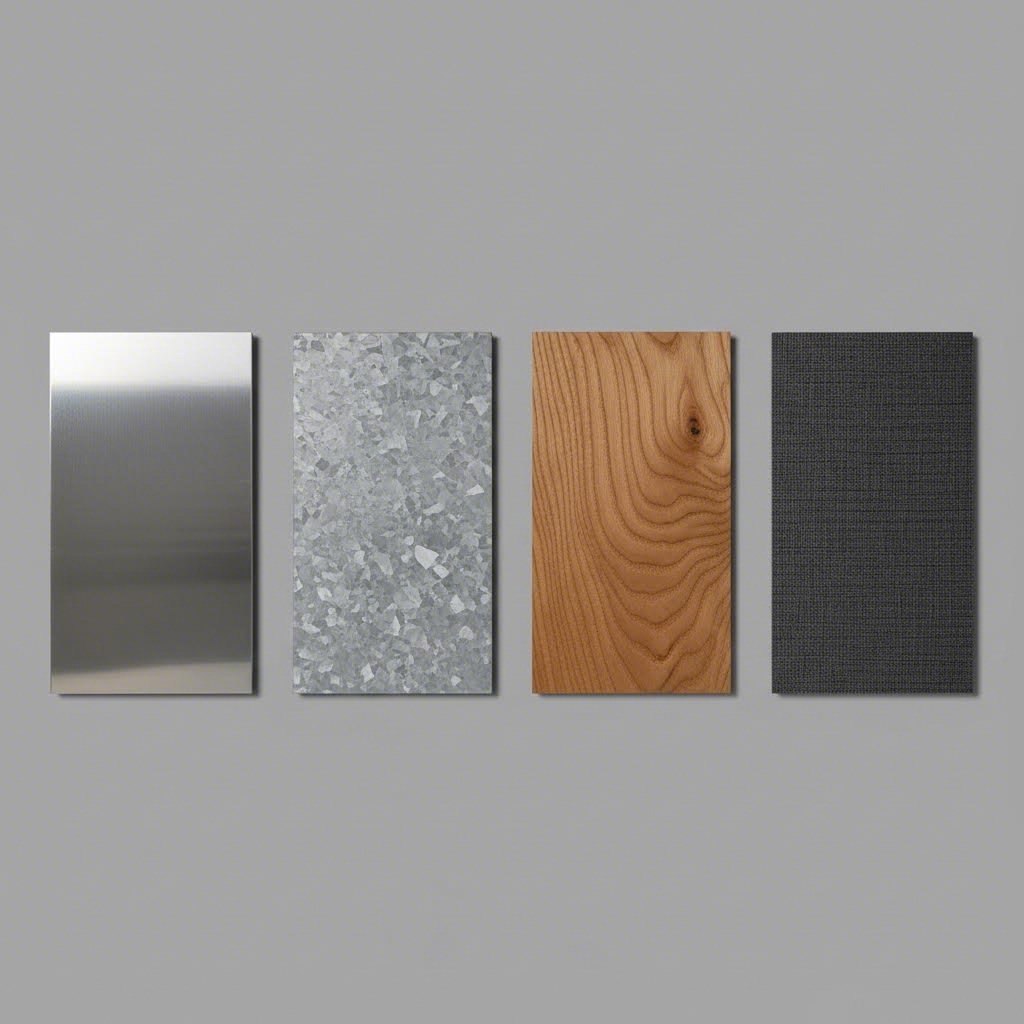
You've identified the components you need and understand aluminum alloy specifications—but here's the question that really matters: Is aluminum actually the right choice for your garage door and frame? The honest answer depends on your climate, budget, and tolerance for maintenance. Let's cut through the marketing noise and examine how aluminum extrusions stack up against steel, wood, and fiberglass in real-world conditions.
Each material brings genuine strengths to garage door applications. Steel dominates the market for good reason. Wood offers unmatched beauty. Fiberglass solves specific problems elegantly. And aluminum? It occupies a unique position that makes perfect sense for certain situations—while being completely wrong for others.
Steel remains the most popular garage door material, and its dominance in framing components mirrors this preference. According to Clopay, steel doors can last up to 30 years and provide excellent security against intruders. But when we're talking about metal garage door trim and framing specifically, the comparison becomes more nuanced.
In coastal environments, aluminum wins decisively. Salt air corrodes galvanized steel over time, even with protective coatings. Aluminum's natural oxide layer provides inherent rust resistance that steel simply cannot match. If you live within a few miles of the ocean, aluminum garage door trim eliminates the inevitable rust streaks that plague steel components.
However, steel outperforms aluminum in several critical areas:
For harsh winter climates, both materials perform well structurally. The real concern becomes thermal performance—and here, neither metal excels. Both aluminum and steel conduct heat readily, potentially creating condensation issues in extreme temperature differentials. Insulated door panels matter more than frame material in cold climates.
Wood garage door frames offer something no metal can replicate: warmth and character. Premium hardwoods like cedar, redwood, and mahogany deliver stunning natural beauty with endless customization options. Unlike metal, wood won't dent—a significant advantage in high-traffic areas.
But wood demands commitment. Without consistent maintenance—sanding, sealing, staining, or painting—wood absorbs moisture and eventually rots. This maintenance burden makes wood impractical for rental properties or homeowners who prefer hands-off ownership. Wood also commands the highest prices, both initially and over time.
Fiberglass occupies an interesting niche. It won't rot, resists corrosion excellently, and requires minimal maintenance. For garage door trim metal alternatives, fiberglass offers compelling advantages in humid climates where moisture penetration concerns outweigh structural demands. However, fiberglass can crack or shatter under impact and performs poorly in high-wind conditions.
Consider wood when:
Consider fiberglass when:
Here's a comprehensive comparison to guide your decision:
| Criterion | Aluminum | Steel | Wood | Fiberglass |
|---|---|---|---|---|
| Weight | Lightweight (easiest installation) | Heavy (requires more support) | Medium-Heavy | Very Lightweight |
| Corrosion Resistance | Excellent (ideal for coastal areas) | Good with coating (rusts in salt air) | Poor (rots without maintenance) | Excellent |
| Maintenance | Minimal (occasional cleaning) | Low (annual wash, touch-ups) | High (regular sealing/painting) | Minimal |
| Thermal Performance | Poor (high conductivity) | Poor (high conductivity) | Good (natural insulator) | Moderate |
| Upfront Cost | Mid-range | Most affordable | Most expensive | Affordable |
| Lifespan | Up to 30 years | Up to 30 years | 20+ years (with maintenance) | 15-20 years |
| Dent Resistance | Fair (dents relatively easily) | Good to Excellent | Excellent (won't dent) | Poor (can crack) |
| Best Climate | Coastal, humid regions | All climates (with protection) | Mild, dry climates | Humid, moderate climates |
What does this mean for your project? If you're installing aluminum extrusions for garage doors in a coastal home where salt spray threatens metal components, aluminum's corrosion resistance justifies its higher cost versus steel. If you're in a landlocked area with tight budgets, steel framing delivers comparable performance at lower expense.
The thermal conductivity limitation of aluminum deserves honest acknowledgment. In extreme climates—whether blazing hot or freezing cold—aluminum frames can create thermal bridges that affect garage temperature. This matters less than door panel insulation, but it's worth considering for attached garages where energy efficiency impacts your living space.
With material selection clarified, the next consideration involves protecting your chosen aluminum components. Surface finishes dramatically affect how your garage door frame weathers the years ahead—and the options extend far beyond basic paint.
You've selected the right aluminum alloy and compared it against alternative materials. Now comes a decision that will determine how your garage door frame looks and performs for the next 20 to 30 years: the surface finish. Raw aluminum, while naturally corrosion-resistant, remains vulnerable to scratches, stains, and oxidation that dulls its appearance over time. The protective treatment you choose transforms that vulnerability into decades of maintenance-free performance.
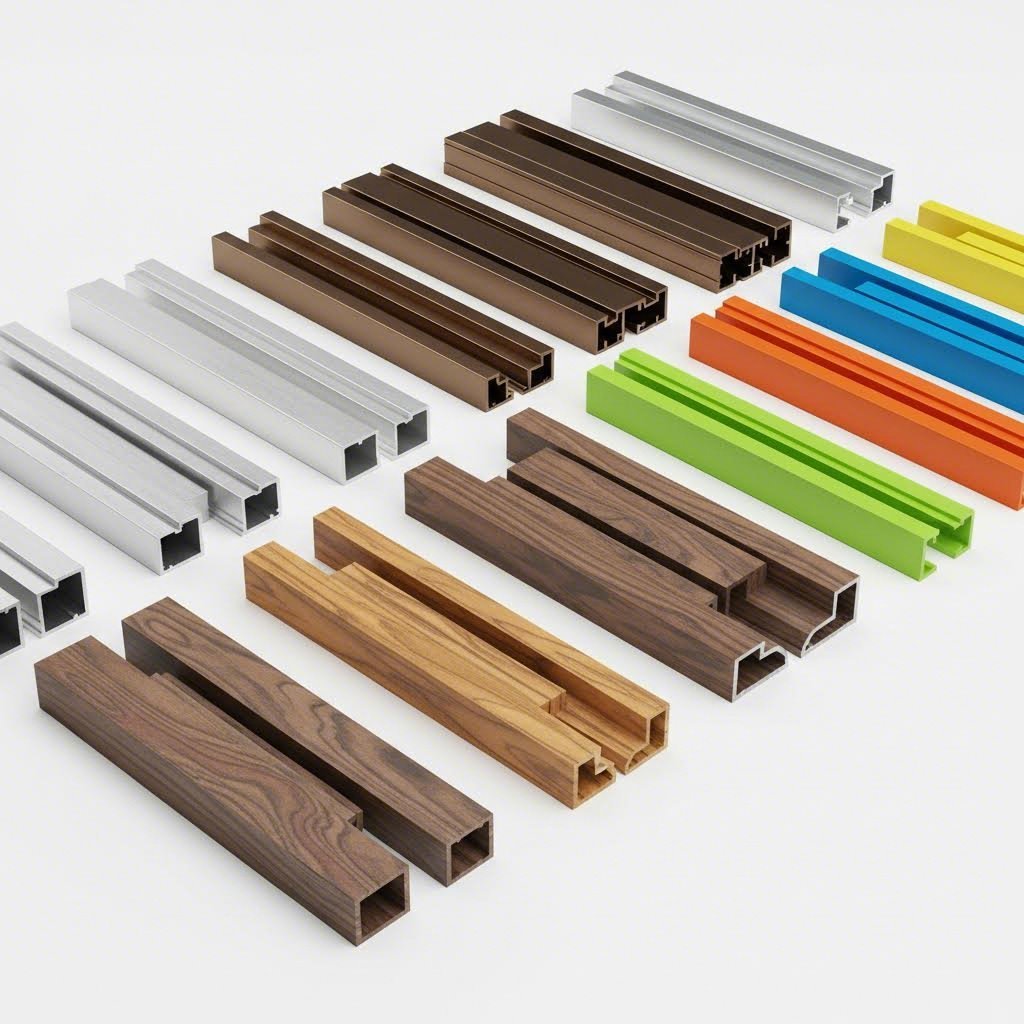
Three primary finishing technologies dominate the market for aluminum garage door trim: anodizing, powder coating, and PVDF coating. Each offers distinct advantages depending on your climate, aesthetic preferences, and budget. Understanding these differences helps you avoid the costly mistake of choosing a finish that fails prematurely—or paying for protection you don't actually need.
Here's something that surprises most homeowners: anodizing isn't a coating at all. Unlike paint or powder that sits on top of the aluminum, anodizing creates protection that becomes part of the metal itself. According to Minh Dung Holdings, this electrochemical process submerges the aluminum in an acid bath while passing electric current through it, forming a super-hard layer of aluminum oxide fully integrated with the base material.
What does this mean for your aluminum garage door trim replacement project? The anodized layer cannot peel, flake, or chip away like applied coatings. It won't blister in summer heat or crack during winter freezes. This integration with the base metal explains why anodized aluminum maintains its appearance in demanding environments where painted finishes would fail.
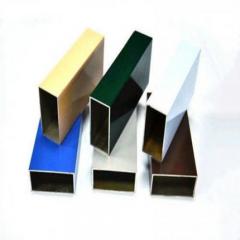
Anodizing offers color options beyond the natural silver-gray, though the range remains more limited than powder coating. Bronze, black, champagne, and gold tones can be achieved through dye absorption during the anodizing process. For j mold garage door trim and other architectural profiles where sophisticated metallic finishes matter, anodizing delivers elegance that paint cannot replicate.
Need to match your garage door frame to your home's exact exterior color? Powder coating makes virtually any color possible. This dry finishing process electrostatically applies powder particles to grounded aluminum, then cures the coating in an oven where it melts into a smooth, durable film.
Powder coating excels for aluminum door capping and trim applications where color consistency matters. You can match existing architectural elements, coordinate with your door panels, or create bold contrast that enhances curb appeal. The finish itself proves remarkably durable—resistant to fading, scratching, and chemical exposure under normal residential conditions.
Here are the primary finish types and their ideal applications:
If your garage faces south or west with extended sun exposure, PVDF coating deserves serious consideration. This high-performance liquid paint system—often sold under the trade name Kynar 500—offers exceptional color retention and chalking resistance that standard powder coatings cannot match.
PVDF finishes maintain their original appearance even after decades of UV bombardment. For garage door aluminum trim installations where fading would create mismatched components over time, PVDF's long-term color stability justifies its premium cost. Commercial applications routinely specify PVDF precisely because replacement costs far exceed the finish upgrade expense.
However, PVDF involves more complex application than powder coating and typically costs more. For garages with limited sun exposure or projects with tighter budgets, quality powder coating provides excellent protection at a more accessible price point.
Aluminum capping—wrapping exposed wood framing with finished aluminum—relies entirely on surface treatment quality for its protective function. When you install j mold garage door trim or apply capping to your frame's exterior surfaces, the finish becomes the first line of defense against moisture infiltration and UV degradation.
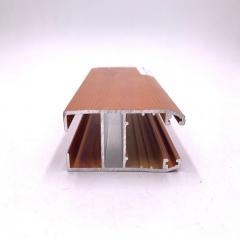
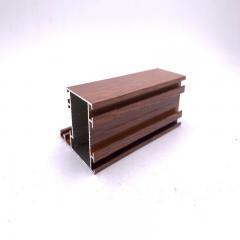
Wood grain transfer finishes have gained popularity for homeowners wanting natural aesthetics without wood maintenance. These specialty coatings apply realistic wood patterns to aluminum surfaces, creating the warmth of timber with aluminum's durability. The result? Your garage door aluminum trim looks like stained wood but never needs refinishing.
Choosing between these options requires balancing priorities:
Whichever finish you select, ensure your supplier provides coating thickness specifications and warranty information. A quality finish applied correctly protects your investment for decades. A cheap finish or poor application leads to premature failure—and the frustration of aluminum garage door trim replacement far sooner than necessary.
You've selected your aluminum alloy, compared materials, and chosen a protective finish. But here's a question that fundamentally changes everything: Is this door for your home or your business? The answer doesn't just affect size—it determines the engineering specifications, hardware ratings, and structural requirements that will define your installation's performance for decades.
Residential and commercial garage doors might look similar at first glance, but according to Garaga, it's how they're used that really separates the two. Consider a loading dock door that opens 50 times daily surrounded by forklift traffic versus your home garage door that cycles perhaps twice. That difference in usage intensity cascades through every component specification—including the aluminum extrusions that frame the entire system.
When we talk about residential garage doors aluminum applications, we're picturing doors with widths between 8 and 16 feet and heights between 6½ and 8 feet. These dimensions accommodate typical residential vehicles and usage patterns. But the specifications extend far beyond simple measurements.
The spring system tells the real story. Residential garage door springs typically carry a 10,000-cycle rating—sufficient when your door opens twice daily for 15+ years. Commercial applications demand 25,000 to 100,000-cycle springs because a loading dock door might cycle 25 to 50 times every single day. This cycle count difference directly affects the aluminum extrusion requirements for door panels and frame components.
Track hardware illustrates another critical distinction. Residential doors use 2-inch hardware—tracks and rollers sized for lighter-duty operation. Commercial installations often require 3-inch hardware with thicker gauge steel tracks to handle heavier doors and more frequent cycling. The aluminium garage door frames must accommodate this heavier hardware with appropriate mounting provisions and structural support.
Door thickness varies significantly too. Residential insulated doors typically measure 1⅜ to 2 inches thick. Commercial doors can reach 3 inches thick, with polyurethane insulation that not only improves energy efficiency but also stiffens sections against bending—critical when forklifts operate nearby and accidental impacts become inevitable.
Wind load ratings represent perhaps the most critical specification separating adequate garage door aluminum installations from genuinely protective ones. According to ArmRLite, wind load ratings measured in pounds per square foot (PSF) or miles per hour (mph) reflect how much wind pressure a sectional door can withstand before failure.
This matters enormously for homes in hurricane-prone regions. Florida, Texas, Louisiana, and the Carolina coasts all require wind load rated garage door fascia and framing systems. ArmRLite offers wind loading protection up to 180 mph—essential protection when your garage door represents the largest opening in your home's building envelope.
Here's what many homeowners don't realize: door size directly affects available wind load ratings. Smaller doors achieve better ratings because less surface area faces wind pressure. A 9-foot residential door can achieve higher PSF ratings than an 18-foot commercial door using identical construction methods. This physics reality means commercial installations often require enhanced aluminum extrusion profiles with additional reinforcement.
| Specification | Residential Grade | Commercial Duty |
|---|---|---|
| Typical Door Width | 8 to 16 feet | Up to 50+ feet |
| Spring Cycle Rating | 10,000 cycles | 25,000 to 100,000 cycles |
| Track Hardware Size | 2 inches | 2 to 3 inches |
| Door Panel Thickness | 1⅜ to 2 inches | Up to 3 inches |
| Opener Power | ½ to ¾ HP (115V only) | ½ to 1 HP (115V, 220V, or 575V) |
| Lift Types | Standard or low-headroom | Standard, high lift, full vertical lift |
| Design Priority | Aesthetics and curb appeal | Durability and efficiency |
| Wind Load Availability | Up to 180 mph (size dependent) | Varies by door size and reinforcement |
Your geographic location affects aluminium garage door specifications beyond wind ratings. Coastal environments demand enhanced corrosion protection—precisely why aluminum extrusions outperform steel in salt air conditions. However, finish warranties often exclude properties within one mile of salt water, so verify coverage before purchasing.
Extreme temperature zones present different challenges. Both residential and commercial garage door aluminum components must maintain dimensional stability through seasonal temperature swings. The aluminum alloys discussed earlier—particularly 6063-T6—deliver consistent performance across temperature extremes that would cause lesser materials to warp or bind.
High-wind zones require specific attention regardless of residential or commercial application. According to industry testing standards, wind load rated doors should always remain closed during high wind events. An open garage door during a hurricane leaves interior walls, roof, and ceiling vulnerable to structural damage and possible collapse.
For commercial applications, the stakes intensify. Downtime from a malfunctioning door costs money—potentially significant money for businesses relying on loading dock operations. This reality justifies higher initial investments in heavy-duty garage aluminium components and commercial-grade hardware. Paying more upfront for reliable operation beats the alternative: expensive repairs and lost productivity from prematurely worn parts.
Whether you're a homeowner weighing residential options or a facility manager specifying commercial systems, matching your aluminum extrusion specifications to actual usage demands ensures appropriate performance without overspending on unnecessary capacity. The next step? Understanding how to properly install these components so they deliver their full performance potential.

You've selected the perfect aluminum extrusion system, matched the alloy specifications to your climate, and chosen a protective finish that will last decades. Now comes the moment of truth: installation. And here's where many projects go sideways—not because the materials fail, but because the framing wasn't right from the start.
Should you tackle this yourself or hire a professional? The honest answer depends on your experience level and tolerance for precision work. According to Precision Garage Door Service, "It takes a lot of experience to build safe home structures. You wouldn't try to frame your home without any experience, so why would you take a chance on your garage door frame?" That's a fair point—but understanding the process helps you make informed decisions whether you're doing the work or supervising a contractor.
Before any aluminum touches your garage, the rough opening must be prepared correctly. When learning how to frame a garage door opening, you'll discover that precision at this stage determines whether your door operates smoothly for decades—or binds, gaps, and frustrates you every single day.
The rough framing for garage door installations follows specific dimensional requirements. Your rough opening should be larger than the finished door size to accommodate framing materials and allow proper installation. Here's how the math works:
For example, a standard 9x7 garage door requires a rough opening of 9 feet 9 inches wide and 7 feet 3 inches tall. The finished frame opening—after installing your aluminum jambs—should measure 8 feet 9 inches wide and 6 feet 11 inches tall. Getting these measurements wrong by even a half inch creates problems that compound throughout the installation.
Why does dimensional accuracy matter so much? Your garage door operates on tracks that must remain parallel. The door panels need consistent spacing against weatherstripping. The opener mechanism requires precise alignment with the center bracket. When framing for garage door opening installations, tolerances measured in fractions of an inch determine whether everything works harmoniously or fights against itself.
Here's the step-by-step process for how to frame for garage door installations correctly:
When you frame a garage door opening, keep in mind that different door types have varying requirements. Roll-up doors offer more forgiveness on height measurements since adjustments remain easier during installation. Sectional doors demand tighter tolerances because track alignment directly affects panel travel.
Before purchasing aluminum extrusions, verify compatibility with your specific door type and opener system. Not all frame for garage door assemblies work universally. Consider these factors:
The best materials for garage door jambs include treated wood, PVC, or steel for the structural components, with aluminum extrusions providing the finished appearance and weather protection. For residential applications, wood or PVC rough framing with aluminum capping delivers an ideal combination of structural integrity and maintenance-free finishing.
Gaps between your installed door and frame deserve immediate attention. Small gaps under an inch can typically be addressed with garage door seals. However, gaps exceeding an inch or two may indicate framing issues requiring professional assessment—or potentially a larger door to ensure proper operation and insulation.
Whether you're a DIYer confident in your measuring skills or a contractor managing crew efficiency, understanding these how to frame garage door fundamentals ensures your aluminum extrusions perform as designed. Proper rough framing for garage door installations isn't glamorous work, but it's the foundation that determines whether your investment delivers decades of smooth, trouble-free operation—or endless frustration from a door that never quite works right.
You've invested in quality aluminum extrusions, installed them correctly, and chosen the right finish for your climate. Now what? Here's where "low-maintenance" claims meet reality. Yes, aluminum garage frames require dramatically less attention than wood or unprotected steel—but "low maintenance" doesn't mean "no maintenance." A few simple practices performed at the right intervals will keep your components performing flawlessly for decades instead of slowly degrading into problems you'll eventually have to address.
Think of it this way: your car needs oil changes even though modern engines are incredibly reliable. The same logic applies to your garage door system. According to Powell Garage Doors, regular cleaning not only retains aesthetic appeal but also contributes to durability—meaning your garage frames will serve you for years to come with minimal effort.
Rather than vague advice about "cleaning occasionally," here's a concrete schedule that keeps your aluminum extrusions in peak condition. Block off time on your calendar for these tasks, and you'll prevent the small issues that compound into expensive garage door frames replacement projects.
For the cleaning process itself, gather a bucket, mild dish soap, soft bristle brush or sponge, garden hose, and microfiber drying cloths. Avoid abrasive cleaners, steel wool, or pressure washers—these can damage protective finishes and scratch aluminum surfaces. Start from the top and work downward, allowing dirty water to flow away from cleaned areas.
If your garage faces a busy street or construction zone, increase cleaning frequency. Road salt, concrete dust, and industrial fallout can accumulate faster than in sheltered locations. Coastal properties should rinse aluminum components monthly to prevent salt buildup that accelerates oxidation even on corrosion-resistant alloys.
Catching problems early transforms minor repairs into quick fixes rather than major garage door frames replacement projects. During your regular inspections, watch for these warning signs that indicate your aluminum components need attention:
When inspecting garage frames, pay particular attention to the bottom sections where splash-back from rain concentrates moisture exposure. Check behind any aluminum door frame capping for signs of wood rot in the underlying structure—dark staining or soft spots indicate moisture has bypassed the protective aluminum layer.
Some maintenance tasks fall squarely within DIY territory. Others demand professional expertise. Here's how to know when to call for help:
Handle yourself: routine cleaning, fastener tightening, weatherstripping replacement, minor touch-up paint on scratches, and lubrication of moving parts.
Call a professional: structural damage affecting door operation, extensive corrosion requiring refinishing, garage side entry door and frame replacement, spring system issues, or any repairs involving electrical components. Also consider professional service if you notice your door binding, making unusual noises, or operating unevenly—these symptoms often trace back to frame alignment issues that require specialized tools to diagnose and correct.
For aluminum trim replacement, professionals ensure proper integration with existing components and maintain weathersealing integrity. DIY trim replacement is feasible for handy homeowners, but matching finishes and achieving watertight joints requires attention to detail. If you're considering garage side entry door and frame replacement alongside your main garage door, coordinating both projects ensures consistent appearance and potentially reduces labor costs.
The bottom line? Aluminum extrusions for garage doors deliver on their low-maintenance promise—but only when you provide the minimal care they need. A few hours of attention annually protects an investment designed to last 20 to 30 years. Skip the maintenance, and you'll find yourself shopping for replacement components far sooner than necessary. With your maintenance schedule established, the final piece of the puzzle involves sourcing quality components when repairs or new installations become necessary.
You've done your homework—understanding alloys, comparing materials, selecting finishes, and establishing maintenance routines. Now comes the purchasing decision that determines whether all that research pays off. Choosing the right supplier for your aluminum garage door frame components matters as much as choosing the right specifications. A quality extrusion from a mediocre supplier can arrive with dimensional inconsistencies, finish defects, or lead times that derail your project timeline.
Whether you're ordering a simple garage door frame kit for a weekend installation or sourcing custom aluminum door frame extrusions for a commercial project, the evaluation process follows similar principles. Let's break down exactly what to look for—and what questions to ask before placing that order.
Before contacting any supplier, prepare a specification sheet that documents exactly what you need. Vague requests generate vague quotes—and eventual disappointment when delivered products don't match expectations. Here's what your specification request should include:
For premade door frames, verify that kits include all necessary components—jambs, headers, weatherstripping channels, and mounting hardware. Incomplete kits force you to source missing pieces separately, potentially creating compatibility headaches. Ask for complete component lists before ordering.
When sourcing extruded aluminum door frame components for custom applications, request material test certificates verifying alloy composition and mechanical properties. Reputable suppliers provide these documents routinely; hesitation suggests quality control gaps you'll want to avoid.
Standard profiles work for many projects, but custom aluminum door extrusion requirements demand suppliers with specific capabilities. Not every aluminum extruder can produce the complex profiles your project might require. According to Ya Ji Aluminum, top-tier suppliers offer engineering collaboration, quality assurance, and integrated production capabilities that align with your business goals.
Here's your supplier evaluation checklist:
For significant projects, request facility tours or virtual walkthroughs. Seeing extrusion presses, surface treatment lines, and quality testing equipment in operation reveals capabilities that sales brochures can't convey. Pay attention to facility organization and cleanliness—they correlate strongly with product quality.
The best supplier relationships extend beyond simple transactions. For ongoing projects or repeat orders, you want a partner who understands your applications and anticipates your needs. This partnership approach reduces coordination costs and improves turnaround times.
Shengxin Aluminium exemplifies this comprehensive approach. With over 30 years of experience in aluminum extrusion, they operate 35 extrusion presses ranging from 600T to 5500T capacity—covering everything from delicate trim profiles to heavy structural sections. Their integrated capabilities include CNC machining for precise cutting, drilling, and bending, plus extensive surface treatment options: anodizing in custom colors like champagne and rose gold, powder coating, PVDF, and micro-arc oxidation for specialized applications.
What sets comprehensive suppliers apart is their end-to-end support model. Rather than handing off your project between disconnected departments, they manage everything from initial die development through mass production and shipping. This integration eliminates the finger-pointing that occurs when problems arise between separate die makers, extruders, and finishers. For those exploring custom aluminum extrusion services, Shengxin's processing capabilities page demonstrates the range of value-added services available from a single source.
Armed with your specifications and supplier evaluation criteria, here are the critical questions that separate informed buyers from those who learn expensive lessons:
For aluminum garage door trim kit orders, confirm that all pieces within the kit come from the same production batch. Color variations between batches—even with identical specifications—can create visible mismatches in your finished installation.
Price inevitably factors into supplier selection, but the cheapest quote rarely delivers the best value. According to industry experts, one of the most common mistakes is choosing a supplier based solely on price or speed without verifying technical capability or quality consistency. A supplier that cannot provide samples, audit access, or detailed answers about materials and tolerances may not be a reliable long-term partner.
Consider total cost of ownership rather than unit price alone. A slightly more expensive aluminum door extrusion from a reliable supplier—with accurate dimensions, consistent finish quality, and on-time delivery—costs less than cheap extrusions that require rework, cause installation delays, or fail prematurely.
For your aluminum extrusions for garage doors project, match supplier capabilities to your actual requirements. Simple residential garage door frame kit installations don't require aerospace-certified suppliers. Complex commercial projects with custom profiles and tight tolerances do. Right-sizing your supplier selection ensures you receive appropriate quality without paying for capabilities you don't need.
Your frame choice genuinely does haunt you for decades—but it doesn't have to haunt you negatively. Armed with the knowledge from this guide, you're equipped to select the right alloy, specify appropriate finishes, install components correctly, maintain them properly, and source from suppliers who deliver consistent quality. That's the recipe for a garage door system that operates flawlessly for 20 to 30 years, quietly doing its job while you forget it's even there.
Garage door frames typically use 6000 series aluminum alloys, with 6063-T6 being the most common choice. The 6063 alloy contains approximately 0.6% silicon and 0.9% magnesium, offering excellent corrosion resistance and surface finish quality. The T6 temper indicates the material has been solution heat-treated and artificially aged for maximum strength, making it ideal for load-bearing frame components that must maintain structural integrity for decades.
Aluminum garage door trim replacement costs vary based on profile complexity, finish type, and project scope. Basic aluminum extrusions range from $0.03 to $8.2 per unit depending on specifications and quantity. Complete garage door frame kits with pre-mitered corners and integrated mounting channels cost more but simplify installation. Factors affecting price include alloy grade (6063-T6 vs. standard aluminum), surface treatment (anodizing, powder coating, or PVDF), and whether custom die development is required for non-standard profiles.
Residential garage door extrusions accommodate doors 8-16 feet wide with 10,000-cycle spring ratings and 2-inch track hardware. Commercial applications require heavier-duty specifications: doors up to 50+ feet wide, 25,000-100,000 cycle springs, and 3-inch hardware to handle increased cycling frequency. Commercial aluminum profiles also feature enhanced wind load ratings and thicker wall sections to withstand forklift traffic and industrial demands. Panel thickness increases from 1⅜-2 inches residential to up to 3 inches for commercial installations.
Start by calculating your rough opening dimensions: add 3 inches to door width and 1½ inches to door height. Install the head jamb first to ensure side jambs sit flush against the header. Mount interior side posts (goal posts) for track attachment, then install side jambs from header bottom to just above floor level. Add center bracket framing between header top and ceiling to support spring systems. Reinforce corners with metal brackets. Precision matters—variations as small as half an inch can cause binding and operational issues throughout the door's lifespan.
The best finish depends on your environment and aesthetic priorities. Anodizing provides maximum durability by integrating protection into the metal itself—ideal for coastal areas and high-touch surfaces. Powder coating offers unlimited color matching at excellent value for residential applications. PVDF (Kynar 500) delivers superior UV resistance for south or west-facing garages with intense sun exposure. Wood grain transfer finishes replicate natural timber aesthetics without maintenance requirements. Suppliers like Shengxin Aluminium offer comprehensive finishing options including custom anodizing colors and micro-arc oxidation for specialized applications.



 Onlineservice
 0086 136 3563 2360
 sales@sxalu.com
 +86 136 3563 2360
 Deutsch
 English
 français
 русский
 español
 português
 العربية
 ไทย
 Việt
 Українська