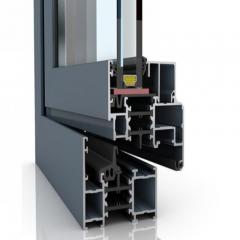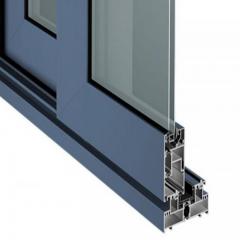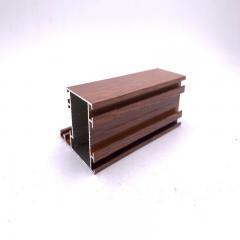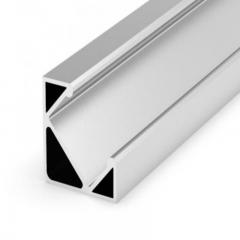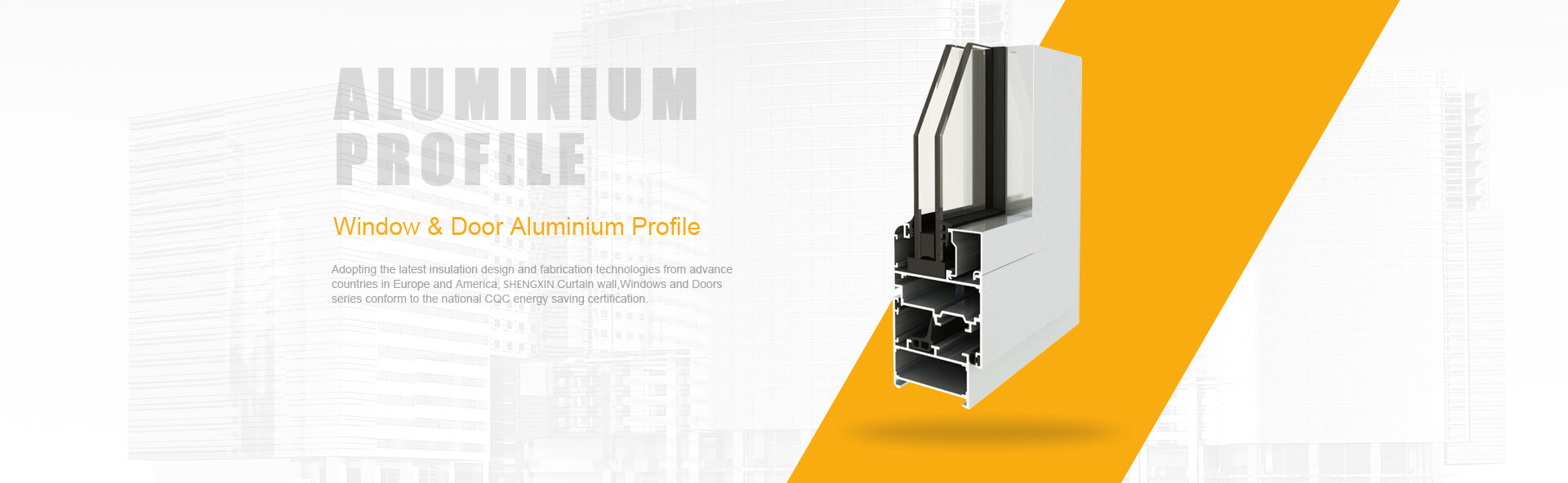
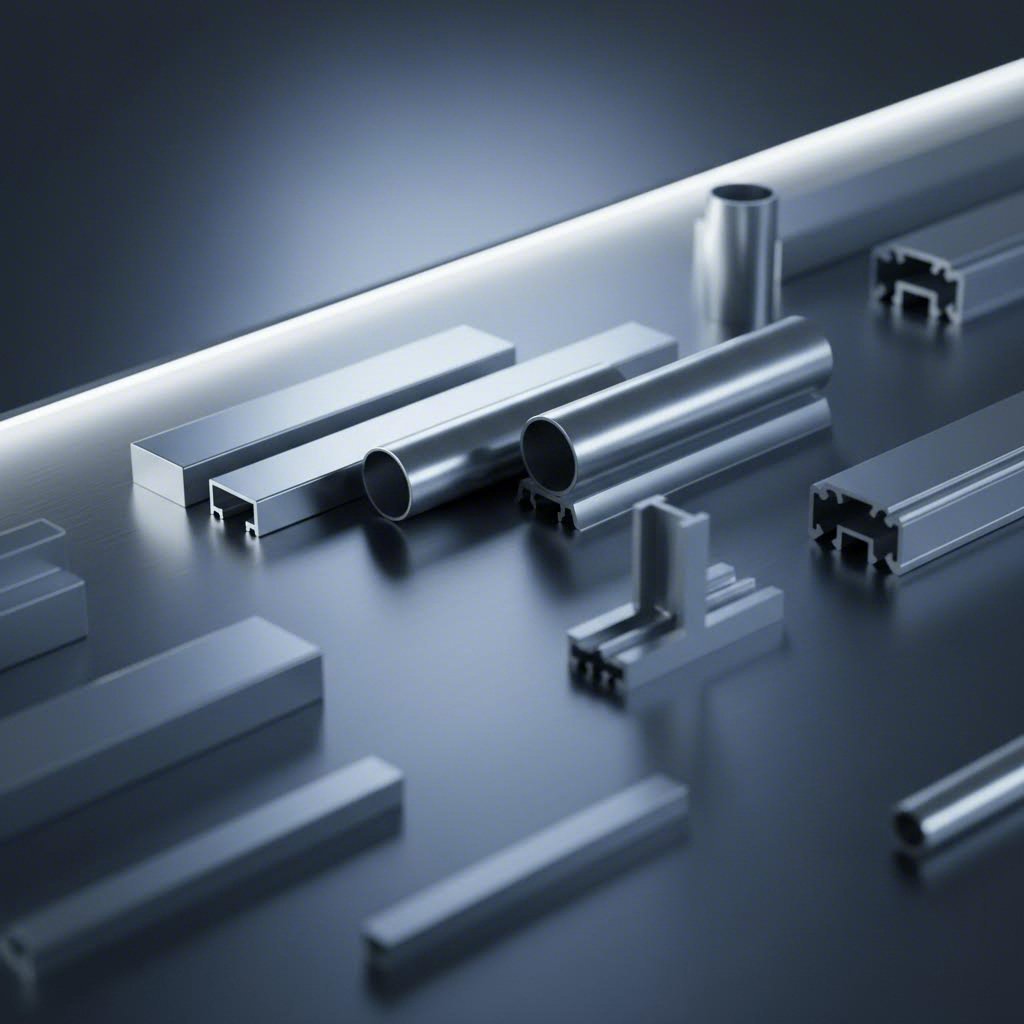
When you're sourcing metal components for a project, you'll quickly discover that not all profiles are created equal. Aluminum extrusion shapes are cross-sectional profiles produced by forcing heated aluminum alloy through a specially designed die opening. Imagine squeezing toothpaste through a shaped nozzle—the material emerges with a consistent cross-section that matches the opening's form. This process transforms raw aluminum billets into precisely engineered profiles that serve countless applications, from architectural window frames to aerospace structural components.
So, what is aluminum extrusion exactly? It's a manufacturing method where aluminum—heated to temperatures between 700°F and 930°F (375°C to 500°C)—becomes soft enough to push through a steel die under immense hydraulic pressure. The result? Extruded aluminum profiles with uniform cross-sections that can span impressive lengths while maintaining dimensional consistency throughout.
Understanding aluminum extruded shapes starts with recognizing the three fundamental categories. Each category has distinct structural characteristics, manufacturing requirements, and ideal applications:
Ever wondered what is extruded aluminum at its core? The answer lies in the die—a thick steel disk with precision-cut openings that shape the aluminum as it passes through. Dies are typically manufactured from H13 steel and heat-treated to withstand pressures reaching up to 15,000 tons during the extrusion process.
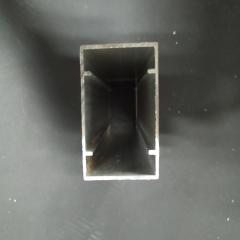
Here's how it works: as hydraulic pressure forces the softened aluminum billet against the die, the metal has nowhere to go except through the shaped opening. The aluminum literally flows through the die's profile, emerging on the other side as a fully formed extrusion. For hollow shapes, the material splits around the die's internal mandrel and welds back together under pressure—creating seamless tubular profiles.
This relationship between die design and achievable shapes is critical. Complex profiles with thin walls, tight corners, or intricate details require more sophisticated tooling and careful engineering. Understanding these fundamentals helps you appreciate why certain aluminum extrusion shapes cost more than others—and why working with experienced manufacturers matters for achieving precise, consistent results.
Now that you understand the three fundamental shape categories, let's explore the specific aluminum extrusion profiles you'll encounter when shopping for components. Each profile type offers unique structural characteristics tailored to particular applications. Whether you're building a machine frame, designing architectural elements, or fabricating custom equipment, knowing these classifications helps you select the right profile from the start.
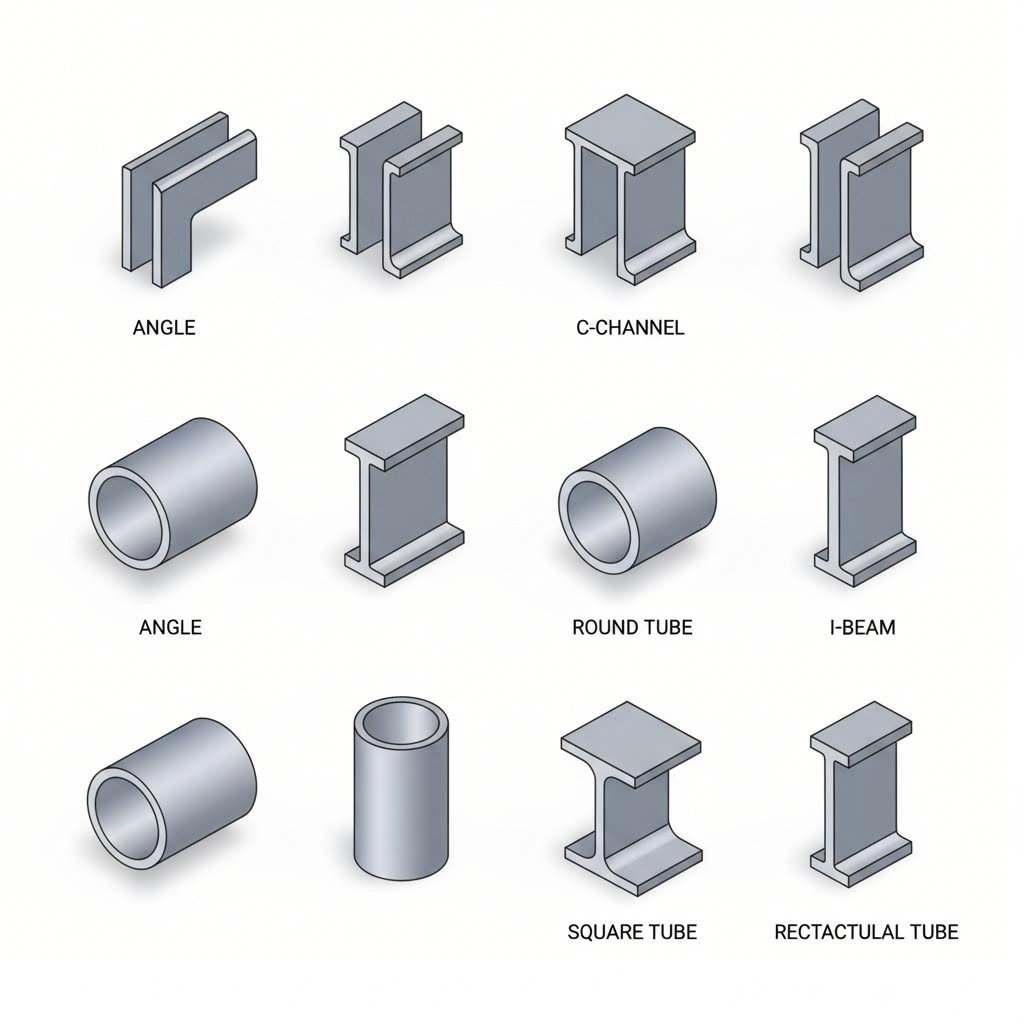
Think of standard profiles as the building blocks of aluminum fabrication. These shapes have been refined over decades of industrial use, offering proven performance across countless applications. Here's a comprehensive breakdown of each type:
| Shape Type | Cross-Section Description | Key Structural Properties | Common Applications |
|---|---|---|---|
| Aluminum Angle | L-shaped profile with two perpendicular legs of equal or unequal length | Excellent corner reinforcement; provides rigidity in two planes; resists bending forces | Corner brackets, structural supports, decorative trim, frame reinforcement |
| Aluminum C Channel | C-shaped profile with a flat back and two parallel flanges extending in the same direction | High load-bearing capacity; channels weight distribution; accommodates sliding components | Framing systems, tracks for sliding doors, cable management, protective casings |
| Aluminum U Channel | U-shaped profile with equal-length flanges perpendicular to the base | Symmetrical strength; ideal for edge protection; provides uniform load support | Edge trim, panel mounting, glass retention, decorative borders |
| I-Beams | H-shaped or I-shaped profile with top and bottom flanges connected by a vertical web | Superior load distribution; maximum strength-to-weight ratio; resists bending and shear forces | Structural supports, bridge components, heavy-duty frames, overhead cranes |
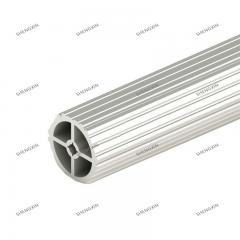
| Round Tubes | Hollow cylindrical profile with uniform wall thickness | Equal strength in all directions; efficient material use; smooth fluid flow | Railings, handles, pneumatic systems, decorative elements |
| Aluminum Square Tube | Hollow square profile with equal-length sides and uniform walls | Uniform torsional resistance; easy to join at corners; clean aesthetic appearance | Machine frames, furniture, enclosures, structural frameworks |
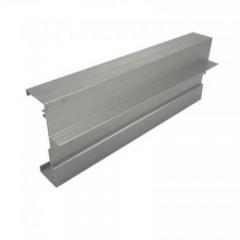
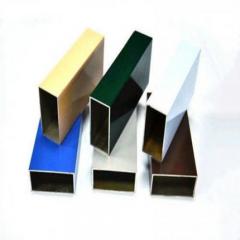
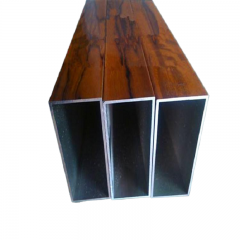
| Rectangular Tubes | Hollow rectangular profile with different width and height dimensions | Directional strength (stronger along longer axis); versatile mounting options | Equipment guards, trailer frames, architectural features, support beams |
| Bars and Rods | Solid profiles in round, square, hexagonal, or flat configurations | Maximum material density; excellent machinability; superior load-bearing in compression | Machining stock, shafts, fasteners, precision components |
| Pipes | Hollow cylindrical profiles sized by nominal bore diameter | Designed for pressure containment; smooth internal surface; standardized fitting compatibility | Fluid transport, HVAC systems, irrigation, compressed air lines |
| Zees (Z-Bars) | Z-shaped profile with offset flanges on opposite ends of the web | Strong support with precise alignment; effective panel joining; minimal visual profile | Reinforcing corners, joining panels, shelving systems, construction frameworks |
| Tees (T-Bars) | T-shaped profile with a perpendicular flange centered on the web | Balanced lateral support; anchoring capability; efficient connection point | Ceiling grids, structural connections, mounting rails, support brackets |
Selecting the right aluminum tubing or profile goes beyond appearance—you'll need to consider how each shape handles stress. Here's what makes certain profiles better suited for specific structural demands:
For Corner Reinforcement: The aluminum angle excels at strengthening corners and creating rigid L-shaped connections. According to Orange Aluminum, these profiles provide a "solid, reliable foundation for tasks calling for stability and strength." You'll find angles ranging from small 1/2" legs to heavy-duty 4"+ configurations for industrial applications.
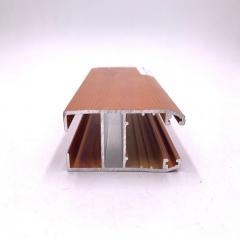
For Framing and Tracks: Both the c channel and u channel serve as fundamental framing components, but they function differently. The aluminum c channel works perfectly as a track for sliding mechanisms or cable routing, while the aluminum u channel provides symmetrical edge protection and panel mounting. Their open-sided design allows easy component insertion while maintaining structural integrity.
For Maximum Load Distribution: When you need to span distances while carrying significant weight, I-beams deliver unmatched performance. Their geometry places material where stress concentrates most—at the flanges—while the web efficiently transfers loads between them.
For Versatile Structural Frameworks: The aluminum square tube has become a staple in modern fabrication. Its hollow design reduces weight while maintaining excellent torsional resistance, and its flat surfaces make joining multiple tubes straightforward. As noted by Maxtoptek, tubes "are flexible in creating custom designs, such as solid support assemblies, elegant architectural features, and adaptable enclosures."
For Machining Stock: Solid bars and rods provide the raw material for CNC machining operations. Hexagonal bars, in particular, offer improved load-bearing capabilities and are "frequently chosen for projects that benefit from structural integrity and visual appeal."
Understanding these structural properties ensures you're not overbuilding—or worse, underbuilding—your project. The right profile selection balances weight, strength, cost, and manufacturing complexity to deliver optimal results.
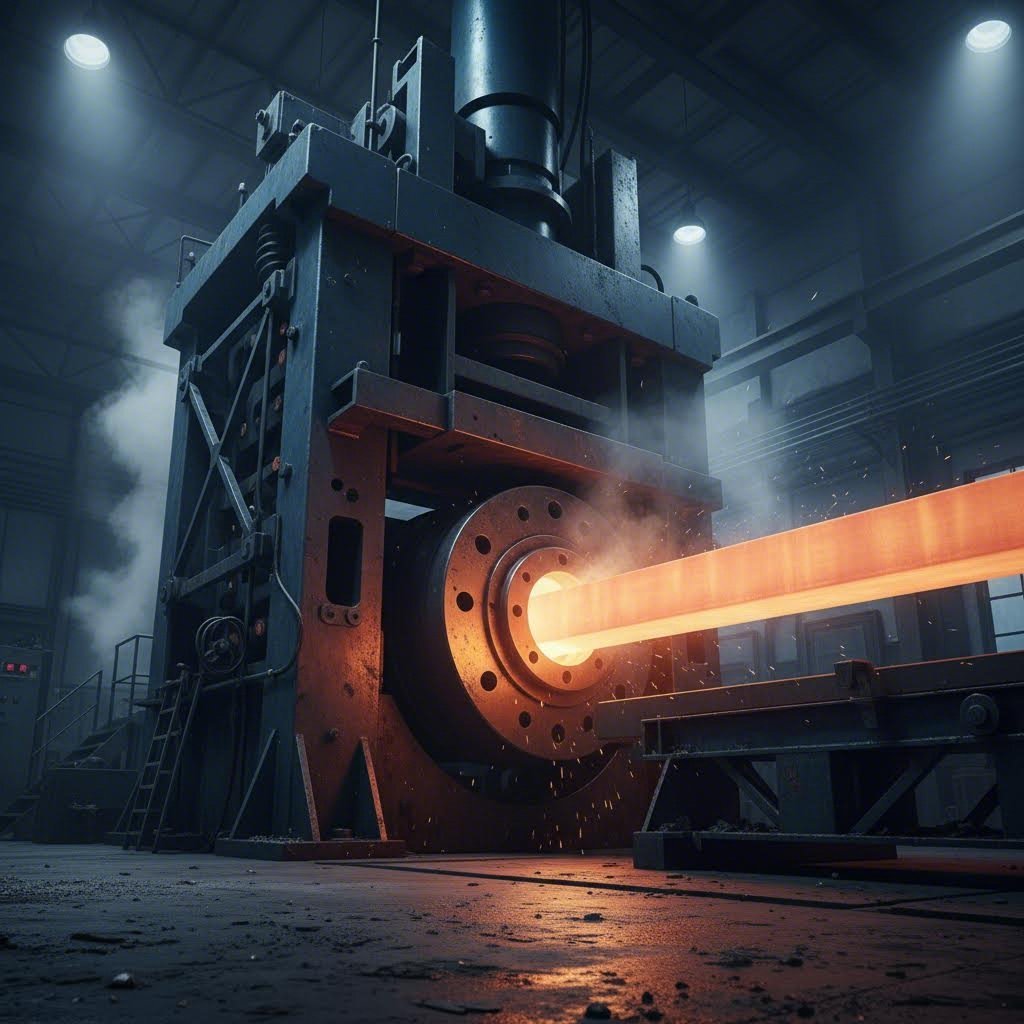
You've seen the variety of aluminum extrusion profiles available—but have you ever wondered how manufacturers transform a solid aluminum cylinder into intricate hollow tubes or precisely angled channels? Understanding the aluminium extrusion process reveals why certain shapes are easier to produce than others, and how manufacturing constraints directly influence what's possible for your project.
The extrusion of aluminium follows a carefully orchestrated sequence where temperature, pressure, and tooling work together to create consistent profiles. Each step affects the final shape's quality, dimensional accuracy, and surface finish. Let's walk through the complete journey from raw billet to finished profile.
The aluminum extrusion process transforms cylindrical aluminum billets into complex cross-sectional shapes through controlled heating and immense hydraulic pressure. Here's how each stage contributes to the final product:
After these primary steps, profiles may undergo heat treatment (aging) to achieve specific temper designations like T5 or T6, by secondary operations such as machining, drilling, or surface finishing.
The aluminum extrusion die is the heart of the process—and the primary factor determining what shapes are achievable. Think of it as a precision-engineered cookie cutter that must withstand extreme conditions while producing consistent results across thousands of extrusions.
How Die Type Affects Shape Possibilities:
Different profile categories require fundamentally different die architectures:
Critical Design Factors That Limit or Enable Shapes:
Several engineering constraints directly impact what profiles you can realistically produce:
| Design Factor | Recommended Practice | Impact on Shape Possibilities |
|---|---|---|
| Wall Thickness Ratio | Keep variations ≤ 2:1 between thickest and thinnest sections | Extreme variations cause uneven metal flow speeds, leading to distortion or surface defects |
| Corner Radii | Minimum 0.4 mm; larger radii preferred | Sharp corners concentrate stress, disrupt flow, and increase die wear—rounded corners improve surface finish and reduce extrusion force |
| Hollow Cavity Depth | Aspect ratios within 1:3 (up to 1:4 with rounded corners) | Deep, narrow voids weaken die bridges and may cause metal flow stagnation or cracking |
| Profile Symmetry | Balanced geometry whenever possible | Asymmetrical shapes create uneven stress on die tongues, increasing fracture risk |
| Circumscribing Circle Diameter (CCD) | Minimize external dimensions relative to press capacity | Larger CCDs require more extrusion force and limit available press options |
According to die design specialists, smooth transitions should replace abrupt thickness changes to prevent turbulence and flow separation. This principle explains why profiles with gradual tapers extrude more reliably than those with sudden steps.
Why This Matters for Your Project:
Understanding these manufacturing realities helps you design profiles that are both functional and producible. A shape that looks perfect on a CAD screen might be impossible—or prohibitively expensive—to extrude due to extreme wall ratios or impossibly tight corners. Working with experienced extrusion manufacturing partners early in the design process helps you optimize geometry for both performance and manufacturability, potentially saving significant tooling costs and lead time.
With a solid grasp of how the aluminum extrusion press transforms billets into profiles, you're ready to explore how specific shapes map to real-world applications across different industries.
You've learned about standard profile types and how the extrusion process creates them—but here's the question that really matters: which shape works best for your specific application? Matching the right aluminum extrusion profile to your project requires understanding how different industries leverage these versatile shapes. Let's bridge that gap by connecting specific profiles to real-world uses across major sectors.
Think of this section as your shape-to-application roadmap. Rather than guessing which profile might work, you'll see exactly how manufacturers, architects, and engineers select shapes based on proven performance in their respective fields.
Different industries demand different performance characteristics from their aluminum components. An aluminum channel that works perfectly for a sliding door track might be entirely wrong for a trailer corner application. The table below maps specific shapes to industry requirements, helping you identify the right starting point for your project:
| Industry | Recommended Shapes | Application Examples |
|---|---|---|
| Architecture & Construction | Channels (C and U), custom profiles, angles, I-beams | Window and door frames, curtain walls, roofing systems, façade cladding, structural frameworks, door track systems for sliding panels |
| Industrial Machinery | T-slot profiles, square tubes, rectangular tubes, angles | Machine guarding, equipment enclosures, conveyor frames, assembly line structures, workstation frameworks using aluminum framing systems |
| Transportation | Angles, custom profiles, channels, rectangular tubes | Trailer corner reinforcement, boat rub rail protection, vehicle aluminum trim, chassis components, body structure reinforcements |
| Electronics & Electrical | Hollow profiles, finned extrusions, channels, enclosure profiles | Heat sinks for thermal management, LED lighting fixtures, electrical enclosures, cable management systems, component housings |
| Furniture & Interior Design | Round tubes, square tubes, channels, custom profiles | Office furniture aluminum frame construction, retail display systems, shelving units, decorative architectural elements |
| Marine & Offshore | Angles, channels, round tubes, custom profiles | Boat rub rail protection strips, marine decking supports, offshore structural components, dock hardware |
| Renewable Energy | Channels, T-slots, rectangular tubes, angles | Solar panel mounting frames, wind turbine components, racking systems, electrical infrastructure supports |
According to BRT Extrusions, "the lightweight nature of aluminum allows for ease of installation while providing structural stability" in architectural applications—making channels and custom profiles ideal for window and curtain wall systems where weight reduction matters without sacrificing strength.
Now let's examine how specific applications within each sector dictate shape selection. Understanding these connections helps you move beyond generic recommendations to precise profile matching.
Architectural Applications:
When designing window frames or curtain walls, architects typically specify aluminum channel profiles for their ability to accept glass panels while providing clean sight lines. The aluminum frame systems in modern buildings rely heavily on custom extrusions that integrate thermal breaks, weatherstripping grooves, and hardware mounting points into single profiles. For sliding door track applications, C-channels offer the smooth, enclosed runway that rollers require while keeping debris out of the mechanism.
Industrial Machinery and Automation:
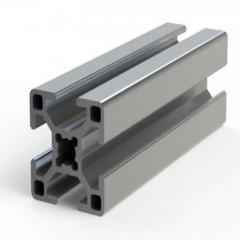
The T-slot aluminum framing system has revolutionized industrial equipment construction. As demonstrated by 80/20's building systems, these profiles enable "custom aluminum framing that lets you design your own machine guarding and enclosures." The T-slot geometry accepts standard fasteners and connectors at any point along its length, allowing rapid reconfiguration as production needs change. Square and rectangular tubes complement T-slots for structural framework applications where continuous access slots aren't necessary.
Transportation Sector:
Vehicle manufacturers face unique challenges—components must be lightweight yet durable enough to withstand vibration, impact, and environmental exposure. A trailer corner requires angle profiles that reinforce vulnerable junction points while accepting mounting hardware for panels and accessories. Boat rub rail applications demand custom profiles engineered to absorb dock impacts while protecting hull surfaces. The automotive industry extensively uses extrusions for aluminum trim components that combine aesthetic appeal with corrosion resistance.
Electronics and Thermal Management:
Heat dissipation drives shape selection in electronics applications. Thermal management specialists explain that extruded heat sinks use finned profiles specifically designed to maximize surface area for convective cooling. The aluminum extrusion process enables complex fin geometries that would be impossible or prohibitively expensive to machine from solid stock. Hollow enclosure profiles serve dual purposes: protecting sensitive components while providing surfaces for heat transfer.
Making the Right Match:
Selecting the optimal aluminum extrusion shape comes down to identifying your primary functional requirements:
With this shape-to-application framework established, you're equipped to narrow your profile selection based on proven industry practices. The next consideration? Ensuring the aluminum alloy you choose complements your selected shape for optimal performance.
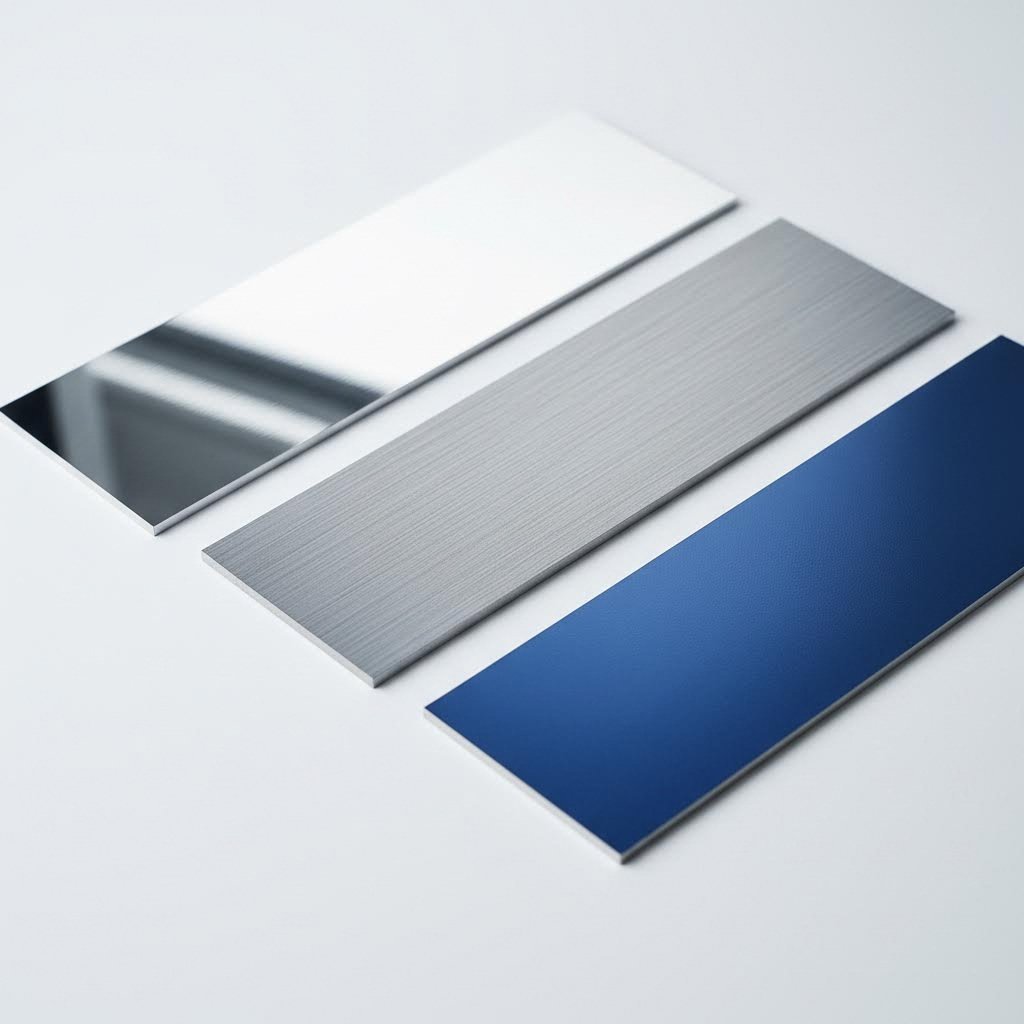
You've identified the perfect aluminum extrusion shape for your project—but here's a critical question many overlook: which alloy should that shape be made from? The relationship between aluminum alloys and extruded aluminum profiles directly impacts everything from surface finish quality to structural performance. Selecting the wrong alloy for your shape can result in manufacturing difficulties, subpar aesthetics, or inadequate strength.
Think of it this way: the shape determines what your profile can do geometrically, while the alloy determines what it can withstand physically. Let's explore how different alloys complement specific profile aluminum applications.
The 6000-series aluminum alloys dominate extrusion applications because they balance extrudability with mechanical performance. However, each alloy within this series offers distinct advantages for particular aluminum shapes and use cases:
How Alloy Choice Affects Your Shape:
Complex geometries with thin walls and tight corners require alloys that flow smoothly through dies. Industry guidance confirms that "complex geometries and thin walls require aluminum alloys like 6063" to ensure uniform shapes and minimize distortion. Conversely, solid aluminum bar profiles and heavy structural shapes benefit from 6061's higher strength, even though the alloy demands more extrusion force.
The alloy tells you the aluminum's chemical makeup—but the temper designation reveals how it's been treated to achieve specific properties. When specifying aluminum shapes, you'll commonly encounter T5 and T6 tempers:
T5 excels in surface finish and formability; T6 delivers increased strength and dimensional precision.
Practical Temper Selection:
For architectural aluminum profiles like curtain walls, display systems, and decorative extrusions, T5's superior surface finish makes it the logical choice. For structural supports, automotive frames, and mechanical brackets, T6's enhanced strength justifies the slightly reduced workability. Both tempers maintain excellent corrosion resistance, making them suitable for outdoor and marine applications.
Understanding this alloy-to-shape relationship empowers you to specify materials precisely. Rather than accepting whatever alloy a supplier stocks, you can now request the optimal combination for your aluminum shapes—balancing extrudability, surface quality, and mechanical performance for your specific application.
You've identified the ideal aluminum extrusion profile and selected the right alloy—but now comes a decision that significantly impacts your project's budget and timeline: should you specify standard aluminum extrusions or invest in custom aluminum extrusions? This choice affects everything from upfront costs to long-term value, and understanding the trade-offs helps you make the right call for your specific situation.
Sounds complex? It doesn't have to be. Standard shapes offer immediate availability and lower costs, while custom profiles deliver design freedom and optimized performance. The key is matching your project's requirements to the option that delivers the best overall value—not just the lowest initial price.
When comparing standard and custom aluminum extrusion profiles, several factors determine which option makes financial sense. Let's break down the key considerations:
| Factor | Standard Aluminum Extrusions | Custom Aluminum Extrusions |
|---|---|---|
| Initial Cost | 30-50% lower upfront; no tooling investment required | Higher due to die costs ($1,250-$5,000+); 20-40% premium on per-unit pricing initially |
| Tooling Investment | $0 – uses existing dies from mass production | $1,250 for solid profiles; $1,950 for hollow; up to $5,000+ for complex multi-hollow dies |
| Lead Time | 7-14 days typical; often in-stock for immediate shipment | 15-30 days; includes die design, manufacturing, and production setup |
| Minimum Order Quantity | Often available in small quantities; low or no minimums | Typically 1,000-2,000 lbs per shape; some suppliers negotiate for smaller batches |
| Design Freedom | Limited to existing catalog profiles; must adapt design to available shapes | Nearly unlimited; create profiles that match exact specifications and integrate multiple functions |
| Best For | Simple projects, low volumes, tight deadlines, budget-conscious applications | Large-scale production, specialized requirements, weight-sensitive applications, unique aesthetics |
According to industry data, standard aluminum channel extrusions and other stock profiles typically cost 30% to 50% less than equivalent custom designs. This price advantage stems from mass production efficiencies—manufacturers produce standard shapes in large quantities using existing dies, spreading tooling costs across thousands of customers.
Understanding Tooling Costs:
The die investment represents the most significant upfront difference between standard and custom options. Here's what you can expect based on profile complexity:
Remember—you pay tooling fees only once per unique design. If you're planning high-volume production, that initial investment spreads across every unit, dramatically reducing per-piece costs over time.
Custom aluminum extrusions often appear more expensive at first glance, but several scenarios flip the cost equation in their favor:
High-Volume Production:
As production quantities increase, custom profiles become increasingly cost-effective. Consider this relationship:
| Production Volume | Die Cost Impact | Setup Cost Impact | Relative Total Unit Cost |
|---|---|---|---|
| Low (500m) | High per-unit | High per-unit | Very High |
| Medium (2,000m) | Moderate per-unit | Moderate per-unit | Moderate |
| High (10,000m+) | Low per-unit | Low per-unit | Low—often competitive with standard |
Integrated Functionality:
Custom aluminum extrusion profiles can incorporate features that would otherwise require secondary operations. According to The Fabricator, "the extrusion process places the metal where you desire it to be for aesthetic, structural, or functional purposes." By integrating screw ports, T-slots, cable channels, or mounting features directly into the aluminum extrusion profile, you eliminate welding, drilling, and assembly steps—saving labor costs while improving structural integrity.
Optimized Material Usage:
Standard shapes often include more material than your application requires. Custom profiles place aluminum precisely where structural analysis indicates it's needed—reducing weight and material costs. Industries like aerospace and electric vehicles rely heavily on this optimization, where every gram matters for performance and efficiency.
Long-Term Durability Advantages:
Custom profiles designed specifically for your application often outlast standard alternatives. They can incorporate:
Understanding Dimensional Tolerances:
When evaluating extruded aluminum sizes, tolerances matter significantly for assembly and function. Standard commercial tolerances follow industry specifications published by The Aluminum Association, but many extruders hold significantly tighter dimensions. Custom profiles allow you to specify precisely where tight tolerances are critical—potentially on mating surfaces or visible edges—while allowing standard tolerances elsewhere. This targeted approach controls costs while ensuring fit and function where it matters most.
The available aluminum extrusion sizes for standard profiles typically follow established dimensional series, limiting your options. Custom extrusions remove this constraint entirely, enabling exact dimensions optimized for your specific assembly requirements.
If your project requires a unique design and you expect high production volumes, custom aluminum extrusions can help you save money and improve efficiency over the product lifecycle.
Making the right choice between standard and custom profiles requires honest assessment of your project's scale, timeline, and performance requirements. For simple applications with modest volumes and tight deadlines, standard shapes deliver proven performance at predictable costs. For specialized applications, large production runs, or designs requiring optimized weight and integrated functionality, custom extrusions often provide superior long-term value despite higher initial investment.
With the standard versus custom decision framework established, you're ready to tackle the final step: developing a systematic approach to selecting the ideal aluminum extrusion shape for your specific project requirements.
You've explored the types of extruded aluminum available, understood the manufacturing process, and weighed the standard versus custom decision. Now comes the moment of truth: how do you actually choose the right extrusion shapes for your specific project? Most resources assume you already know what you need—but if that were the case, you wouldn't be researching.
Let's change that. This section provides a systematic decision-making framework that guides you from initial requirements to final specification. Whether you're selecting an aluminum pipe for fluid transport, aluminum square tubing for structural framing, or a rectangular tube for equipment guards, these five steps ensure you match the right profile to your project's unique demands.
Choosing the optimal aluminum extrusion shape isn't about guesswork—it's about methodically evaluating your requirements against available options. Follow this step-by-step process to narrow your selection with confidence:
Once you've worked through the selection steps, you'll need to communicate your requirements clearly to potential suppliers. Preparing comprehensive specifications upfront accelerates the quoting process and reduces back-and-forth delays. Here's what information to gather before contacting extrusion partners:
Essential Specification Elements:
Working Effectively with Suppliers:
Experienced extrusion partners do more than fill orders—they help optimize your design for manufacturability and cost-effectiveness. Industry specialists note that suppliers "aid clients in refining their designs for extrusion, ensuring both cost-effectiveness and functionality." Don't hesitate to share your application context; understanding how the profile will be used helps engineers suggest improvements you might not have considered.
Ask potential suppliers about:
The more completely you define your requirements upfront, the more accurately suppliers can quote—and the fewer surprises you'll encounter during production.
With your selection methodology established and specifications prepared, you're positioned to engage suppliers as an informed buyer. The final consideration? Ensuring your extrusion partner offers the comprehensive capabilities needed to take your project from die development through finished product delivery.
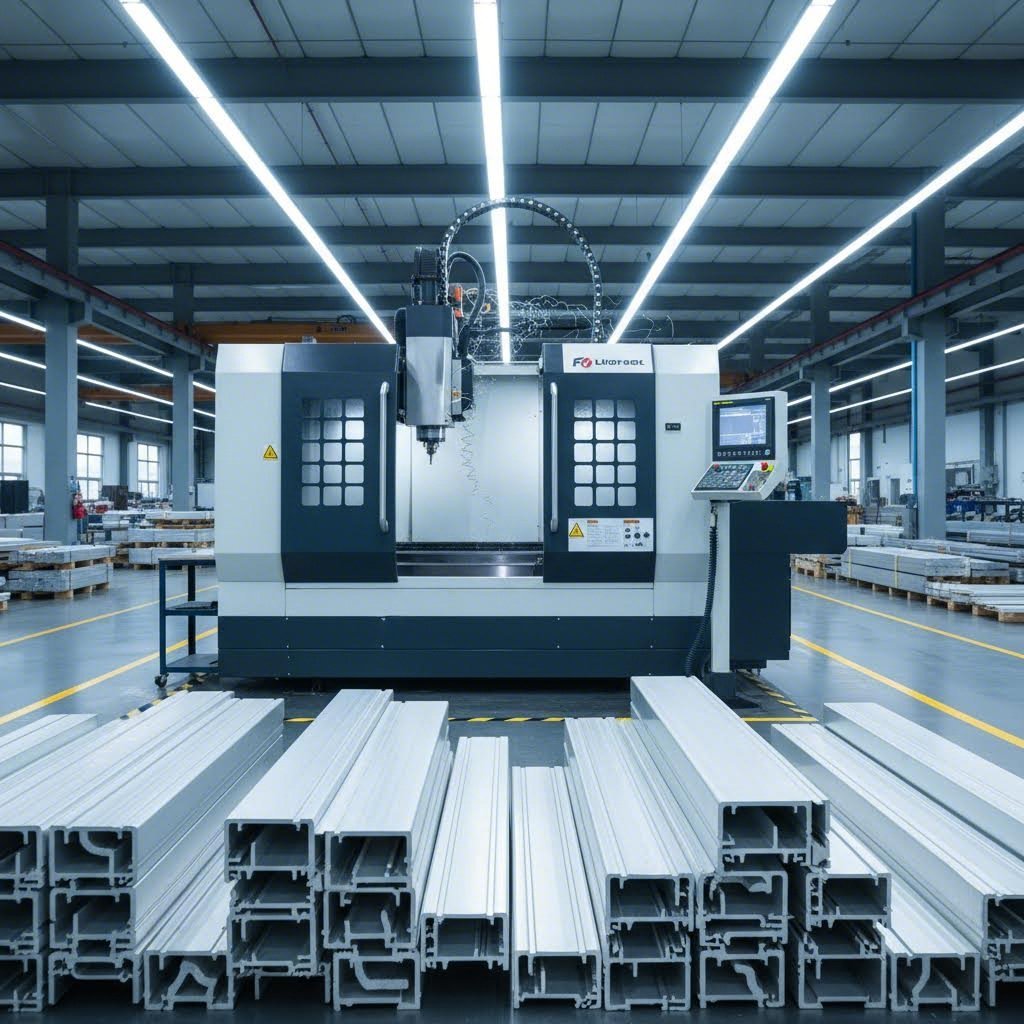
You've identified your ideal profile, selected the right alloy, and prepared detailed specifications. Now comes perhaps the most consequential decision of all: choosing the right aluminum extrusion companies to bring your project to life. The difference between a capable partner and an average supplier often determines whether your aluminum extrusions arrive ready for assembly—or require costly rework and delays.
Think about it this way: the best-designed profile means nothing if your manufacturer lacks the press capacity to produce it, the machining capabilities to finish it, or the surface treatment options to protect it. Precision extrusion demands more than just equipment—it requires integrated capabilities that transform raw billets into finished components ready for your production line.
When evaluating aluminum extrusion suppliers, focus on three core capability categories that directly impact quality, lead time, and total project cost. A comprehensive partner handles all three in-house, eliminating the logistical complexity of coordinating multiple vendors.
The most valuable aluminum extrusion services extend beyond manufacturing into true partnership. Custom aluminum extrusion manufacturers who support your project from initial concept through volume production deliver measurable advantages:
Design for Manufacturability (DfM) Support:
Experienced partners review your profile designs before tooling begins, identifying potential issues and suggesting optimizations. According to aluminum extrusion specialists, "a great manufacturer can often provide Design for Manufacturability feedback" that simplifies extrusion, reduces tooling costs, or improves functionality without compromising your design intent.
In-House Die Development:
Manufacturers controlling their own die design and fabrication respond faster to revisions and maintain tighter quality control. When die issues arise during trials, in-house tooling teams can iterate rapidly rather than waiting on external vendors.
Comprehensive Quality Systems:
Verify that potential partners maintain ISO-certified quality management systems, dimensional verification equipment (CMMs, optical scanners), and material testing capabilities. These systems ensure consistent results across production runs and provide documentation your quality team requires.
Example of Integrated Capabilities:
Consider what comprehensive capability looks like in practice. Shengxin Aluminium, with over 30 years of industry experience, exemplifies the integrated approach: 35 extrusion presses ranging from 600T to 5500T cover everything from delicate architectural profiles to heavy industrial shapes. Their CNC machining centers handle precise cutting, drilling, and bending operations, while surface treatment facilities offer anodizing in custom colors (including champagne and rose gold), powder coating, PVDF, and micro-arc oxidation. This end-to-end support—from die development through mass production—means projects flow through a single accountable partner rather than fragmented across multiple vendors. Explore their custom aluminum extrusion and deep processing services to see how integrated capabilities streamline complex projects.
Questions to Ask Potential Partners:
Choosing aluminum extrusion companies based solely on quoted price often leads to hidden costs—delayed shipments, quality issues, and coordination headaches when problems arise between disconnected suppliers. Investing time to verify comprehensive capabilities upfront pays dividends throughout your production lifecycle, ensuring your aluminum extrusion shapes arrive ready for integration rather than requiring rescue operations.
Aluminum extrusion shapes fall into three fundamental categories: solid shapes (bars, rods, angles, flat stock), hollow shapes (tubes, pipes, multi-void profiles like T-slots), and semi-hollow shapes (channels with partially enclosed voids). Within these categories, standard profiles include angles, C-channels, U-channels, I-beams, round tubes, square tubes, rectangular tubes, bars, pipes, zees, and tees. Each type offers distinct structural properties suited to specific applications, from corner reinforcement to load distribution.
The aluminum extrusion process involves heating aluminum billets to 700-930°F until malleable, then forcing the softened metal through a steel die under hydraulic pressure ranging from 1,000 to 15,000 tons. The aluminum emerges with a consistent cross-section matching the die opening. After extrusion, profiles undergo cooling, stretching for straightness, cutting to length, and often heat treatment to achieve specific temper designations like T5 or T6.
Choose standard extrusions for simple projects, low volumes, tight deadlines, and budget-conscious applications—they cost 30-50% less with no tooling investment and ship within 7-14 days. Opt for custom extrusions for high-volume production, specialized requirements, or integrated functionality needs. Custom profiles require die investment ($1,250-$5,000+) and longer lead times (15-30 days), but become cost-effective at scale by eliminating secondary operations and optimizing material use.
The best alloy depends on your application. 6063 aluminum is ideal for architectural profiles requiring smooth surface finishes and complex geometries, though it has moderate strength. 6061 aluminum offers superior strength (40,000 psi yield in T6 temper) for structural applications and machining stock. 6005A provides a middle ground with 6061-like strength and improved extrudability for complex designs. Temper also matters: T5 excels in surface finish and formability, while T6 delivers maximum strength.
Key factors include wall thickness ratio (keep variations within 2:1), corner radii (minimum 0.4mm, larger preferred), hollow cavity depth (aspect ratios within 1:3), profile symmetry, and circumscribing circle diameter. Sharp corners concentrate stress and disrupt metal flow, while extreme wall variations cause distortion. Working with experienced manufacturers early in design helps optimize geometry for both performance and manufacturability, potentially saving significant tooling costs.



 Onlineservice
 0086 136 3563 2360
 sales@sxalu.com
 +86 136 3563 2360
 Deutsch
 English
 français
 русский
 español
 português
 العربية
 ไทย
 Việt
 Українська