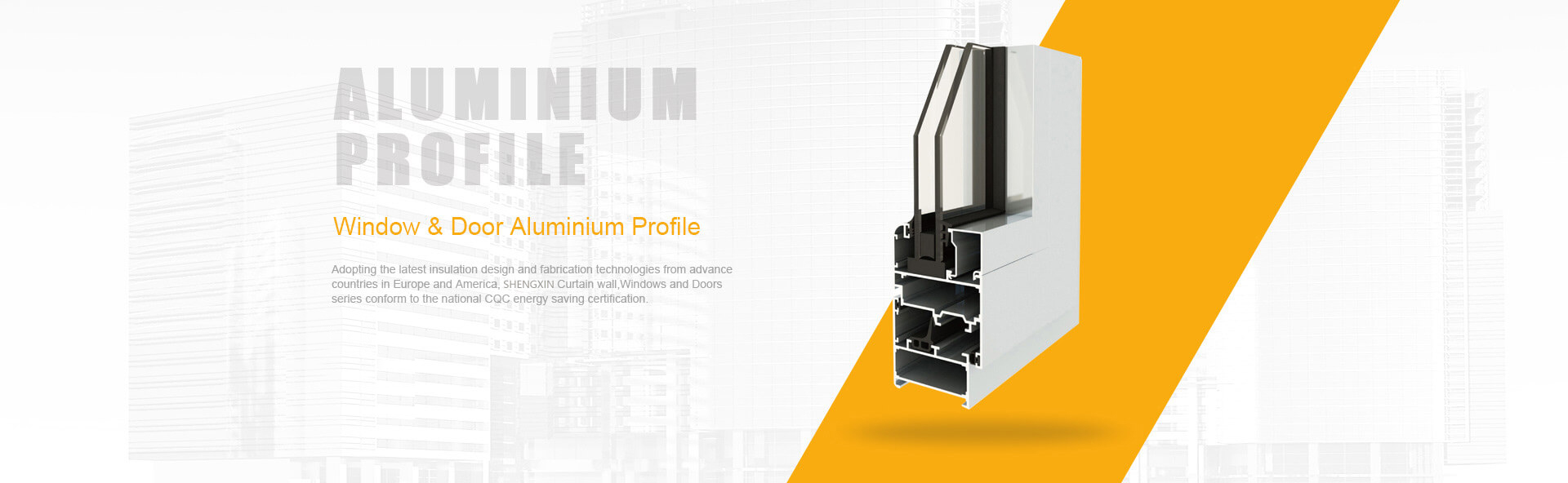

When you're sourcing precision aluminium extrusion parts for your next project, understanding exactly what type of supplier you're dealing with can save you months of frustration. Not all aluminum extrusion CNC suppliers offer the same capabilities, and confusing one type for another is a costly mistake buyers make far too often.
Think of these suppliers as specialists who transform raw aluminum into finished, precision-machined components. They combine two distinct manufacturing processes: extrusion (forcing heated aluminum through a shaped die to create consistent profiles) and CNC machining (using computer-controlled tools to cut, drill, and mill those profiles into final parts).
According to Mechanical Power Inc., aluminum extrusion fabrication includes precision cutting, CNC machining, mitering, punching, notching, drilling, and high-speed cutting. These secondary operations transform basic extruded shapes into functional components ready for assembly.
Here are the core services you'll typically find these suppliers offering:
Here's where things get interesting. You'll encounter two fundamentally different business models when searching for aluminum extrusion machining partners.
Integrated providers handle everything under one roof. They extrude the aluminum profiles, perform all CNC machining operations, and apply surface treatments. This means your project flows seamlessly from raw billet to finished part without changing hands.
Secondary processing providers focus exclusively on aluminium extrusion machining. They purchase pre-made extrusions from separate suppliers and add value through CNC operations. While they may excel at precision machining, they don't control the initial extrusion quality.
Why does this distinction matter? Imagine discovering that your machined parts don't meet tolerance specs. With an integrated supplier, there's one point of accountability. With a fragmented supply chain, you might find yourself caught between finger-pointing vendors.
Before you begin comparing quotes or evaluating lead times, take a step back. Understanding whether a potential partner offers true end-to-end aluminum extrusion machining capabilities—or simply one piece of the puzzle—fundamentally shapes your project outcomes, timeline predictability, and total cost of ownership.
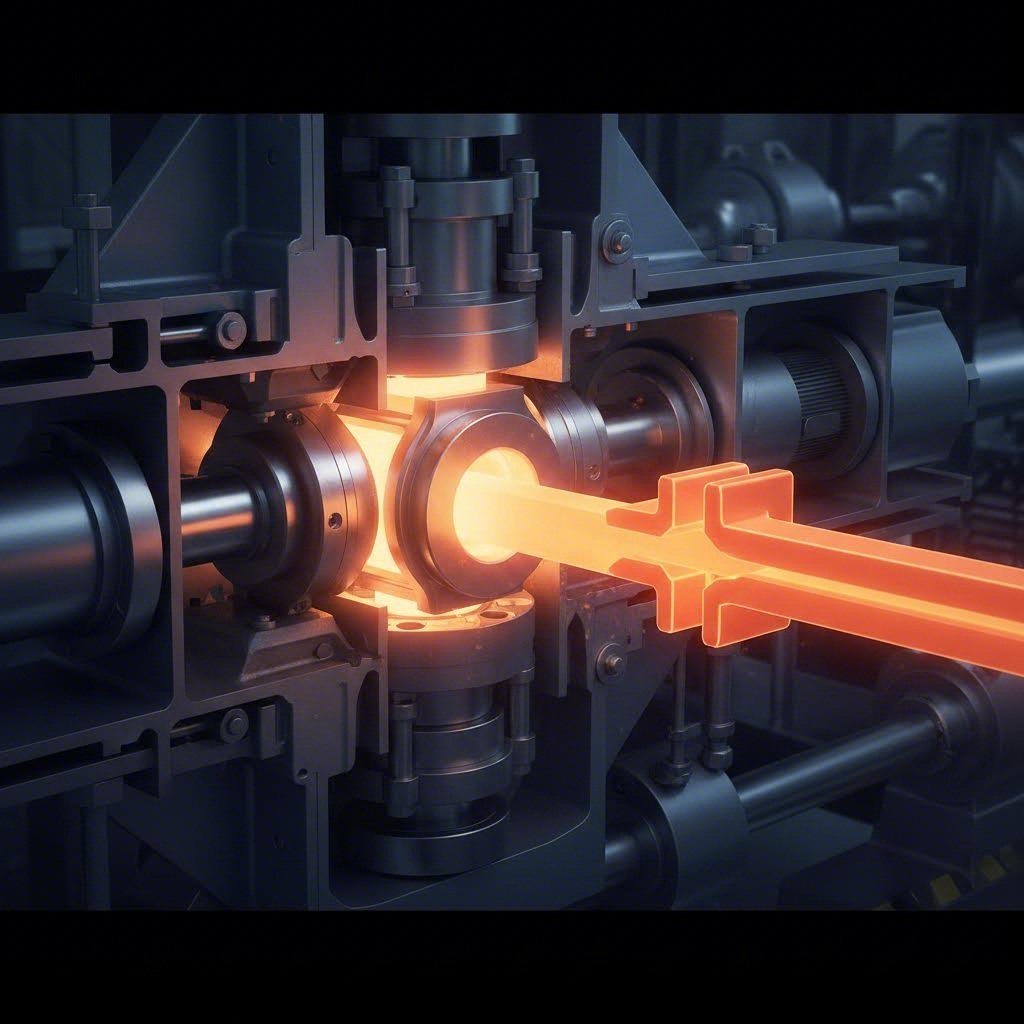
Ever wondered what actually happens between uploading your CAD file and receiving a box of precision machined aluminum extrusion parts? Most buyers don't—and that knowledge gap often leads to miscommunication, unexpected delays, and quality issues. Understanding the complete extrusion machining workflow transforms you from a passive order-placer into an informed partner who can spot problems before they derail your project.
The journey from concept to completed part involves more steps than most buyers realize. Each stage builds upon the previous one, meaning a misstep early in the process compounds throughout production. When you understand this flow, you'll know exactly which questions to ask and when to ask them.
Here's the complete aluminum extrusion line workflow, broken into its essential stages:
Not all stages carry equal weight for every project. Understanding which steps most impact your specific requirements helps you communicate priorities effectively to potential suppliers.
Die quality determines profile accuracy. The die manufacturing process alone involves dozens of steps including steel selection, CNC machining, electroplating, and assembly inspection. Typically, at least twenty different dimensions are inspected during die CNC machining—highlighting just how critical this foundational stage is for everything that follows.
Heat treatment defines mechanical properties. If your application demands specific strength characteristics, the T5 or T6 temper designations matter enormously. Suppliers who rush or skip proper heat treatment protocols deliver parts that look correct but fail under load.
CNC machining precision depends on upstream quality. Even the most sophisticated machining center can't compensate for dimensional inconsistencies introduced during extrusion. This is precisely why integrated suppliers who control the entire aluminum extrusion line often deliver more consistent results than fragmented supply chains.
When you approach supplier discussions armed with this workflow knowledge, you'll ask better questions about capabilities at each stage. You'll recognize when quoted lead times seem unrealistic. And you'll understand why cutting corners at any point compromises your final parts.
With this production foundation established, the next logical question becomes: how do you actually evaluate whether a specific supplier can execute this workflow to the standards your project demands?
You've identified potential suppliers. You understand the production workflow. Now comes the step most buyers rush through—and later regret. Properly vetting a cnc aluminium extrusion partner before committing to production orders separates successful projects from costly disasters. Yet surprisingly, most procurement guides skip this critical evaluation phase entirely.
Think about it this way: you're not just buying parts. You're selecting a manufacturing partner whose capabilities, reliability, and communication practices will directly impact your production schedules, product quality, and ultimately your reputation with your own customers.
Before requesting quotes, you need answers to questions that reveal whether a supplier can actually deliver what they promise. According to supplier qualification frameworks from Process Street, evaluating production capacity, technical expertise, and quality control procedures forms the foundation of effective supplier vetting.
Here are the critical questions organized by evaluation category:
Knowing what to watch for helps you avoid suppliers who look good on paper but fail in execution. As noted in OGS Industries' supplier risk management guide, conducting thorough due diligence and looking for red flags is essential when evaluating metal manufacturing partners.
Walk away—or at minimum proceed with extreme caution—when you encounter:
Different supplier types excel in different areas. A cnc machine for aluminum extrusions at a large manufacturer operates differently than one at a specialty shop. Understanding these distinctions helps you match supplier strengths to your project requirements.
| Evaluation Criteria | Large Manufacturers | Specialty Shops | Overseas Suppliers |
|---|---|---|---|
| Production Capacity | High volume capability; may have minimum order requirements that exclude small runs | Flexible volumes; ideal for prototypes and small batches | Very high capacity; best suited for large production volumes |
| Lead Times | Moderate; established processes but queued scheduling | Often faster for small orders; more scheduling flexibility | Longer due to shipping; 4-8 weeks typical after production |
| Quality Systems | Robust certifications; documented procedures; consistent results | Variable; verify certifications carefully | Verify independently; on-site audits strongly recommended |
| Communication | Structured but may feel bureaucratic; dedicated account managers | Direct access to decision-makers; responsive | Time zone challenges; language barriers possible |
| Pricing | Competitive for volume; setup costs spread across larger orders | Higher per-unit costs; lower setup minimums | Lowest unit costs; factor shipping and tariff risks |
| Traceability | Full documentation; material certifications standard | Usually available; confirm capability | Harder to verify; per Shengen Fab, tracing materials through overseas supply chains creates liability risk |
| Risk Level | Lower; established operations and financial stability | Moderate; verify financial health | Higher; geopolitical and logistics variables per industry research |
Nothing replaces physical evidence. Request sample parts before committing to production orders—even if it costs extra and adds time. These samples reveal machining quality, surface finish consistency, and dimensional accuracy in ways photographs and specifications cannot.
When evaluating samples, check:
Facility tours—whether in-person or virtual—provide equally valuable insights. According to Process Street's supplier qualification checklist, visiting a potential supplier's premises validates information they've provided and assesses compliance with industry standards.
During facility verification, observe equipment condition, workplace organization, and how employees interact with quality checkpoints. A well-maintained facility with clear process flows typically produces better aluminum precision machining results than chaotic operations regardless of what their marketing materials claim.
Taking time upfront to properly vet suppliers prevents the far more expensive lessons of production failures, missed deadlines, and quality escapes. With your evaluation framework established, the next consideration becomes understanding what specific certifications and tolerance standards your application actually requires.
You've asked the right questions. You've spotted the red flags. But here's where many buyers stumble: they accept vague assurances about quality without understanding what specific certifications and tolerance capabilities actually mean for their projects. When a supplier claims they deliver "high precision aluminum profile cnc" work, what does that actually translate to in measurable terms?
Understanding quality certifications and tolerance specifications isn't just bureaucratic box-checking. These standards directly predict whether your extruded aluminum cnc parts will function correctly, pass regulatory inspections, and meet your customers' expectations.
Not all certifications carry equal weight for every application. The certifications you should prioritize depend entirely on your industry and end-use requirements. According to SPIROL's quality documentation, leading precision manufacturers maintain multiple certifications including IATF 16949:2016, ISO 9001:2015, AS9100:2016, and specialized Nadcap accreditations for chemical processing and laser beam machining.
Here's what each major certification actually tells you about a supplier's capabilities:
Consider this the baseline expectation. ISO 9001 certification indicates a supplier has established quality management systems covering documentation, process control, and continuous improvement. Any serious precision aluminum extrusion partner should hold current ISO 9001 certification—its absence is a significant red flag regardless of your industry.
If your components touch aerospace or defense applications, AS9100D certification becomes non-negotiable. This standard builds upon ISO 9001 but adds aerospace-specific requirements for traceability, configuration management, and risk mitigation. Suppliers serving aerospace markets must demonstrate complete material traceability from raw billet through finished part—critical when component failure could endanger lives.
Automotive applications demand IATF 16949 certification, which emphasizes defect prevention, variation reduction, and supply chain management. This standard requires suppliers to implement advanced product quality planning (APQP) and production part approval processes (PPAP). If you're sourcing aluminum profile cnc components for automotive assemblies, verify this certification is current and covers the specific processes you'll require.
For surface treatments, heat treatment, or specialized machining operations, Nadcap accreditation provides the highest level of process validation. As noted in SPIROL's certifications, Nadcap covers chemical processing (AC7108), laser beam machining (AC7116), and other specialized operations. This accreditation requires rigorous audits of actual process execution, not just documentation systems.
Sounds complex? It doesn't have to be. Tolerance specifications define how much dimensional variation is acceptable in your finished parts. Tighter tolerances mean more precision—but also higher costs and longer lead times. The key is matching tolerance requirements to actual functional needs.
According to Xometry's tolerance standards guide, ISO 2768 and ISO 286 provide the standardized framework used across Europe and much of the manufacturing world. In the United States, ASME standards like B4.1 and Y14.5 serve equivalent purposes.
This standard applies by default to dimensions without specific tolerance callouts on your drawings. ISO 2768 defines tolerance classes including Fine (f) and Medium (m), with permissible deviations varying based on nominal dimension ranges. For example, a 50mm dimension under the Fine tolerance class allows deviation of ±0.15mm.
When your precision aluminum extrusion components require tighter dimensional control—particularly for fits between mating parts—ISO 286 grades apply. This standard defines tolerance grades from IT1 (tightest) through IT18 (loosest), with IT6, IT7, and IT8 being common for precision machined components.
| Tolerance Class | Typical Range | Common Applications | Cost Impact |
|---|---|---|---|
| ISO 2768-m (Medium) | ±0.1mm to ±0.3mm depending on size | General structural components, housings, brackets | Standard pricing |
| ISO 2768-f (Fine) | ±0.05mm to ±0.15mm depending on size | Connector housings, valve bodies, precision assemblies | 10-20% premium |
| ISO 286 IT8 | ±0.027mm for 50mm nominal | Sliding fits, location fits for interchangeable parts | 20-35% premium |
| ISO 286 IT7 | ±0.019mm for 50mm nominal | Precision bearing fits, hydraulic components | 35-50% premium |
| ISO 286 IT6 | ±0.012mm for 50mm nominal | High-precision fits, optical mounts, surgical instruments | 50-100% premium |
| Tight Tolerance (±0.001") | ±0.0254mm | Aerospace components, medical devices | Significant premium; specialized equipment required |
According to Modus Advanced's precision machining analysis, tight tolerance CNC machining can achieve tolerances as precise as ±0.0025mm (±0.0001") or tighter, far exceeding the ±0.127mm (±0.005") of standard machining operations. However, achieving these specifications requires specialized equipment, environmental controls, and exponentially greater investment in quality systems.
Here's the reality most buyers learn the hard way: specifying tighter tolerances than your application actually requires wastes money without adding value. Every step tighter on the tolerance scale increases machining time, tool wear, inspection requirements, and reject rates.
Before specifying precision aluminum extrusion tolerances, ask yourself:
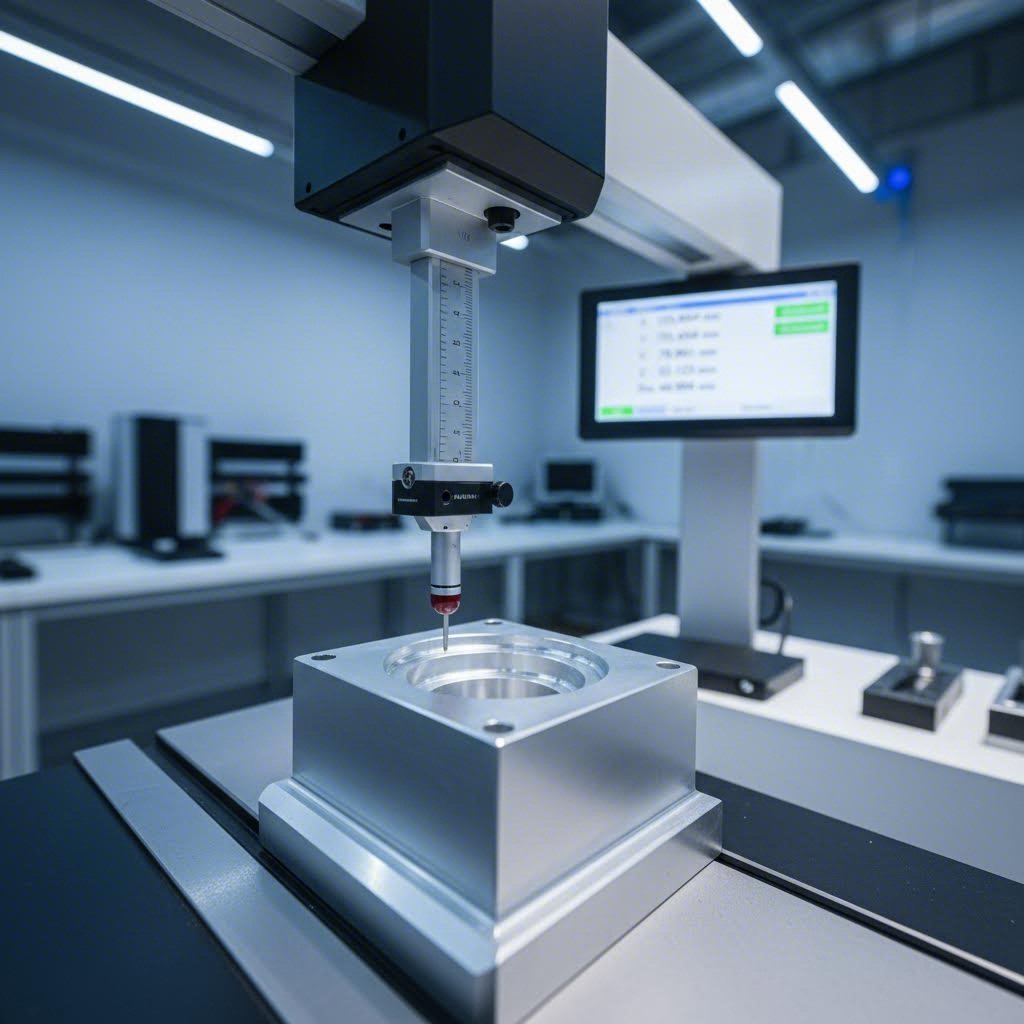
Certifications establish that quality systems exist. But what equipment does a supplier actually use to verify their extruded aluminum cnc parts meet specifications? The precision measuring instruments available in-house directly determine what tolerance levels they can reliably achieve and verify.
Look for these quality control capabilities when evaluating suppliers:
Suppliers who invest in comprehensive inspection equipment demonstrate commitment to quality that goes beyond paperwork. Ask to see their calibration records and understand their measurement capabilities relative to your tolerance requirements.
With quality standards and tolerance specifications clarified, your next consideration becomes understanding how different industries apply these requirements in practice—because aerospace, automotive, and architectural applications each prioritize very different supplier capabilities.
Imagine sourcing identical aluminum extrusion cnc components for two different customers—one building aircraft frames, the other designing storefront facades. Same material. Same machining processes. Completely different supplier requirements. Understanding these industry-specific demands transforms how you evaluate potential manufacturing partners and helps you identify suppliers truly equipped to serve your sector.
Each major industry has developed distinct priorities based on regulatory environments, performance demands, and failure consequences. A supplier excelling in architectural applications may struggle with aerospace traceability requirements. Conversely, an aerospace-focused manufacturer might be overkill—and overpriced—for construction projects. Let's break down what actually matters for each sector.
When components fly at 35,000 feet or protect military personnel, there's zero tolerance for ambiguity. Aerospace and defense applications represent the most demanding environment for aluminum extrusion cnc suppliers, with requirements that go far beyond standard manufacturing practices.
According to Sinoextrud's aerospace analysis, aluminum extrusions must meet strict global standards including AS9100 certification, AMS material specifications, and rigorous testing for strength, traceability, and consistency. Producers must control each stage—melting, extrusion, heat treatment, inspection—and maintain detailed records. Without complete documentation, parts simply cannot be used in certified aircraft.
Here are the critical considerations when evaluating suppliers for aerospace aluminum extrusion table applications and structural components:
Well-designed extruded aluminum components using proper alloys can pass vibration and fatigue testing for aerospace use, often outperforming many welded assemblies when profile geometry is optimized.
The automotive sector presents a different challenge: high-volume production with unwavering consistency. When you're manufacturing thousands of identical components monthly, supplier capabilities around capacity, repeatability, and cost efficiency take center stage.
According to Gabrian International's automotive overview, the automotive industry has made a major push to reduce vehicle weight, with aluminum increasingly replacing high-strength steel in body structures. This shift has dramatically expanded aluminum extrusion applications beyond traditional bumper systems and door beams.
When sourcing cnc alu profile components for automotive applications, prioritize these factors:
The range of automotive aluminum extrusion applications has grown substantially. According to Gabrian's documentation, current uses span roof rails, bumper systems, A-pillars, B-pillars, subframes, crash management systems, control arms, driveshafts, and electronics housings—each with distinct structural and aesthetic requirements.
Architectural aluminum extrusion projects flip the priority hierarchy. While structural integrity matters, aesthetic performance and long-term appearance often drive supplier selection decisions. A curtain wall system visible for decades demands different quality metrics than a hidden structural component.
According to Construction Specifier's analysis of architectural finishes, AAMA standards provide a hierarchy of coating performance—basic, high, and superior—allowing architects to match specifications to building type, location, and weather exposure.
Consider these critical factors for architectural and construction sourcing:
Electronics applications bring yet another set of priorities to supplier evaluation. Heat dissipation, dimensional precision for component mounting, and electromagnetic shielding requirements drive specifications that differ markedly from structural applications.
When sourcing aluminum extrusion cnc components for electronics enclosures and thermal management, focus on:
The pattern becomes clear: each industry prioritizes different aspects of supplier capability. Aerospace demands traceability and certification depth. Automotive requires volume capacity and cost efficiency. Architectural applications emphasize finishing expertise and aesthetic consistency. Electronics focuses on precision and thermal performance.
When you approach supplier evaluation with your specific industry requirements clearly defined, you'll ask better questions and recognize which manufacturers truly understand your sector's unique demands. A supplier's experience serving your industry—demonstrated through relevant certifications, reference projects, and technical knowledge—predicts success far better than generic capability claims.
Understanding these industry distinctions naturally raises the next question: should you seek a single integrated supplier who handles everything, or work with specialized partners who excel in specific capabilities?
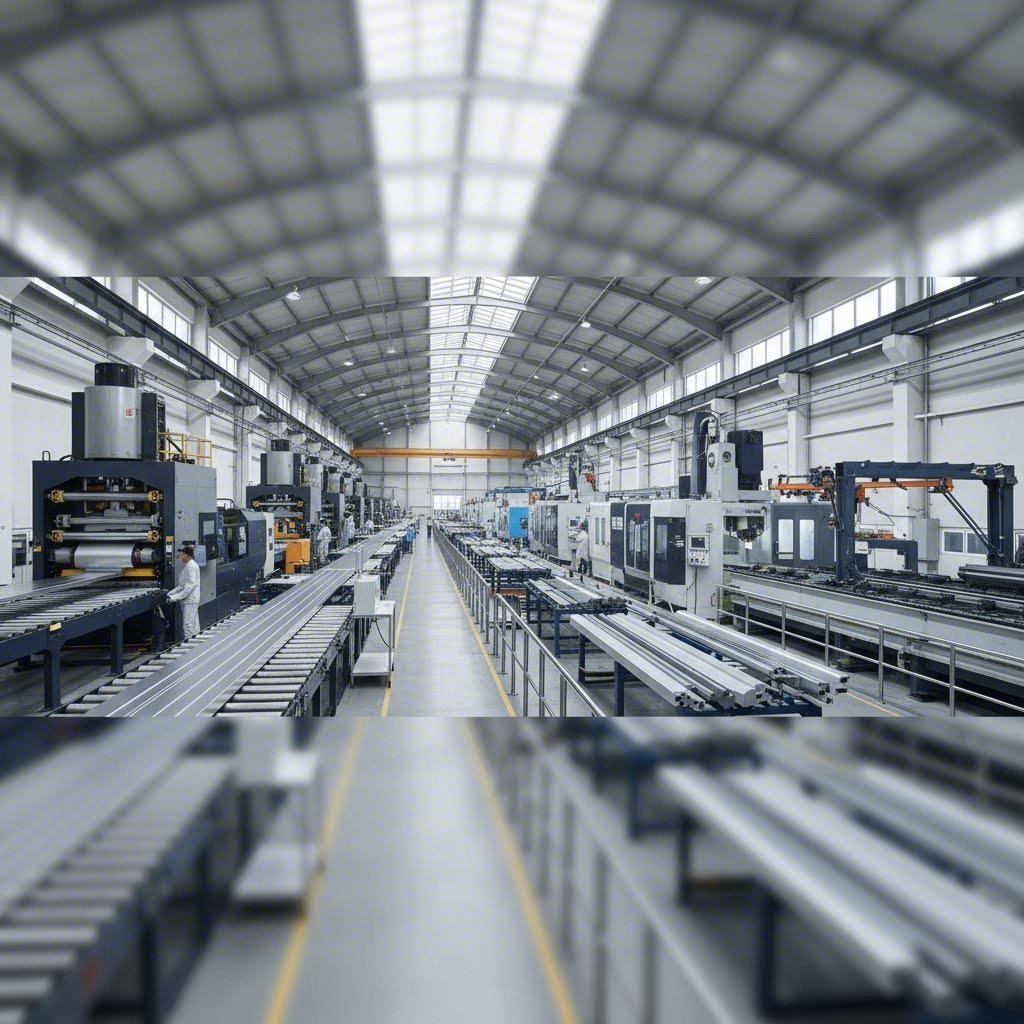
Here's a decision that keeps procurement managers up at night: should you consolidate everything with one aluminum extrusion supplier who handles the complete workflow, or build a network of specialized partners who each excel in their specific domain? There's no universal answer—but understanding the real trade-offs helps you make the right choice for your situation.
Think about managing a construction project where you need column covers formed, finished, and delivered on a tight deadline. Would you rather coordinate between a material distributor, a separate fabricator, and a third finishing company? Or work with a single partner who delivers completely finished products ready for installation? According to SAF's industry analysis, coordinating multiple vendors drastically prolongs processes—translating directly into additional time and money spent.
The integrated aluminum manufacturing model has gained significant traction for good reason. When extrusion, CNC machining, and surface treatment happen under one roof, several powerful advantages emerge.
Working with one organization means your team manages a single relationship to get completely finished products. You'll notice immediate improvements in project coordination when there's one point of contact who understands your complete requirements—from die design through final inspection.
Imagine a quality issue surfaces on your machined parts. With an integrated supplier, engineering, production, and quality teams sit in the same facility. Problem identification, root cause analysis, and corrective action happen in hours rather than weeks of back-and-forth between separate companies pointing fingers at each other.
Time is often the most critical factor in supplier selection. One-stop providers eliminate transit time between facilities and the scheduling conflicts that arise when coordinating multiple vendors' production queues.
Per SAF's experience, working with a one-stop shop means relying on a partner that has materials in stock with quick shipping guarantees, can fabricate aluminum to precise dimensions, and can anodize or paint components prior to job site delivery. This collapses timelines and streamlines the entire process.
Quality accountability becomes crystal clear with cnc aluminum machining services delivered by integrated providers. The same quality management system governs every production stage. Inspection standards remain consistent from raw billet through finished part. There's no risk that one vendor's quality expectations differ from another's.
According to Elemet Group's fabrication guide, single-source manufacturing simplifies project management, reduces lead times, and ensures consistent quality across all stages of production. By consolidating all manufacturing processes, single-source manufacturing minimizes the risk of errors and delays that occur when multiple vendors are involved.
Despite the compelling case for integrated manufacturing, specialized suppliers remain the right choice under specific circumstances. Sometimes you need world-class capability in one particular area more than you need convenience.
According to Elemet Group's analysis, a comprehensive metal fabrication shop excels not only in basic tasks but also in specialized services such as custom fabrication, precision laser cutting, and CNC machining. When your project demands capabilities that few integrated suppliers offer—ultra-tight tolerances, exotic alloys, or specialized certifications—seeking dedicated specialists becomes necessary.
Geography adds another dimension to your sourcing strategy. The calculus has shifted significantly in recent years, making this decision more nuanced than simple per-unit price comparisons.
According to Monarch Metal's sourcing analysis, the days of simply chasing the lowest quote are over. With regulatory enforcement, tariff considerations, and tighter import screening, the hidden costs of offshore supply are easier to underestimate than ever.
Even a small shift in freight time or tariff rate can change the math. An eight-week ocean cycle forcing two extra months of inventory at 18 percent annual carrying cost can erase a 5 to 8 percent price advantage overnight.
Cost discussions deserve honest treatment. The cheapest quote rarely delivers the lowest total cost—a lesson many buyers learn painfully through quality failures, delivery delays, or hidden fees.
According to Elemet Group's guidance, while it's tempting to go for the lowest bid, remember that cheaper isn't always better. High-quality metal fabrication requires skilled labor, advanced equipment, and premium materials, all of which come at a cost. However, investing in quality ensures the final product is durable, precise, and meets your specifications.
When evaluating cost factors, consider:
The best supplier relationships balance cost efficiency with reliability. Detailed quotations that clearly break down costs—per Elemet Group's recommendation—help you avoid hidden charges that surface unexpectedly during projects.
There's no one-size-fits-all answer. Many successful OEMs and fabricators now run hybrid models: domestic integrated suppliers for quick-turn and compliance-critical work, with offshore partners for steady high-volume programs where longer lead times are acceptable.
Your optimal approach depends on volume requirements, tolerance specifications, industry regulations, timeline pressures, and risk tolerance. The key is making that decision deliberately based on your specific circumstances—not defaulting to whoever offers the lowest quote.
With your supplier model clarified, the next consideration becomes equally important: how can you optimize your designs to reduce manufacturing costs and improve outcomes regardless of which supplier type you choose?
Here's a truth that catches many engineers off guard: the decisions you make during profile design can slash—or double—your CNC machining costs before a single chip is cut. Yet most buyers treat extrusion design and machining as separate conversations, missing opportunities that experienced aluminum extrusion design optimization reveals at every turn.
Think about it this way. Every feature you extrude into your profile is essentially free material shaping. Every feature you machine afterward costs time, tooling, and money. The goal? Push as much complexity as possible into the extrusion die while keeping profiles manufacturable. This balance is where smart design meets significant savings.
According to Alexandria Industries' analysis, there are several ways to mate extrusions without machining by designing attachment methods directly into the extrusion profile. These profile design options allow you to fully realize the benefits of the aluminum extrusion process while minimizing downstream operations.
When you're cnc machining aluminum profiles, every unnecessary operation adds cost. Here are proven strategies to reduce machining requirements through smarter upstream design:
Beyond attachment features, profile geometry itself dramatically impacts extrusion profile machining costs. As noted by Can Art Aluminum Extrusion, maintaining uniform wall thickness throughout your profile prevents warping, surface defects, and dimensional inaccuracies that create problems during machining. Variable walls cause uneven metal flow during extrusion—problems that CNC operations cannot fully correct.
Profile dimensions of aluminum extrusions are typically accurate within thousandths, allowing suppliers to hold close tolerances that minimize machining requirements on any extruded part's periphery.
Sounds straightforward, right? Yet most buyers contact suppliers only after designs are finalized—missing the window where collaboration delivers the greatest value. Early supplier involvement transforms outcomes in ways that late-stage optimization simply cannot match.
According to DeRegt's industry research, involving your supplier early in product development offers three key advantages: time savings, cost reduction, and design optimization opportunities. These benefits are highly intertwined—a knowledgeable supplier understands how they connect and helps you develop better solutions.
Depending on complexity, developing custom dies and getting production-ready can take several months to over a year. Understanding these timeline impacts early prevents the painful discovery that you need two or three times the weeks you assumed—delays that can seriously impact commercial availability or project execution.
When suppliers join the conversation after critical concept choices are locked, you miss opportunities to reduce overall costs. Involvement during the concept phase enables technical teams to advise on materials with optimal price-performance characteristics and identify the most efficient production methods.
Experienced suppliers spot design choices that create downstream problems. Per DeRegt's analysis, selecting correct materials not only saves costs but leads to improved product manufacturability, more efficient production processes, and ultimately better products. Design optimizations spanning power requirements, mechanical characteristics, and interface specifications all benefit from early expert input.
The most effective aluminum extrusion CNC suppliers offer end-to-end technical support spanning die development through mass production. When you engage their engineering teams during initial design, you're not just buying parts—you're accessing expertise that optimizes every production stage.
As Can Art emphasizes, great design starts with great collaboration. Combining engineering insight, material science, and real-world extrusion experience ensures every profile performs beautifully from concept through production—while keeping costs under control.
With your design optimized for manufacturing efficiency, you're ready to make the final supplier selection decision. The next section brings together everything covered—from workflow understanding through industry requirements—into a practical framework for choosing your aluminum extrusion CNC partner.

You've evaluated workflows, verified certifications, understood industry requirements, and optimized your designs. Now comes the moment of truth: translating all that knowledge into a confident aluminum extrusion supplier selection decision. The difference between buyers who succeed and those who struggle often comes down to having a structured framework for weighing competing priorities—and knowing when good enough beats perfect.
Think of this final stage as matching puzzle pieces. Your project has specific requirements across multiple dimensions. Each potential cnc aluminum parts manufacturer excels in certain areas while being merely adequate in others. The goal isn't finding a supplier who scores perfectly everywhere—it's identifying the partner whose strengths align most closely with what your project actually demands.
According to Kodiak Hub's vendor selection framework, the final selection should be based on the overall value offered, not just the lowest price. Consider long-term factors like support, upgrade paths, and the potential for partnership growth. This principle applies directly to custom aluminum extrusion services—where ongoing technical collaboration often matters more than saving a few percentage points on initial quotes.
Before making your decision, map your project requirements against supplier capabilities using weighted criteria. Not every factor deserves equal consideration. A medical device manufacturer might weight certifications at 30% while an architectural firm prioritizes surface finish consistency at 25%. Your specific priorities should drive your scoring approach.
| Decision Factor | What to Evaluate | Priority Guidance |
|---|---|---|
| Production Capacity | Number of extrusion presses, tonnage range, CNC machining centers available, current utilization rates | High priority for volume programs; verify capacity headroom for growth. Established suppliers like Shengxin Aluminium operate 35 extrusion presses ranging from 600T to 5500T, providing flexibility across project scales. |
| Quality Certifications | ISO 9001, AS9100D, IATF 16949, Nadcap accreditations relevant to your industry | Critical for regulated industries; verify certification currency and audit dates. Match certifications to your specific compliance requirements. |
| Surface Treatment Options | Anodizing (including custom colors), powder coating, PVDF, micro-arc oxidation, chemical treatments | Essential for architectural and consumer applications; evaluate color matching capability and finish consistency across batches. |
| Lead Time Performance | Die development timeline, extrusion lead time, CNC machining turnaround, total project duration | Weight heavily for time-sensitive projects; request documented on-time delivery rates over past 12 months. |
| Technical Support | Engineering team accessibility, DFM feedback quality, end-to-end project guidance from die development through mass production | Prioritize for complex or custom designs; evaluate responsiveness during quotation phase as indicator of ongoing support. |
| CNC Machining Precision | Equipment specifications, achievable tolerances, in-house inspection capabilities including CMM | Critical when tight tolerances drive functional requirements; verify capability matches your specification needs. |
| Pricing Structure | Factory-direct pricing transparency, die amortization approach, volume discount tiers, payment terms | Important but not dominant; focus on total cost of ownership including quality costs and timeline impacts. |
| Integration Level | In-house extrusion, machining, and finishing versus outsourced operations; single-source accountability | Higher priority for complex projects requiring coordination; reduces communication overhead and quality variability. |
Here's how this works in practice. Assign percentage weights to each factor based on your project priorities—the total should equal 100%. Then score each finalist supplier on a 1-10 scale for each criterion. Multiply scores by weights and sum for total weighted scores.
This structured approach per Kodiak Hub's methodology makes the decision process more objective and transparent. Document the rationale behind scores to support the decision and provide feedback to vendors if requested.
Selecting a supplier is just the beginning. The real value emerges when transactional relationships evolve into genuine manufacturing partnerships. According to TrustBridge's partnership research, trust and transparency form the foundation of successful manufacturing relationships—with consistent quality, reliability, and flexibility determining long-term success.
What separates a vendor from a partner? Partners invest in understanding your business goals beyond individual purchase orders. They proactively suggest improvements, communicate challenges before they become crises, and demonstrate flexibility when your requirements evolve.
Per TrustBridge's analysis, building trust requires clear and honest communication, following through on commitments, and offering transparency through real-time project updates. Look for suppliers who provide customer dashboards or regular status reports—visibility into production status prevents surprises and builds confidence.
Consistency matters more than occasional excellence. According to TrustBridge's research, clients need assurance that parts will be delivered on time and meet exact specifications every time. Suppliers demonstrating rigorous quality control, backup plans for disruptions, and responsiveness to feedback build the reliability that sustains long-term partnerships.
When evaluating partnership potential, consider suppliers offering:
Your requirements will change. Product designs evolve. Volumes fluctuate. Timelines compress unexpectedly. The right partner adapts with you rather than rigidly enforcing original terms.
Per TrustBridge's guidance, manufacturers who invest in modular equipment, maintain capacity for urgent orders, and proactively identify bottlenecks become invaluable partners. These capabilities—quick turnaround options, scalable production lines, data-driven capacity planning—distinguish suppliers who grow with your business.
You've absorbed a comprehensive framework for evaluating aluminum extrusion CNC suppliers. Now translate that knowledge into action with these concrete steps:
The best vendor relationships evolve into true partnerships where both companies benefit from each other's expertise.
Whether you're sourcing precision aerospace components requiring complete traceability, high-volume automotive parts demanding consistent quality, or architectural profiles where surface finish excellence defines success—the framework remains consistent. Understand your requirements. Evaluate capabilities systematically. Verify claims with evidence. Build relationships that create mutual value.
Established manufacturers like Shengxin Aluminium exemplify the integrated capabilities this framework prioritizes: over 30 years of industry experience, comprehensive extrusion capacity across 35 presses, state-of-the-art CNC machining centers for precise cutting, drilling, and bending, plus extensive surface treatment options including custom color anodizing, powder coating, PVDF, and micro-arc oxidation. Their technical team approach—providing end-to-end support from die development through mass production with factory-direct pricing—demonstrates what effective aluminum extrusion CNC partnerships look like in practice.
The suppliers you choose today become the manufacturing foundation you build upon tomorrow. Take the time to choose wisely.
Integrated suppliers handle extrusion, CNC machining, and surface treatment under one roof, providing single-point accountability and faster lead times. Secondary processing providers purchase pre-made extrusions and add value through CNC operations only. Integrated partners like Shengxin Aluminium offer complete control over quality from raw billet to finished part, reducing coordination issues and finger-pointing between vendors when problems arise.
The required certifications depend on your industry. ISO 9001:2015 is the baseline for any serious supplier. Aerospace applications require AS9100D certification with complete material traceability. Automotive projects need IATF 16949:2016 for defect prevention and supply chain management. For specialized processes like surface treatments or heat treatment, Nadcap accreditation provides the highest validation level. Always verify certification currency and recent audit dates.
Lead times vary by supplier type and project complexity. Domestic suppliers typically deliver die development and production in 3-8 weeks, with repeat orders as quick as 2 weeks. International suppliers add 32-52 days for ocean freight before customs and local delivery. Integrated manufacturers often achieve faster turnaround by eliminating transit between separate extrusion and machining facilities. Request documented on-time delivery rates when evaluating suppliers.
Standard machining typically achieves ±0.127mm (±0.005"), while tight tolerance CNC machining can reach ±0.0025mm (±0.0001") or tighter. ISO 2768 defines general tolerances with Fine (±0.05-0.15mm) and Medium (±0.1-0.3mm) classes. For precision fits, ISO 286 grades IT6 through IT8 are common. Tighter tolerances significantly increase costs, so specify them only where function demands. Verify suppliers have CMM equipment capable of measuring your required specifications.
One-stop integrated suppliers offer streamlined communication, reduced lead times, and consistent quality control—ideal for most projects requiring coordination across extrusion, machining, and finishing. Specialized partners make sense when you need extreme precision beyond standard capabilities, unique certifications like Nadcap for specific operations, or very high volumes justifying dedicated specialists. Many successful buyers use hybrid models with domestic integrated suppliers for quick-turn work and overseas partners for steady high-volume programs.



 Onlineservice
 0086 136 3563 2360
 sales@sxalu.com
 +86 136 3563 2360
 Deutsch
 English
 français
 русский
 español
 português
 العربية
 ไทย
ไทย Việt
Việt Українська